Potential immune therapy for lymphoma revealed
Accounting for around 20 per cent of lymphoma cases, follicular lymphoma is a slow-growing, common subtype of lymphoma.
While three-quarters of patients with the disease respond well to conventional treatment, around 25 per cent respond less well to treatment and have poor outcomes. It is difficult to determine which patients will be among those with poor outcome, and how best to treat them.
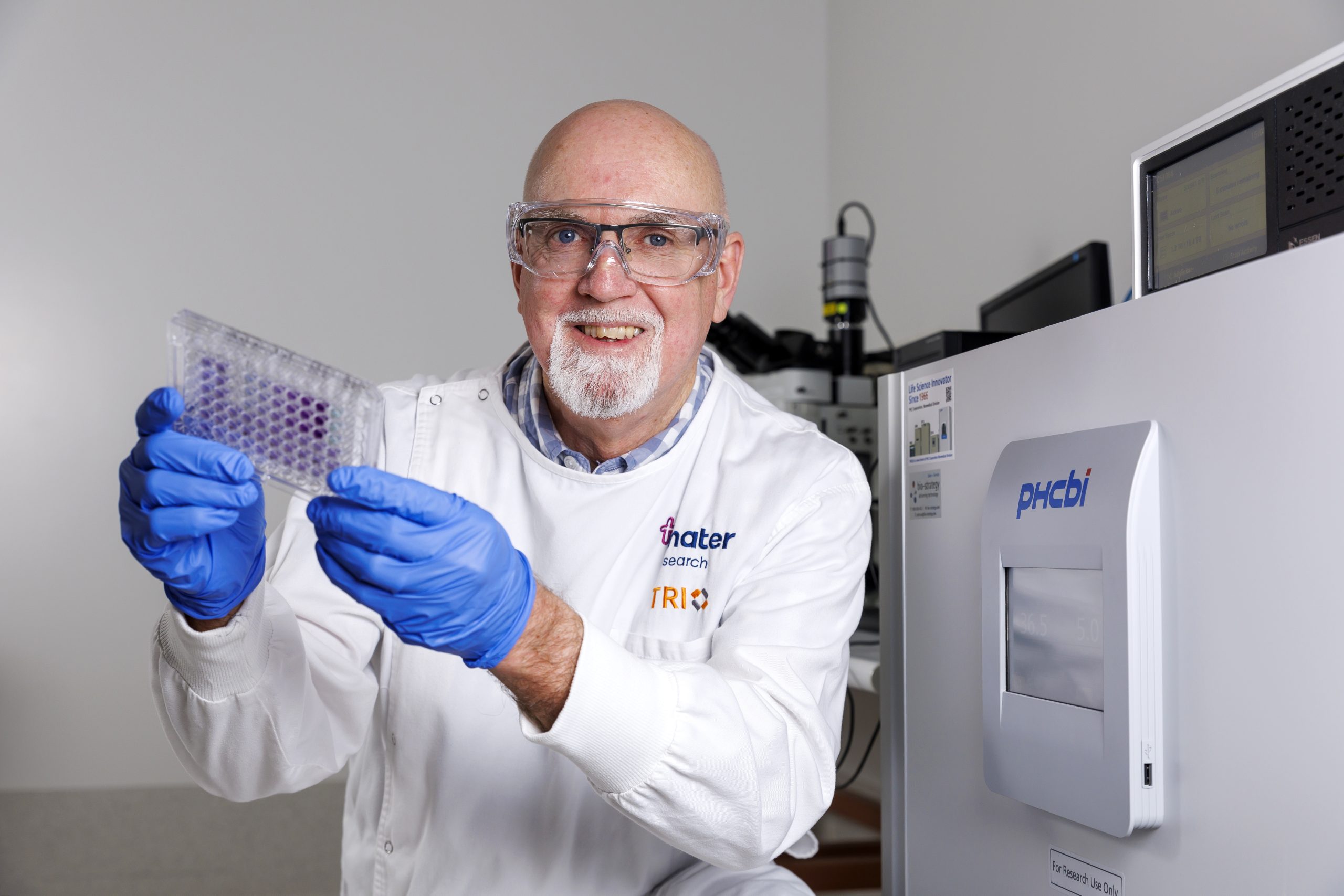
In the published findings, investigators from the Blood Cancer Research Group at Mater Research, based at TRI, report findings from a large series of patients with follicular lymphoma in Brisbane. In one of the largest studies of its kind, they were able to confirm their results in large cohorts drawn from Canada and Germany.
“We have shown that patient outcome was linked to the intensity of immune cell infiltration within the lymphoma-affected node. In short, patients with an immune ‘hot’ node did much better that those with an immune ‘cold’ node.”
“These results suggest that appropriate immune based therapies may be effective in selected patients with this disease,” explains Professor Gandhi.
“For patients with follicular lymphoma, these findings may help us to select more effective treatments, based on the extent of immune cell infiltration within their cancerous lymph nodes. With more effective treatments, we may be able to improve outcomes for these patients,” adds Professor Gandhi.
Collaborators on the study included researchers from The University of Queensland, Princess Alexandra Hospital, the BC Cancer Agency and the University of Munich. It was supported by the NHMRC and the Leukaemia Foundation of Australia.
The published paper:
Joshua WD Tobin et al., Progression of Disease Within 24 Months in Follicular Lymphoma Is Associated With Reduced Intratumoral Immune Infiltration. JCO 37, 3300-3309(2019).
DOI: 10.1200/JCO.18.02365