Login
Contact

Explore

Explore

About
  • People and Partners
  • TRI Building
  • Reconciliation Action Plan
  • Strategic Plan
  • TRI Foundation
  • Careers
Research
  • Collaborate
  • Discovery
  • Translate
  • Engage
  • Research Areas
Clinical
  • Translational Trials
  • Clinical Research Facility
  • TRI at Children’s
Industry
  • TRI Incubator
  • The Precinct
  • Residents
Manufacture
  • New cGMP Facility
Facilities
  • Cleanroom
  • Flow Cytometry
  • Histology
  • Microscopy
  • Proteomics
  • Preclinical Imaging
  • Biological Research
  • Gnotobiotics
  • Human Immune Model
Get Involved
  • Health Consumers
  • SPARQ-ed
Resources
  • News
  • Events
  • Case Studies
  • Grants and Funding
  • Education and Training
+61 7 3443 7000info@tri.edu.au37 Kent Street, Woolloongabba QLD 4102 Australia

Acknowledgement of Country

TRI acknowledges the traditional custodians of the land we are on today, the Turrbal and Jagera people and we recognise their continuing connection to land, waters and community. We pay deep respect to them and their cultures; and to Elders past, present and emerging.

© Translational Research Institute Pty Ltd atf the Translational Research Institute Trust|ABN: 58 155 991 662
Privacy policy|Terms of Use|Contact Us
TRI · Research · Translate

Translate

ResearchCollaborateDiscoveryTranslateEngageHealth ConsumersResearch Areas

What is Translational Research?

Also known as “bench to bedside” research, translational research aims to convert basic science discoveries into outcomes that directly benefit humans. The best outcomes are achieved through collaboration between multidisciplinary groups to fast track the translation of ideas into better medical products.

The Translational Research Institute (TRI) is unique in Australia, and a world-leader in bench to bedside medical research. At TRI, our mission is to improve and expedite the translation of innovative research into clinical practice.

Leading the way in translational outcomes

World-class facilities

Supported by resources and expertise

Connections to clinic

Access to clinicians, clinical trial facilities and expertise

Education and training

Supported by resources and expertise

Sector support

Industry, government and other funding bodies

“Researchers, clinicians and industry are attracted to conducting research and undertaking clinical trials at TRI not just because of our world class facilities and expertise, but also the outstanding support structure we have built. Our ecosystem enables seamless connection to clinic, with patients from the Princess Alexandra Hospital and Queensland Children’s Hospital, supporting true bench to bedside collaboration. Such access is vital to fast-track health outcomes.”

Associate Professor Helen Benham

Executive Director, Translation

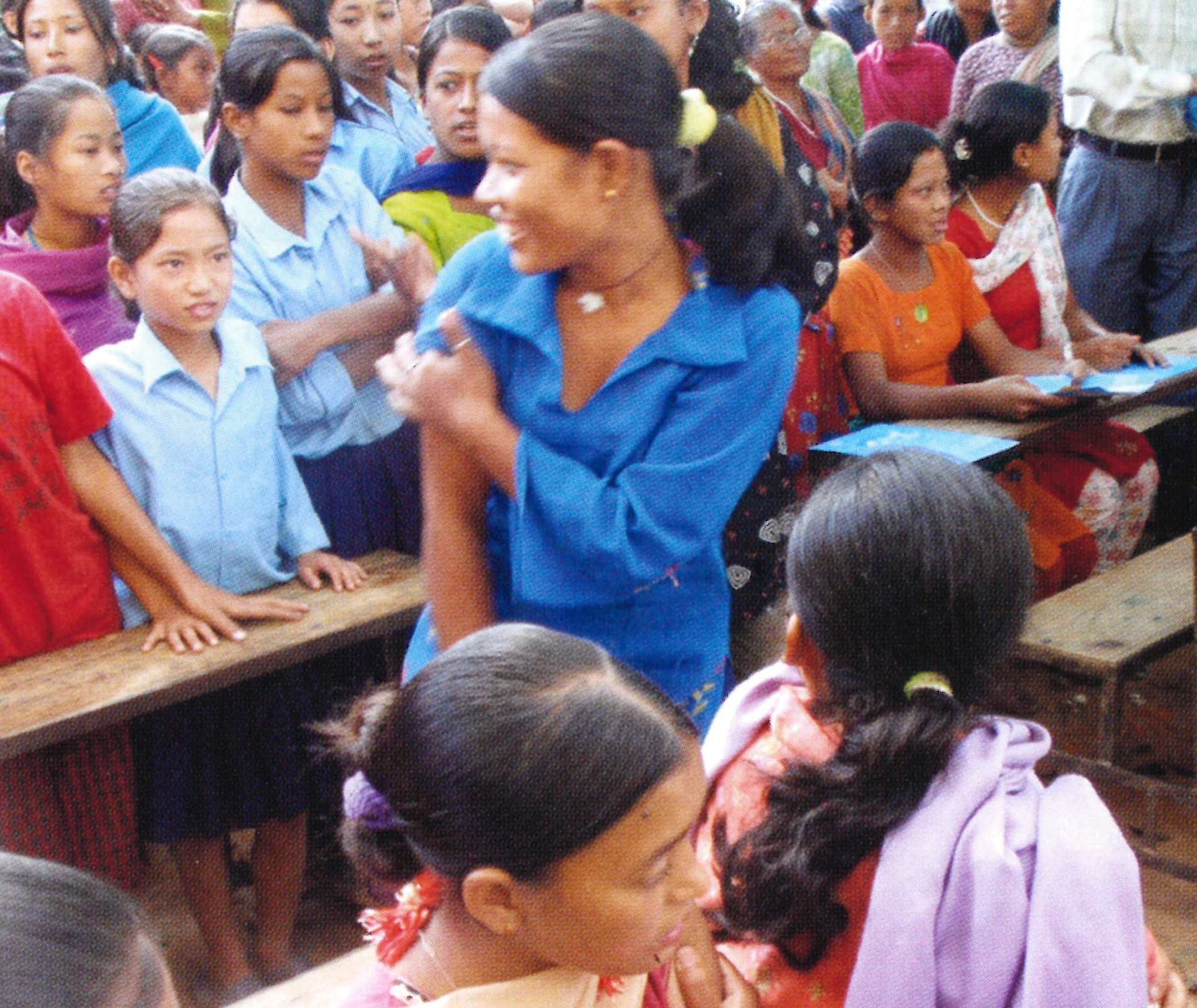
Gardasil HPV Cervical Cancer Vaccine
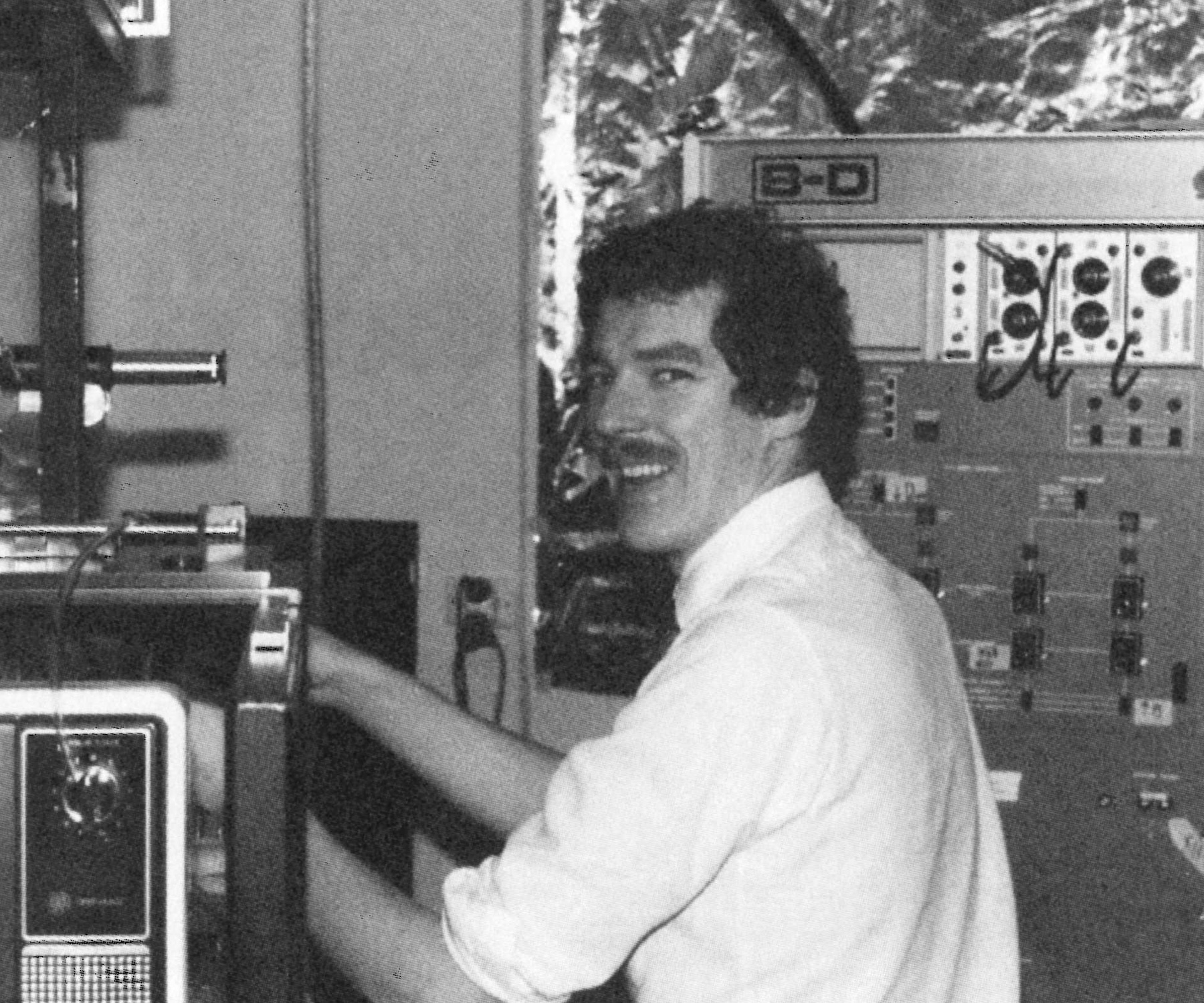
1985

Clinical Immunologist and researcher Professor Ian Fraser arrived in Brisbane and set about establishing The University of Queensland’s Centre for Immunology and Cancer Research, based at the Princess Alexandra Hospital.

1989

Professor Frazer was one of the first scientists  to study the link between HPV infections and cervical cancer. A chance meeting with molecular virologist, the late Dr Jian Zhou while on sabbatical at Cambridge University in 1989 would lead to a lifesaving discovery.
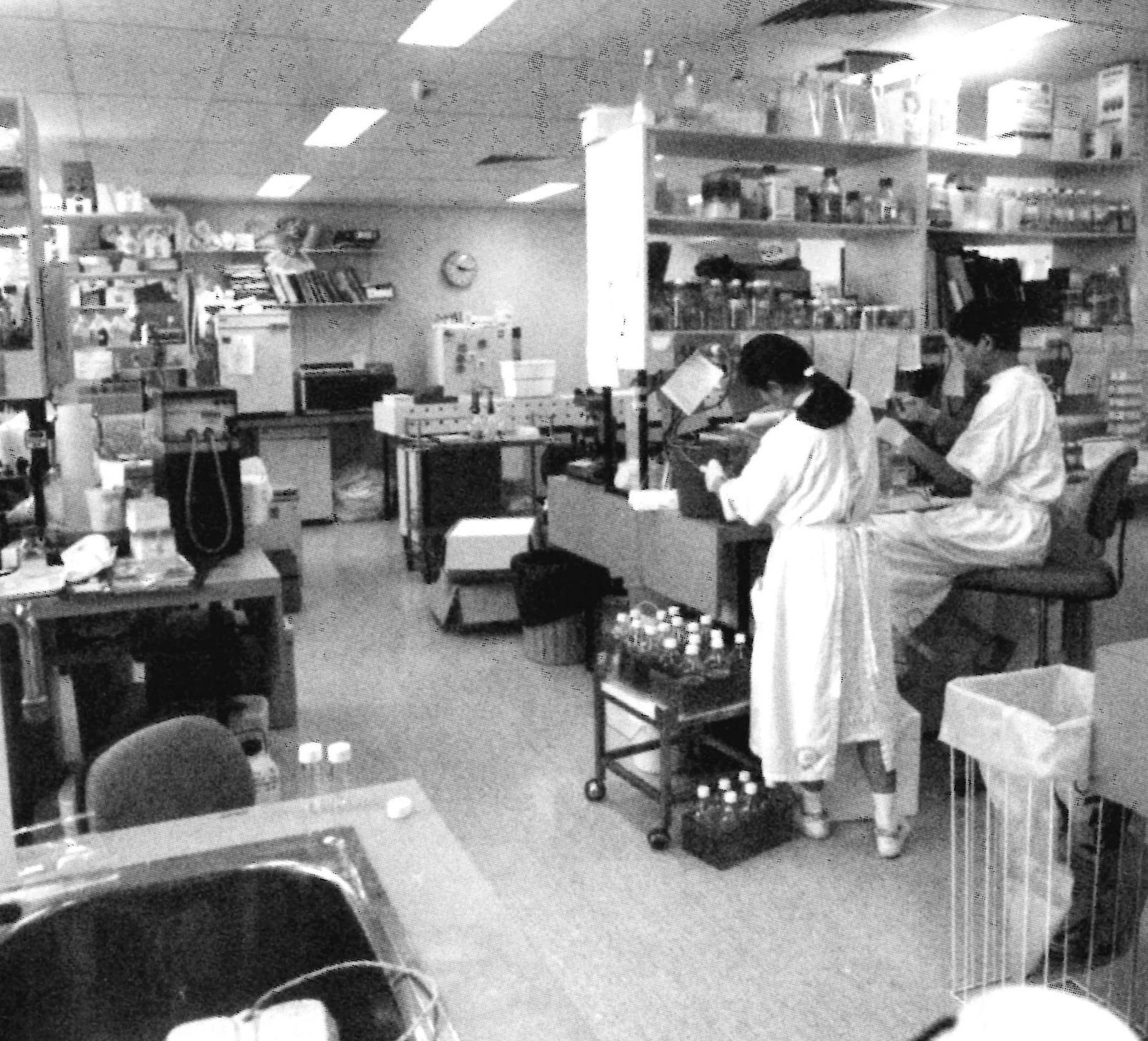
1991

Dr Zhou and his research assistant wife, Dr Xiao-Yi Sun, joined Professor Frazer’s UQ lab, experimenting with assembling two proteins to create a virus-like particle resembling the HPV shell.  When introduced into the human body, the particles simulated an immunological response that formed the basis of the vaccine.
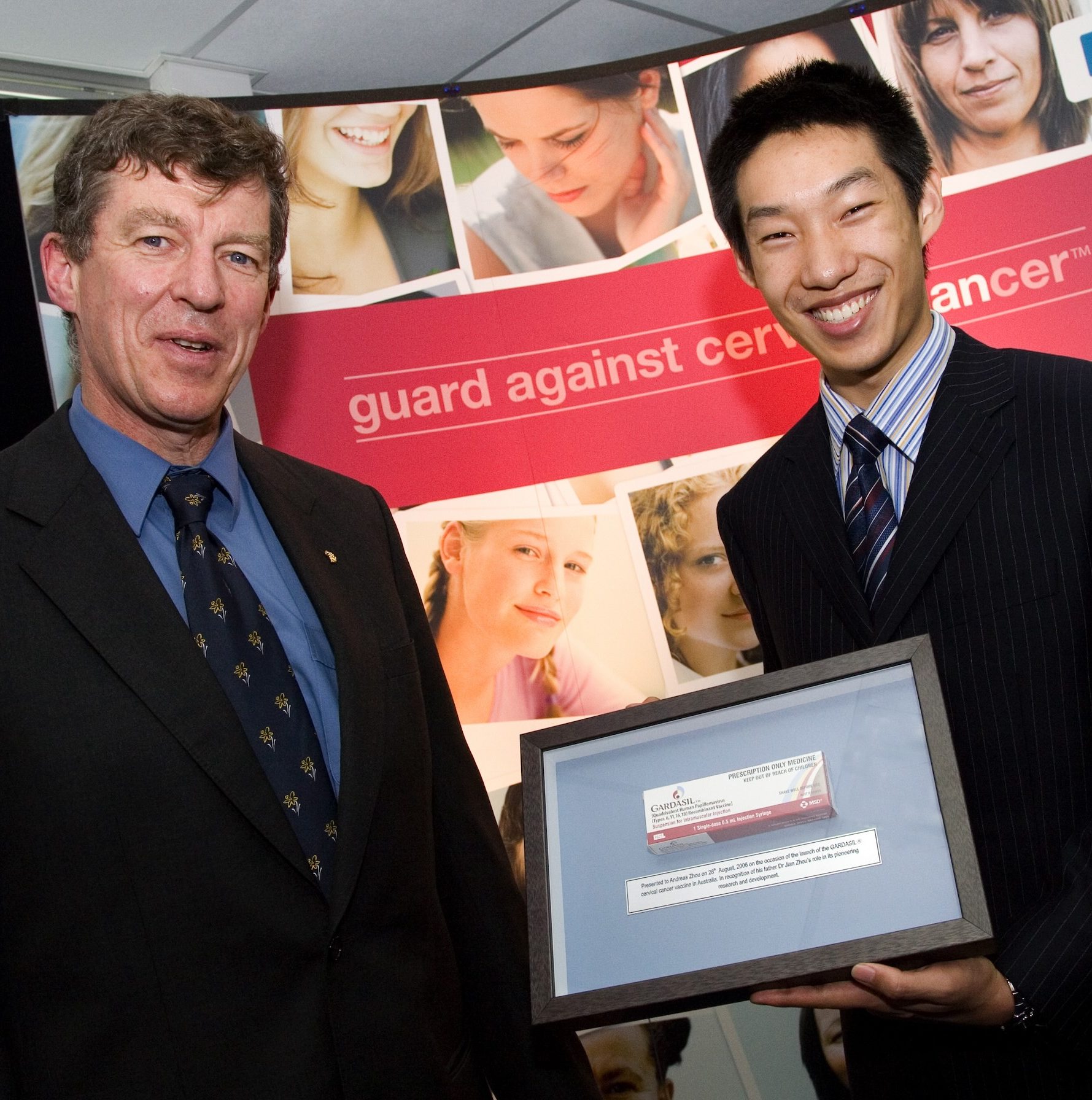
1992

A complete patent application on the HPV technology was submitted and in 1995 Frazer and Zhou licenced the technology through CSL to US pharmaceutical company Merck & Co, who used it to develop a vaccine, now sold as Gardasil.
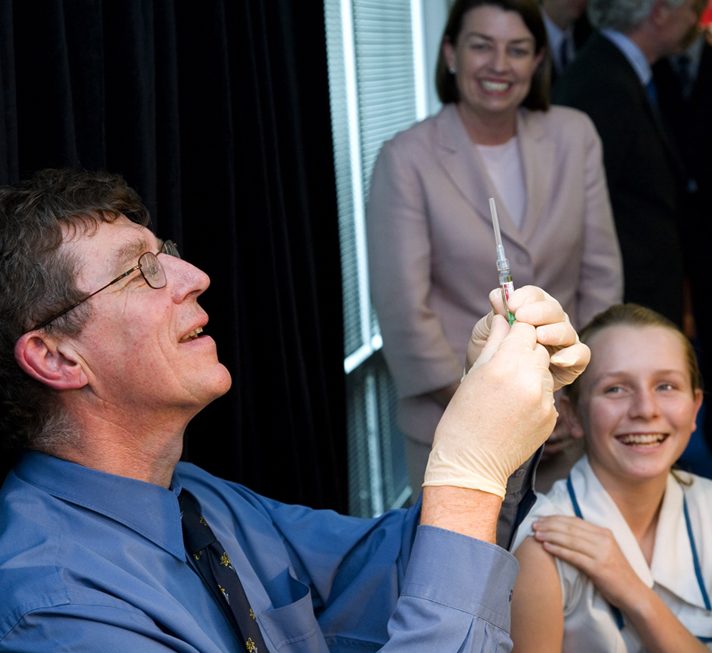
2006

The HPV vaccine (Gardasil 9) now protects against around 90 per cent of cervical cancers, and also provides protection against most of the genital cancers in men caused by HPV infection.
Today

Over 270 million doses of Gardasil have reached over 130 countries. 

Tomorrow

Gardasil9 protects against nine strains of Human Pampiloma Virus giving 90% protection against cervical cancer.

translational research

TM@TRI

Our new Translational Manufacturing facility due to open in 2026 will enable exciting medical advances to reach maturity while keeping manufacturing on Australian shores.

A unique model globally, this facility will attract a range of innovators, from those developing lifesaving vaccines to new medical devices, capable of transforming health outcomes for patients.

translational research

TM@TRI

Our new Translational Manufacturing facility due to open in 2026 will enable exciting medical advances to reach maturity while keeping manufacturing on Australian shores.

A unique model globally, this facility will attract a range of innovators, from those developing lifesaving vaccines to new medical devices, capable of transforming health outcomes for patients.

translational research

Industry

With 1200 sqm of TRI space licensed to biomed startup and commercial organisations, these companies are able to utilise sophisticated and specialised core facilities, including good manufacturing practice (GMP) cleanrooms.

Housing their business at TRI gives them access to translational researchers and clinical trial facilities within a tertiary and academic health precinct.
translational research

Industry

With 1200 sqm of TRI space licensed to biomed startup and commercial organisations, these companies are able to utilise sophisticated and specialised core facilities, including good manufacturing practice (GMP) cleanrooms.

Housing their business at TRI gives them access to translational researchers and clinical trial facilities within a tertiary and academic health precinct.

translational research

Translational Trials

TRI’s Translational Trials team provides clinical trial support services to help turn research discoveries into new treatments, interventions, diagnostic tools and screening methods for better patient outcomes.

translational research

Translational Trials

TRI’s Translational Trials team provides clinical trial support services to help turn research discoveries into new treatments, interventions, diagnostic tools and screening methods for better patient outcomes.

Translational Research

ACCISS Australia

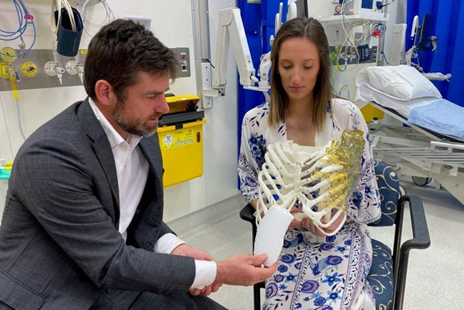
Bringing surgical expertise & clinically applied digital innovations together to solve complicated surgical cases.

ACCISS is leading the way in revolutionary surgical expertise and technology by using 3D printing, virtual and augmented reality technologies to improve clinical outcomes and collaborating with healthcare providers and academic partners to develop and test new medical device technology.

Recent breakthroughs:

  • Performed revolutionary surgery using world-first 3D technology to create a 3D printed chest scaffold to be implanted into a patient with a birth defect known as funnel chest which affects heart and lung function. The scaffold concealed the deformity while protecting the patients organs, resulting in a life-changing outcome.


  • Used 3D printed scaffolds to replace missing bone as a result of a bone infection in a patient’s shin which would traditionally require above the knee amputation. The bioresorbable implants successfully promoted the support and regrowth of natural bone, and dissolved after integrating into the patient’s own tissues.


Help translate research that will prevent, diagnose and cure disease.

Help translate research that will prevent, diagnose and cure disease.