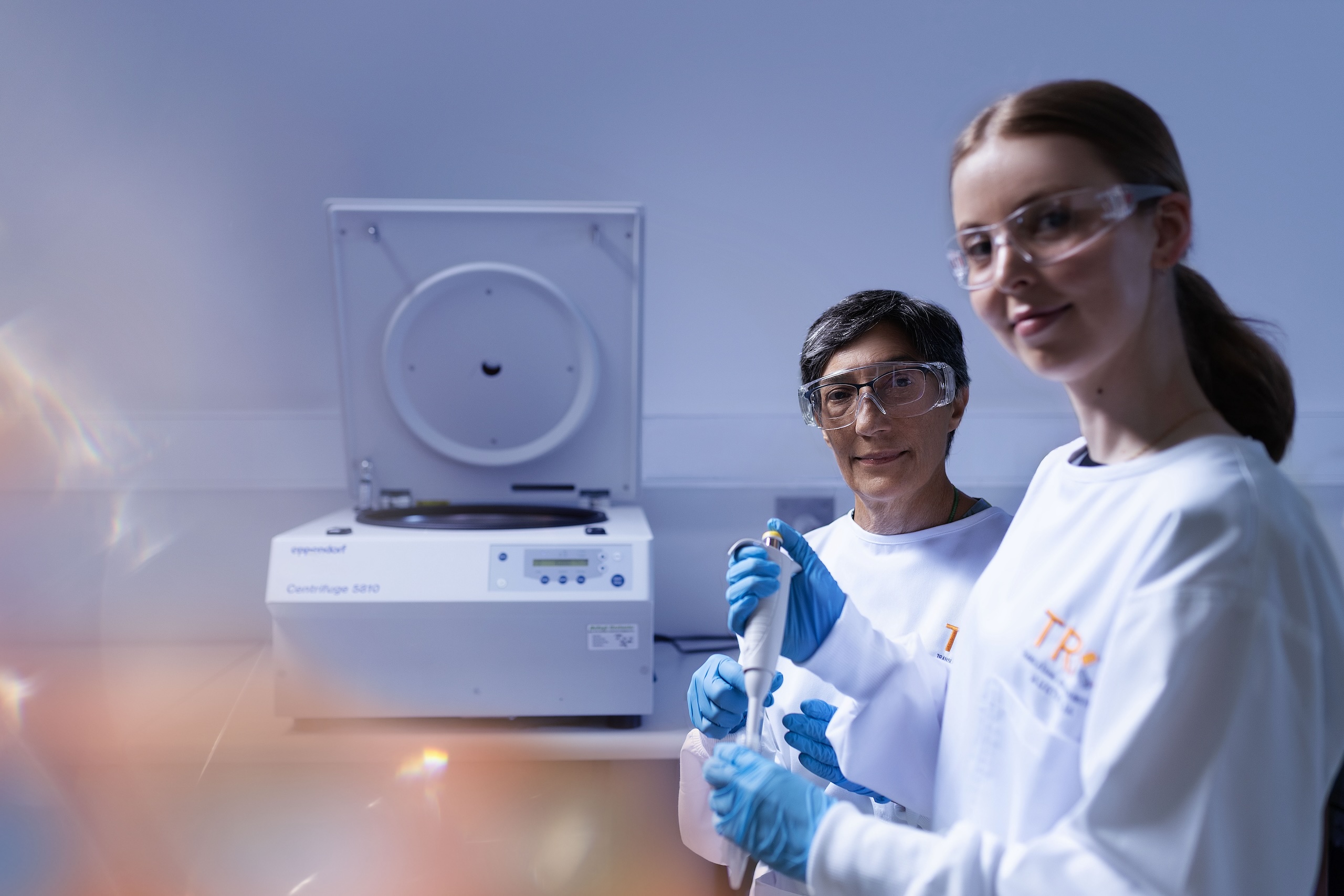
At the Bench
Epithelial cells and the immune system
Understanding how the body deals with infections, viruses and parasites requires study of important immune cells found in many parts of the body. Epithelial cells are found in abundance in the linings of the gut and lungs and play a key role as frontline responders, sending signals triggering specific immune responses to invading pathogens.
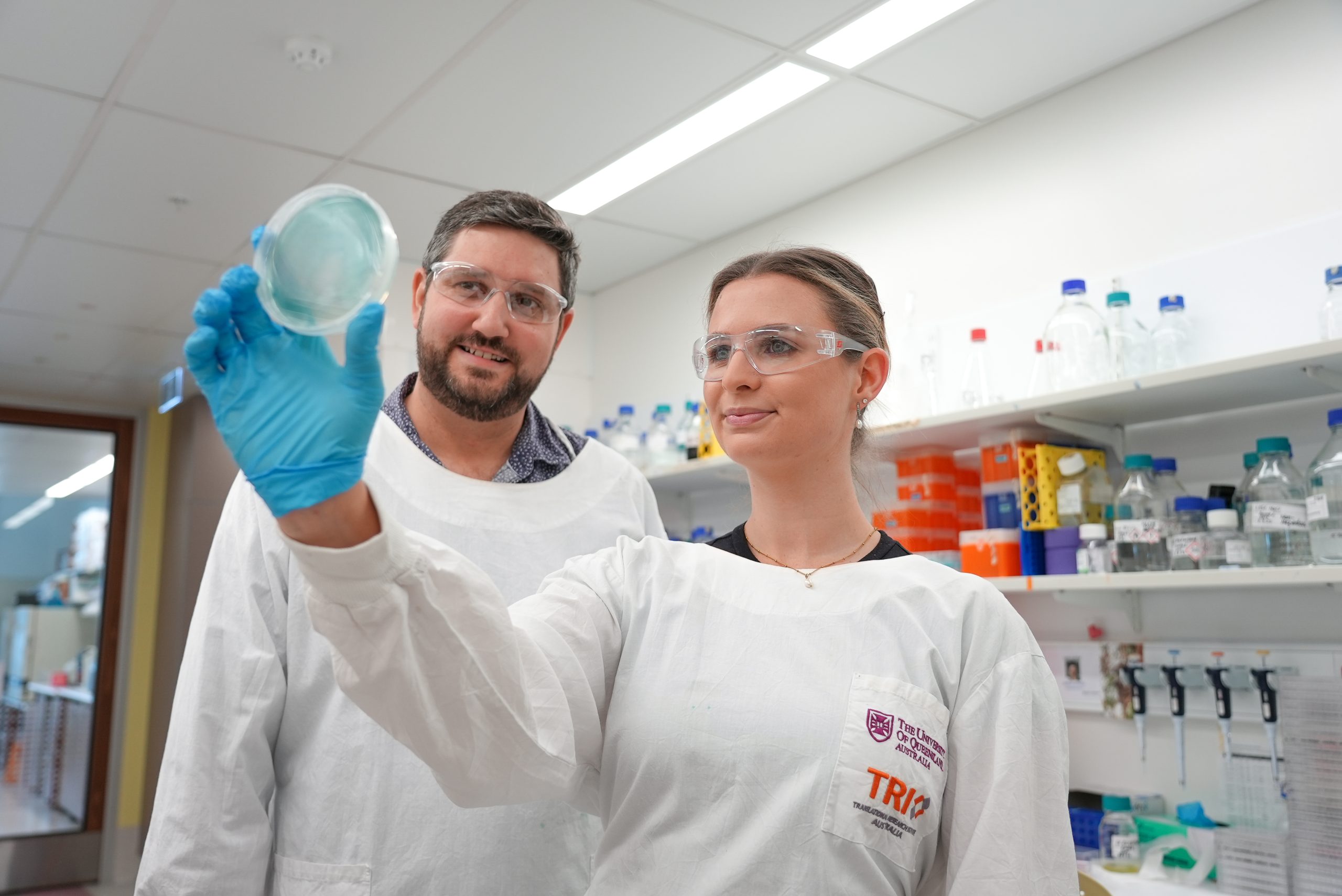
Professor Gabrielle Belz from The University of Queensland (UQ) leads a team based at TRI focused on understanding how these cells trigger immune responses. Her research has enabled tracking of virus-specific T cells in the immune system, and ultimately aims to contribute to developing vaccines for infectious disease and better treatments for autoimmune diseases.