Major genetic study into osteoporosis
Half of all women over 50 will have an osteoporosis-related bone fracture and a quarter of those with a hip fracture are likely to die within six months.
The National Health and Medical Research Council today announced that it is awarding more than $1.58m to Mater Research to conduct the largest genetic association study of bone mineral density on hundreds of thousands of people.
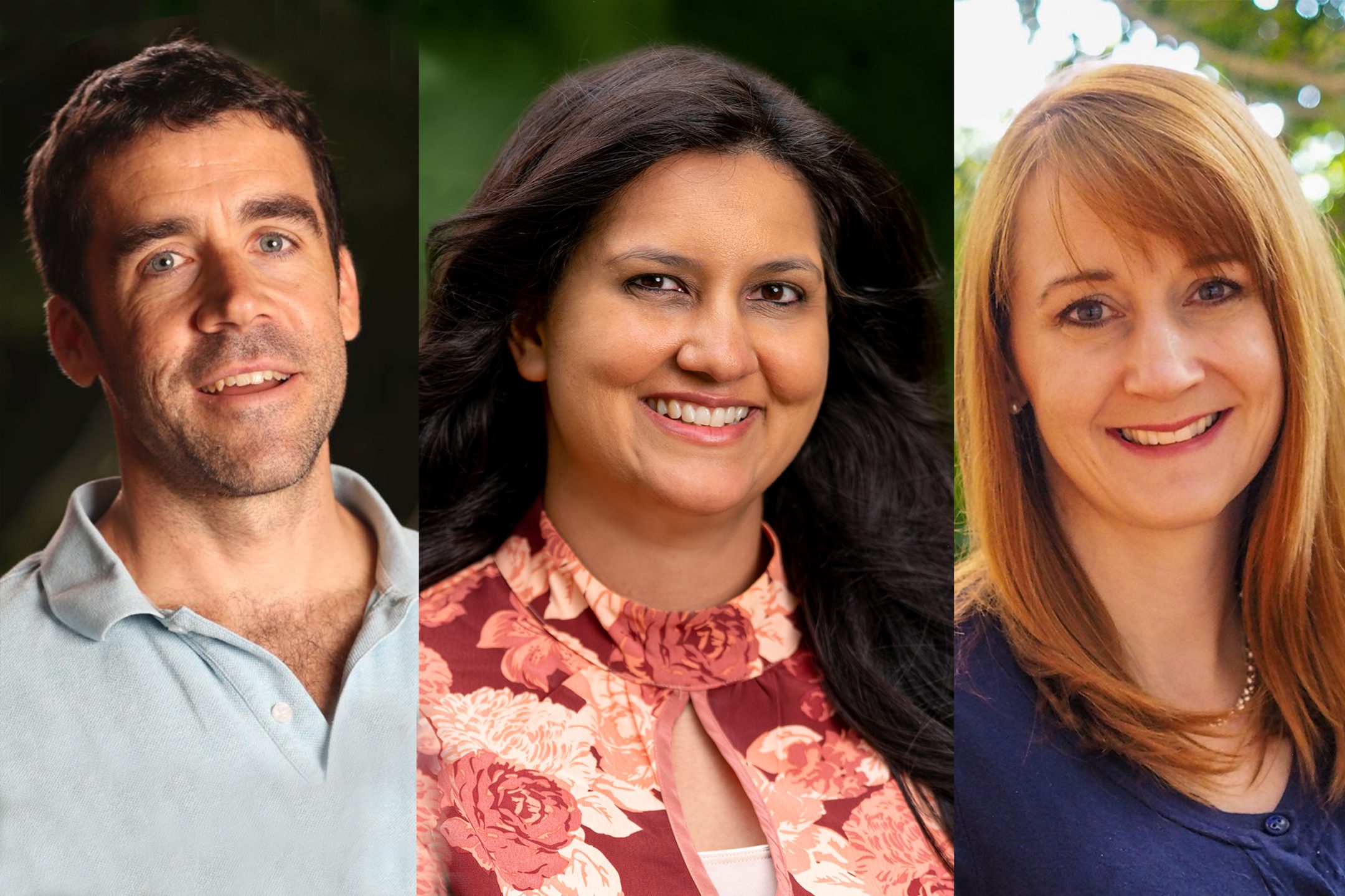
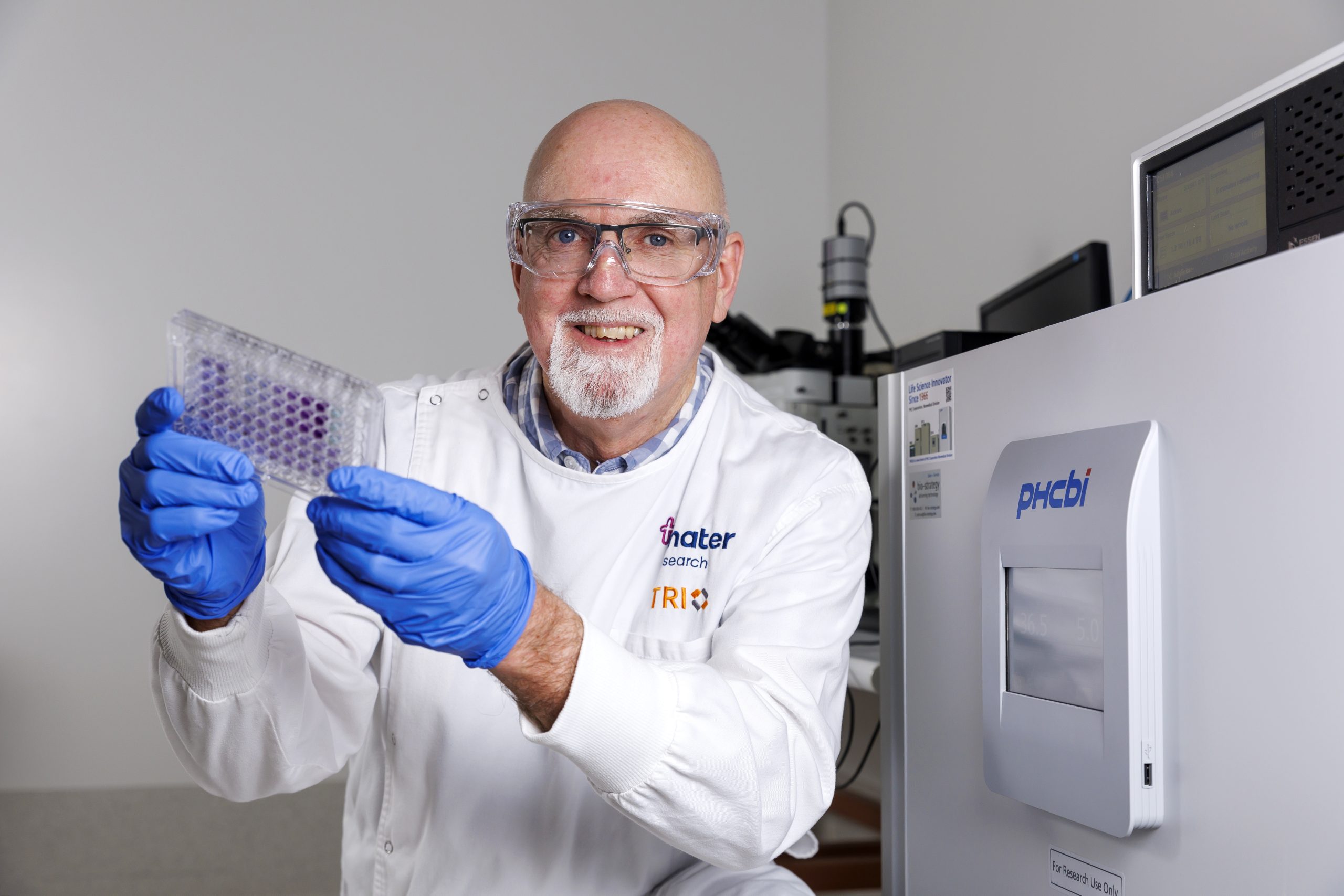
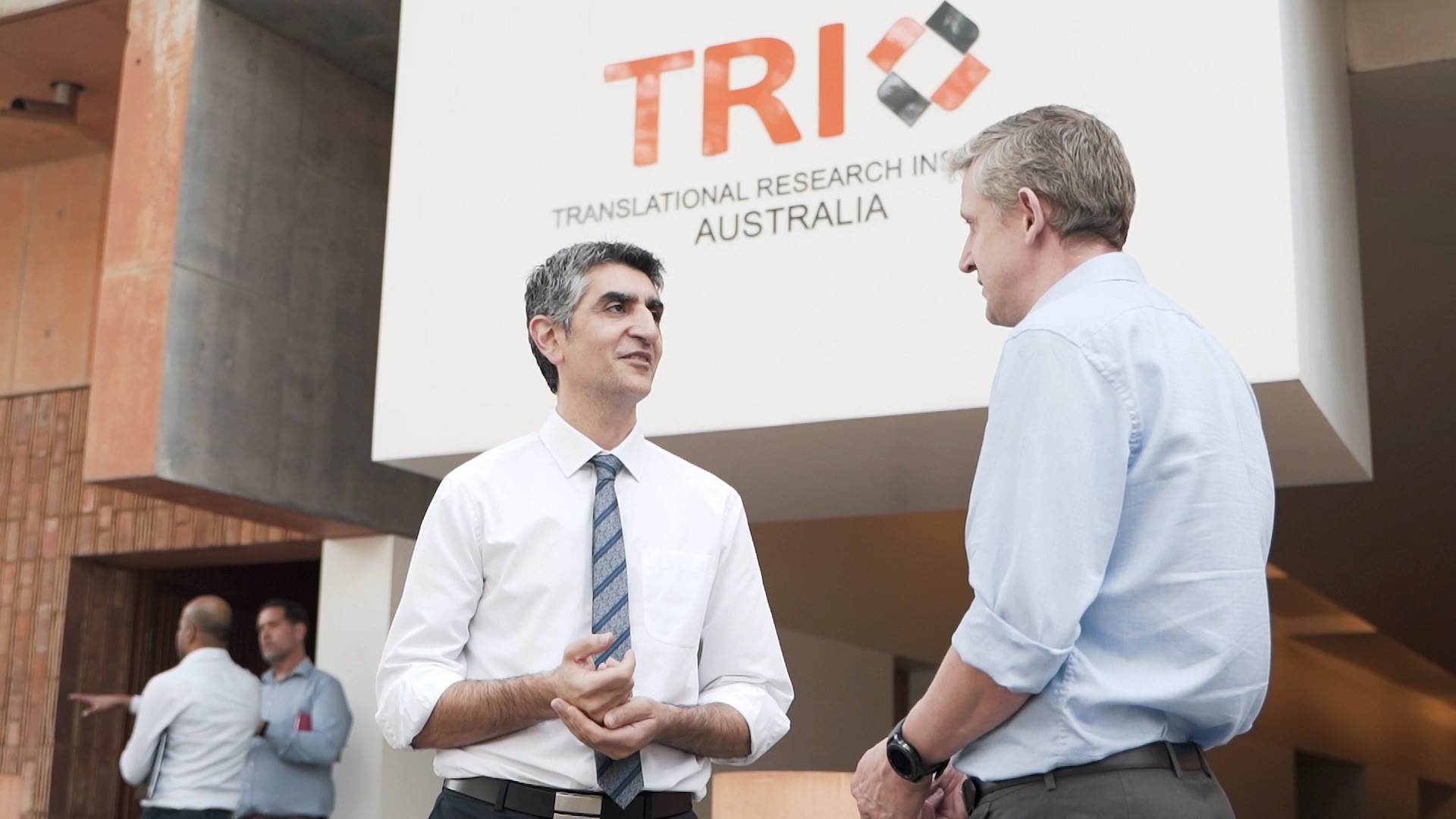
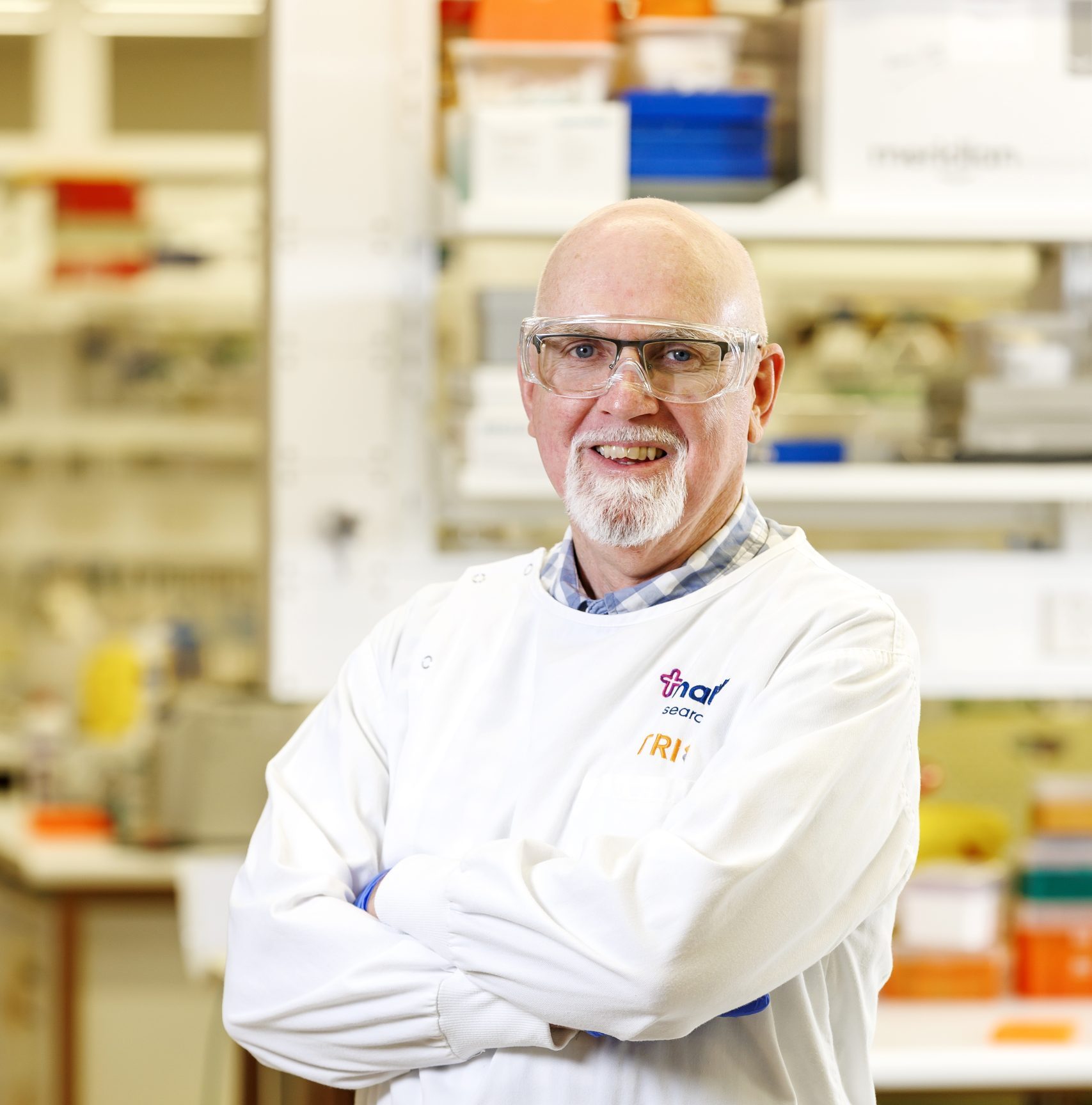
TRI-based Dr John Kemp, Mater Research’s Musculoskeletal Genomics Group Leader, said medicines used to treat osteoporosis can slow bone loss, and in some cases partially restore lost bone. However, a cure for osteoporosis has not yet been found.
“Osteoporosis remains a major health burden for society and considerable scope exists to identify and develop new therapeutics that can restore lost bone.”
“Development of new therapeutics for osteoporosis has been hampered by a limited understanding of the genes that control bone, as well as the different cell types in which they function.
“Our study is likely to identify cellular and genetic mechanisms that control bone, and prioritise those that can be targeted by new therapeutics to restore the structural integrity of bone.”
Dr Kemp’s team will also develop a web-based platform that will allow the international research community to explore their data.
“Knowledge sharing is key to accelerating the development of new therapeutics for osteoporosis,” Dr Kemp said.
The NHMRC has also confirmed funding for two other major Mater Research projects:
Paediatric Non-Alcoholic Fatty Liver Disease (NAFLD)
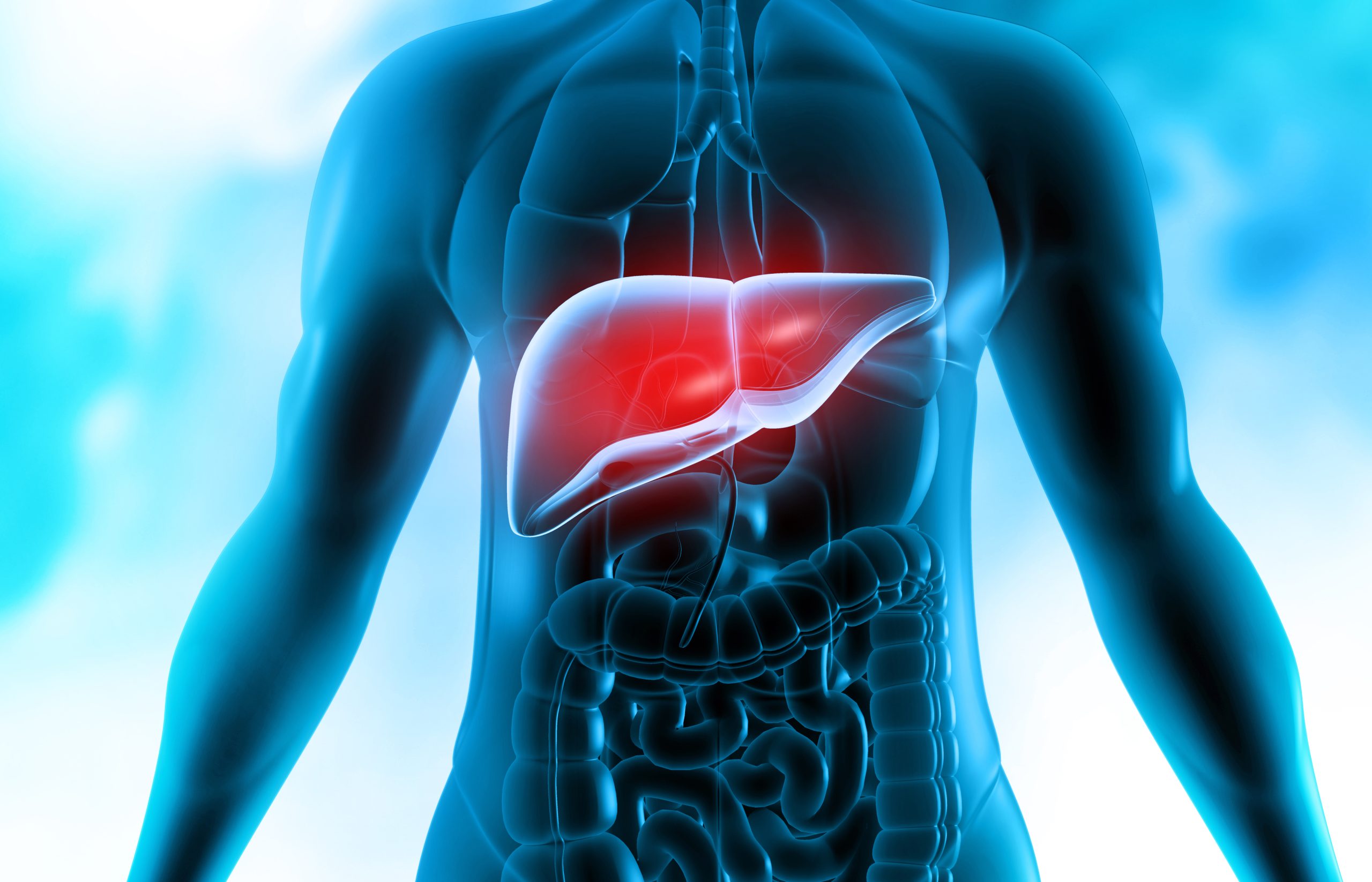
Dr Sahar Keshvari, of the Chronic and Integrated Care research program, has received a $637,040 NHMRC Investigator grant towards her research on paediatric NAFLD.
NAFLD is predicted to affect 30 per cent of children by 2040. Dr Keshvari will investigate how to manipulate immune system cells called macrophages to prevent NAFLD and develop new therapies to fight the disease among children.
Inflammatory Bowel Disease (IBD)
Inflammatory Bowel Diseases Research group leader Associate Professor Jake Begun has received an NHRMC Ideas grant of $1.65million.
Associate Professor Begun’s project aims to change the way IBD is treated by personalising treatments based on the gut microbiome that will improve the well-being of the 100,000 Australians with the condition.
He said that Australia has among the highest incidences of IBD globally.
Current treatments are a “one-size fits all” approach that only block the immune system and don’t benefit all patients, he said.
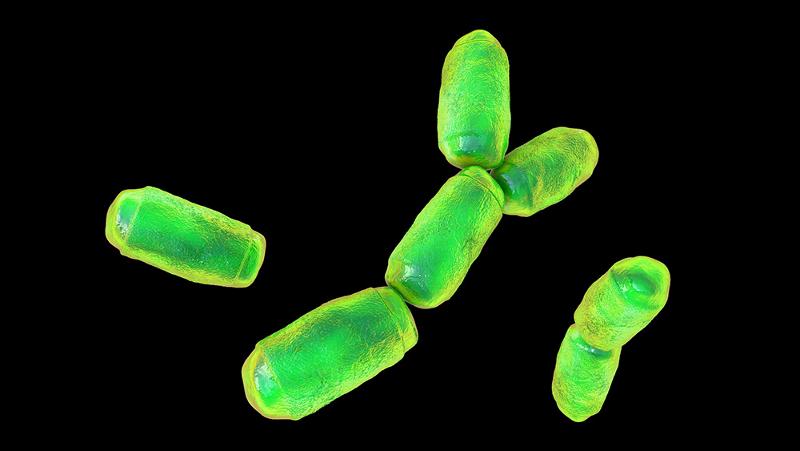
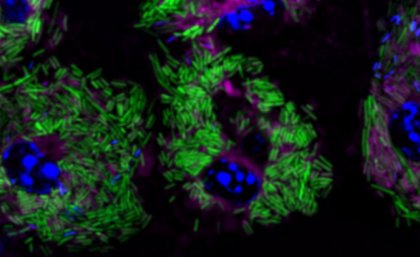
“Inflammatory gut conditions, including IBD, are driven by interactions between a person’s gut bacteria and their immune system.
“My project aims to create tailor-made treatments by profiling these interactions and treating patients with complementary, bacterial-derived compounds targeting their specific profile.”
This story was originally published by Mater Research.