Login
Contact

Explore

Explore

About
  • People and Partners
  • TRI Building
  • Reconciliation Action Plan
  • Strategic Plan
  • TRI Foundation
  • Careers
Research
  • Collaborate
  • Discovery
  • Translate
  • Engage
  • Research Areas
Clinical
  • Translational Trials
  • Clinical Research Facility
  • TRI at Children’s
Industry
  • TRI Incubator
  • The Precinct
  • Residents
Manufacture
  • New cGMP Facility
Facilities
  • Cleanroom
  • Flow Cytometry
  • Histology
  • Microscopy
  • Proteomics
  • Preclinical Imaging
  • Biological Research
  • Gnotobiotics
  • Human Immune Model
Get Involved
  • Health Consumers
  • SPARQ-ed
Resources
  • News
  • Events
  • Case Studies
  • Grants and Funding
  • Education and Training
+61 7 3443 7000info@tri.edu.au37 Kent Street, Woolloongabba QLD 4102 Australia

Acknowledgement of Country

TRI acknowledges the traditional custodians of the land we are on today, the Turrbal and Jagera people and we recognise their continuing connection to land, waters and community. We pay deep respect to them and their cultures; and to Elders past, present and emerging.

© Translational Research Institute Pty Ltd atf the Translational Research Institute Trust|ABN: 58 155 991 662
Privacy policy|Terms of Use|Contact Us
News · 9 October 2023

Advancing breast cancer research and awareness

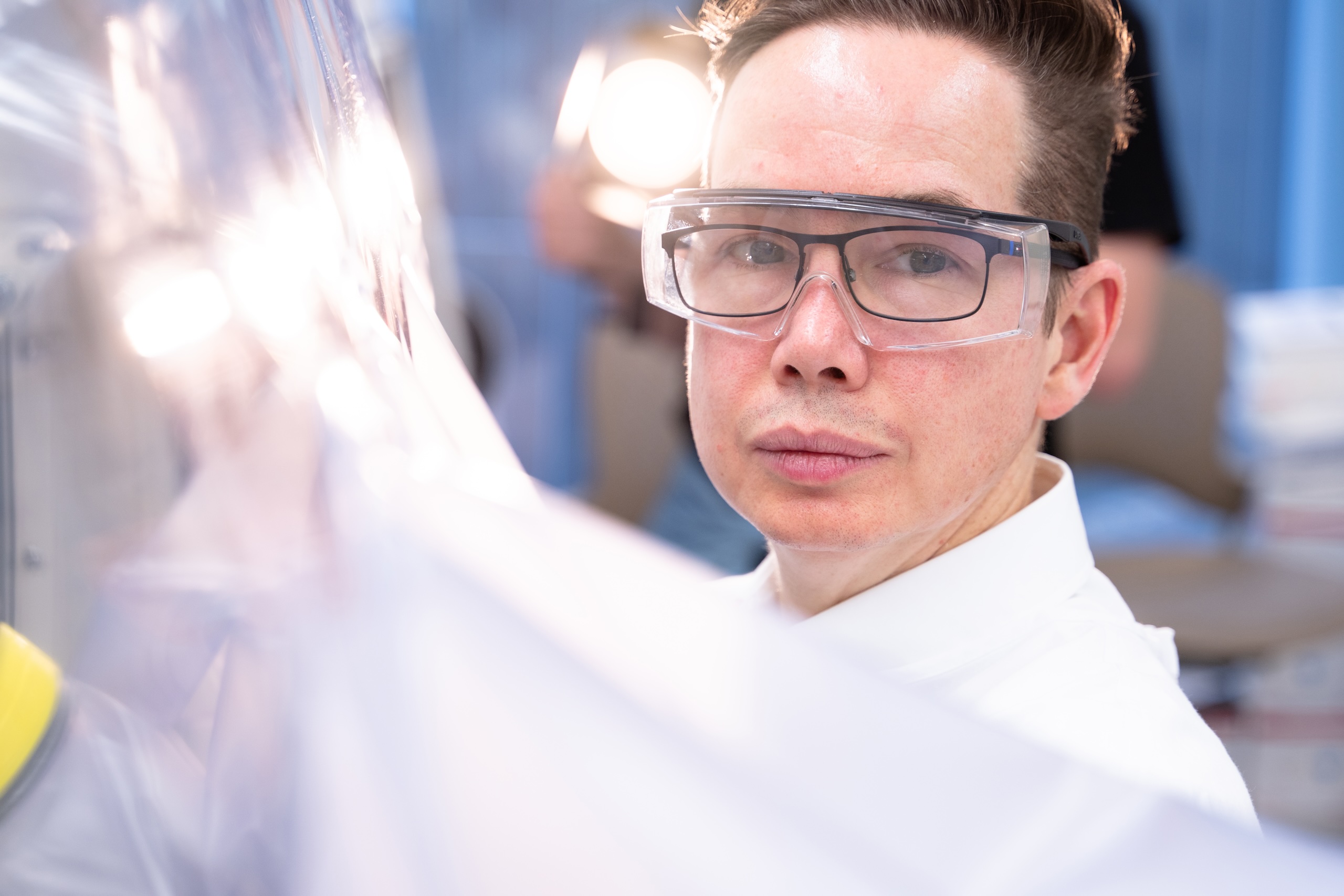
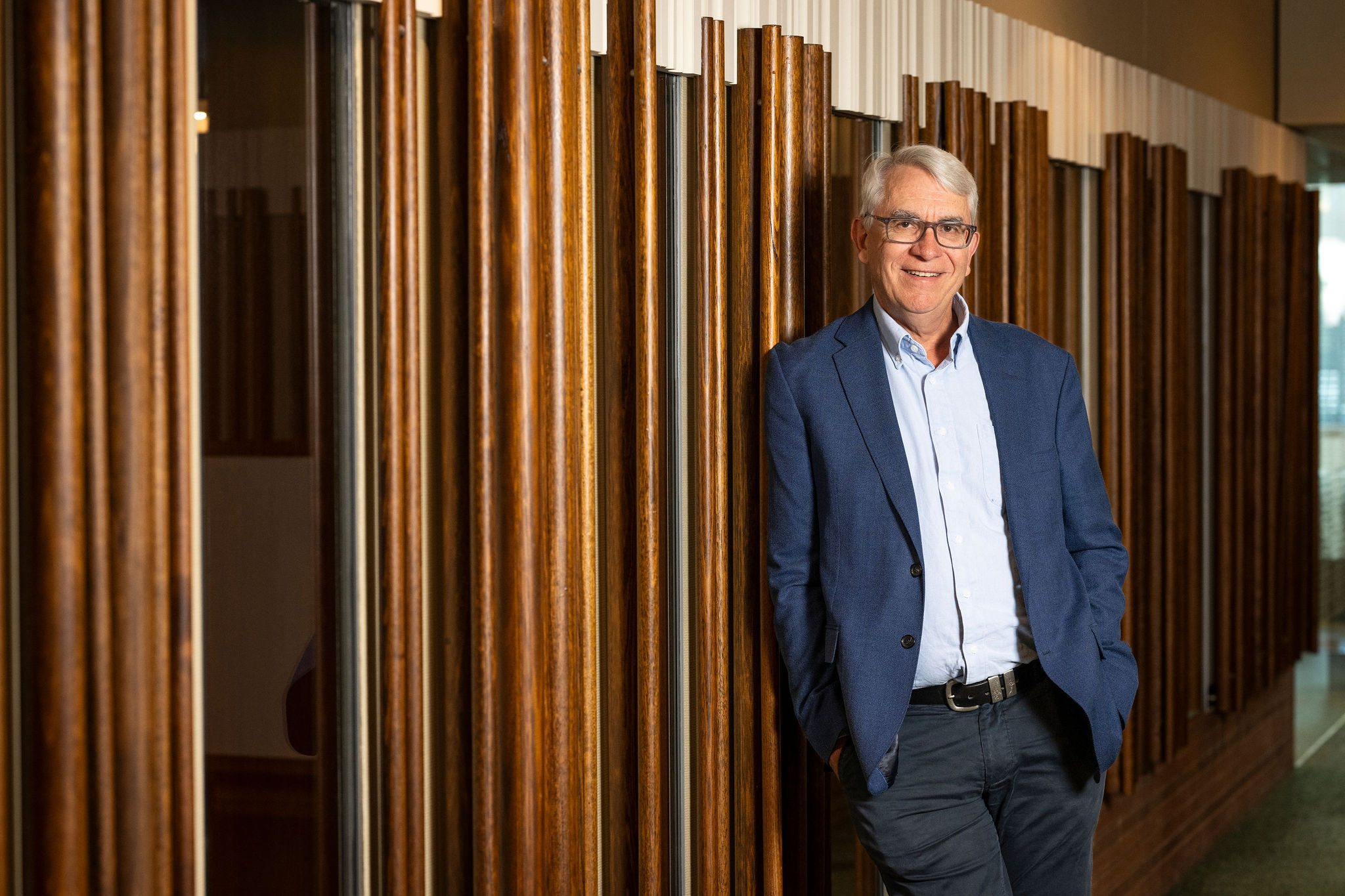
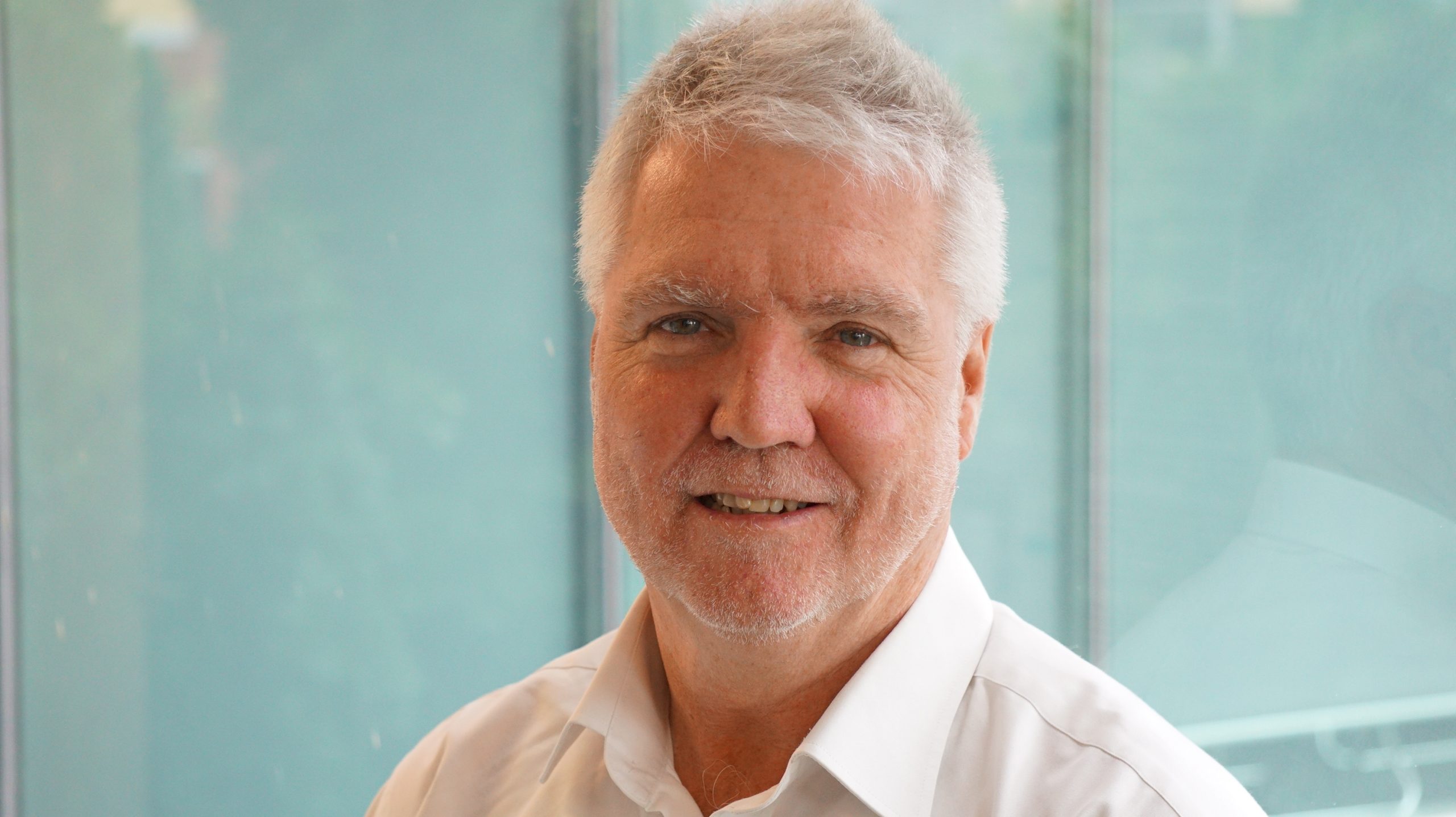
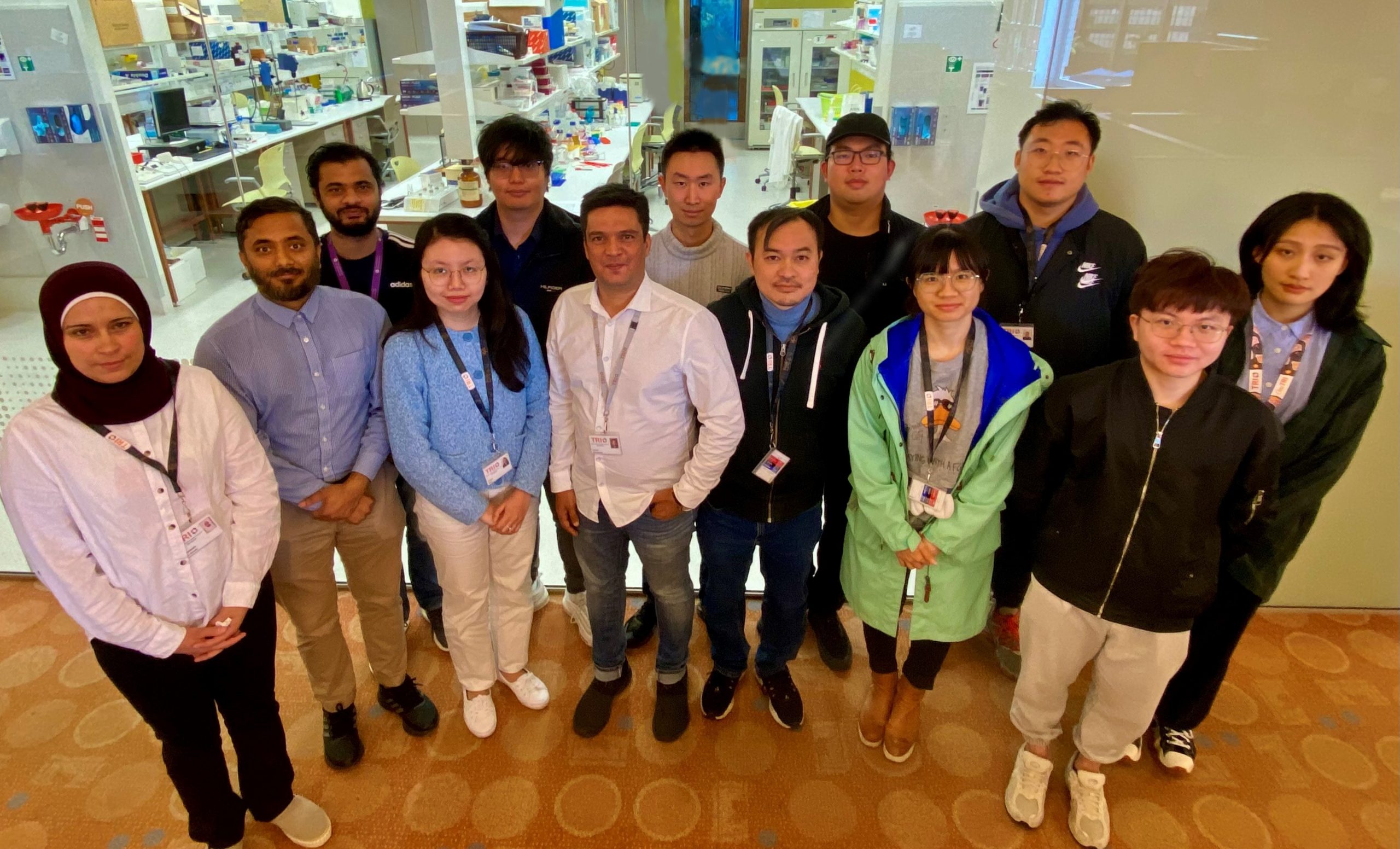
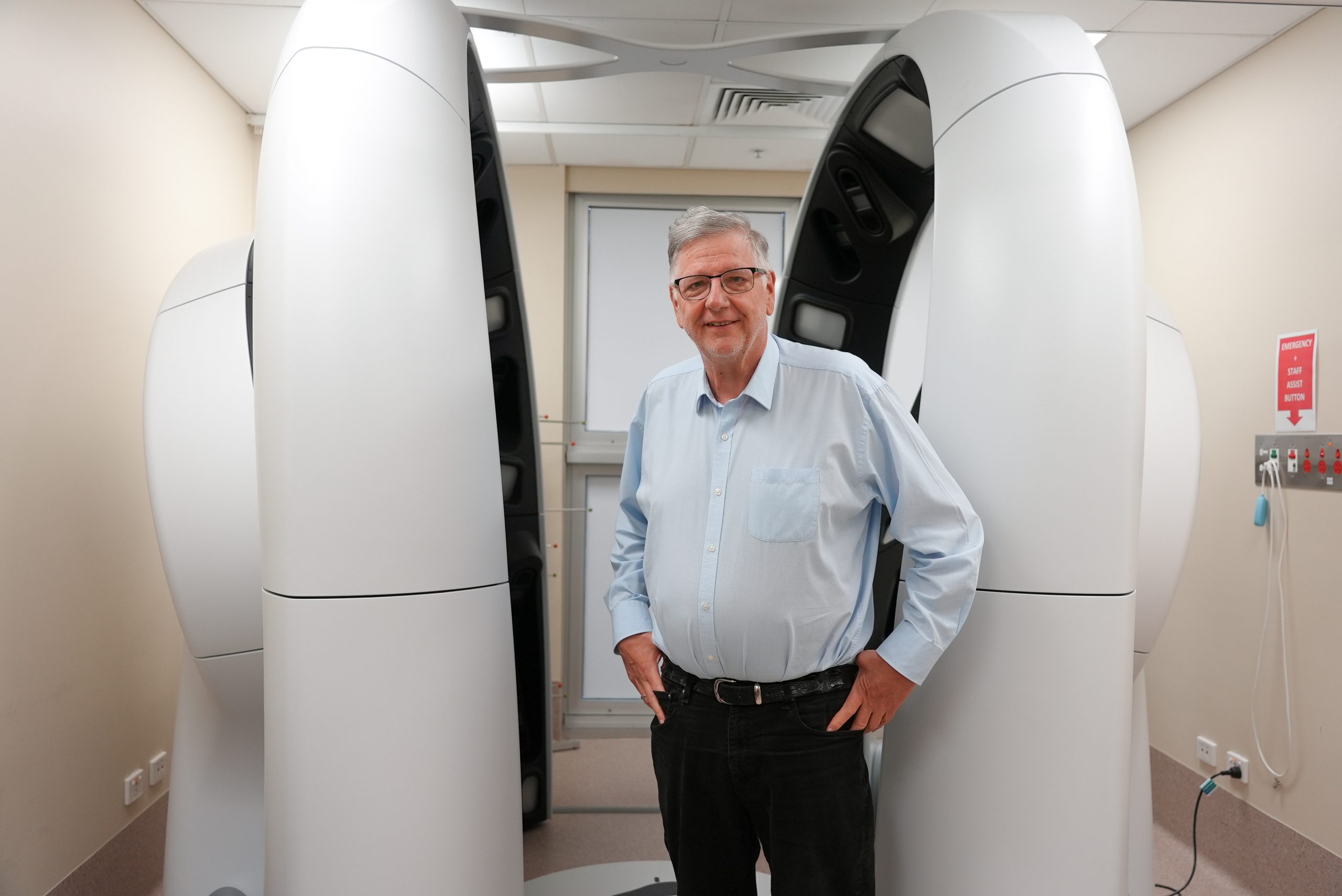
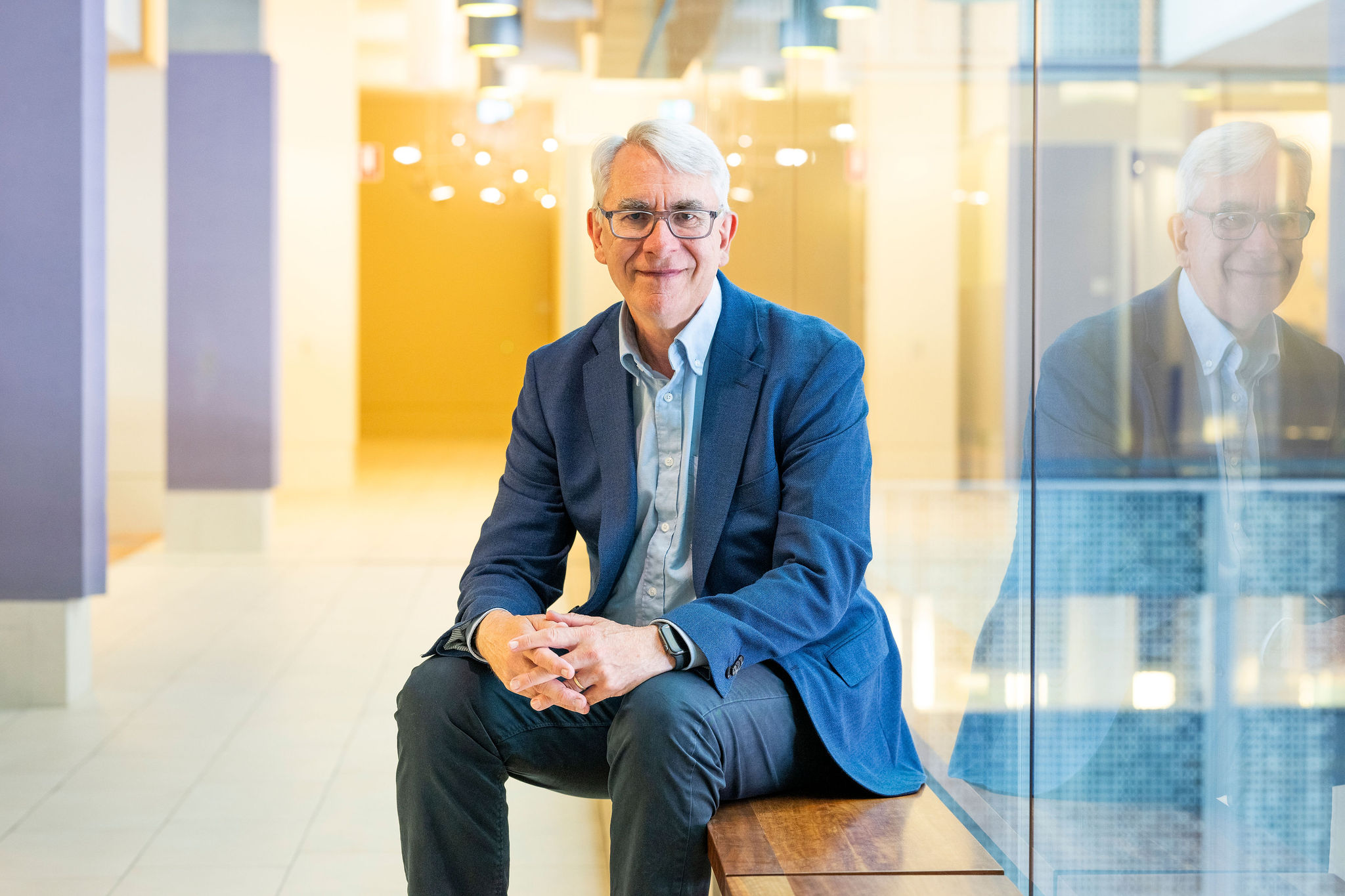
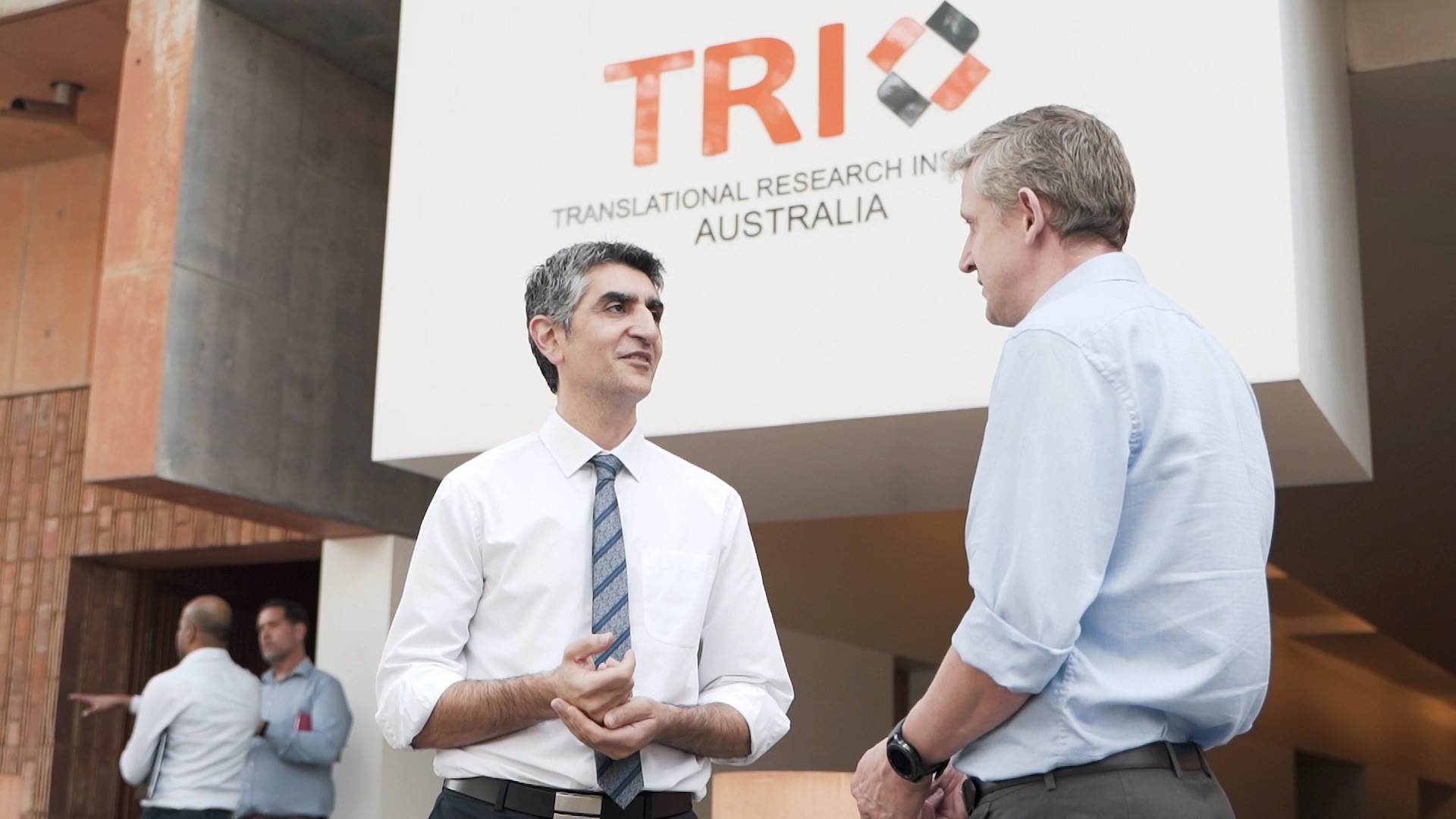
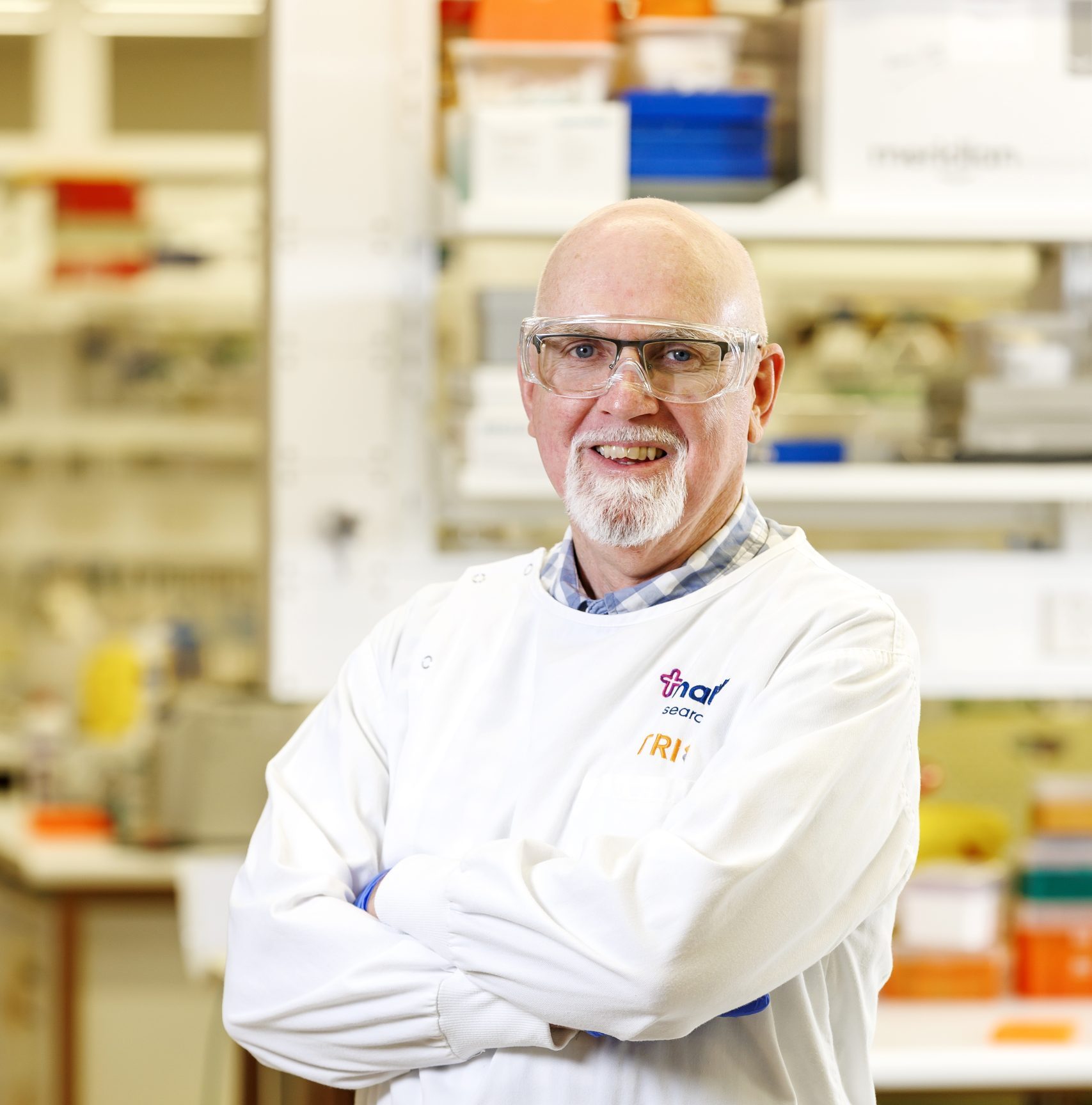
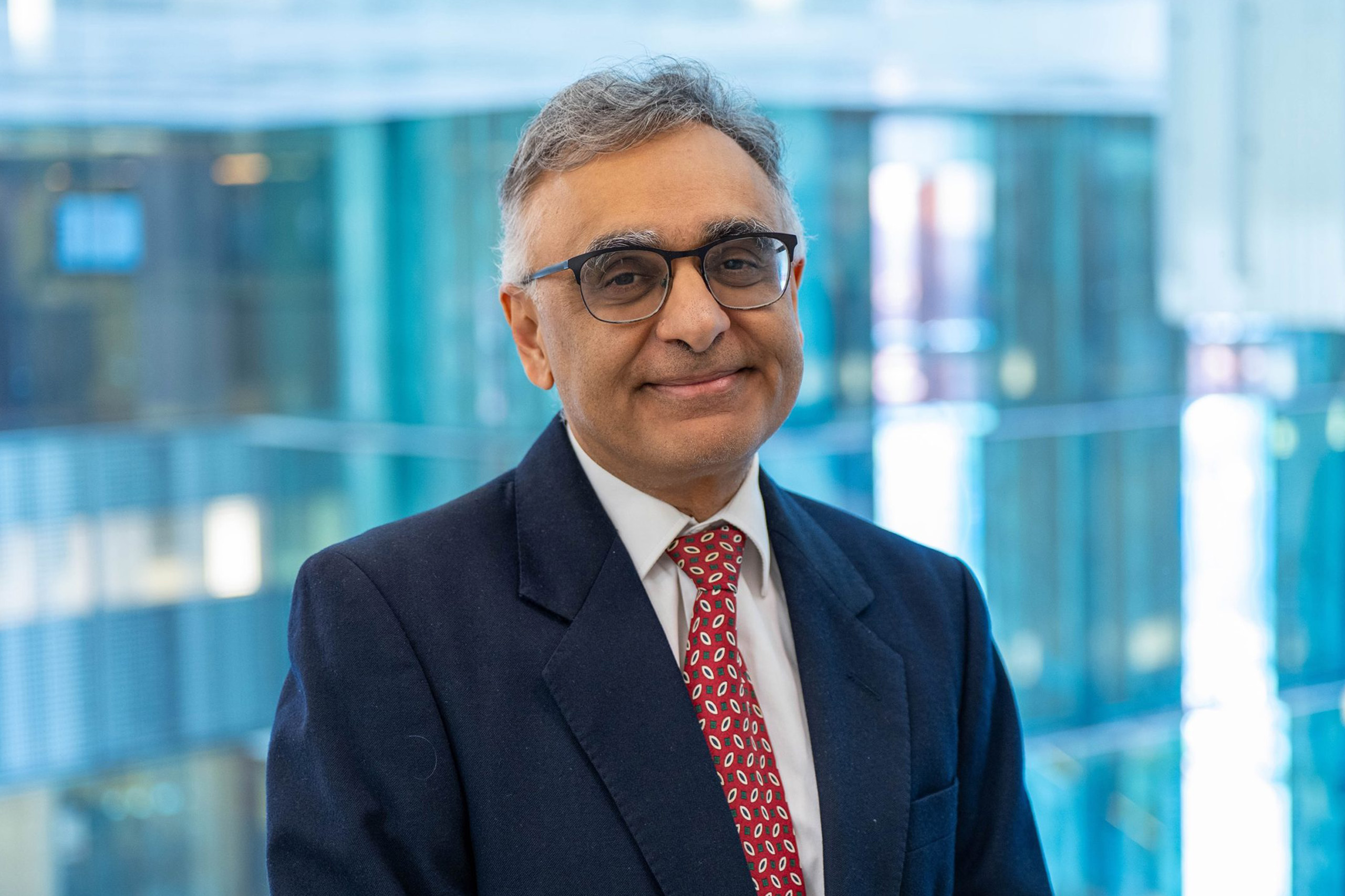
October is Breast Cancer Awareness Month. QUT Professor in Breast Cancer Research Rik Thompson leads a TRI-based group aiming to understand the molecular and cellular processes driving breast cancer risk, progression and therapy resistance. His group also tests novel therapies, working closely with clinical collaborators and engaging with consumer advocates.
Could you provide an overview of your research in breast cancer?

Our research group is focused on early translational research, understanding the molecular and cellular process that drive breast cancer risk, progression and therapy resistance. We are also testing some novel therapies, such as Cold Atmopsheric Plasma. We try to work closely with clinical collaborators in all of these fields and engage consumer advocates where possible.

Mammographic density (MD) is a topic you’re researching. Can you explain why MD is important in breast cancer risk assessment and early detection, and how your research is shedding light on this aspect?

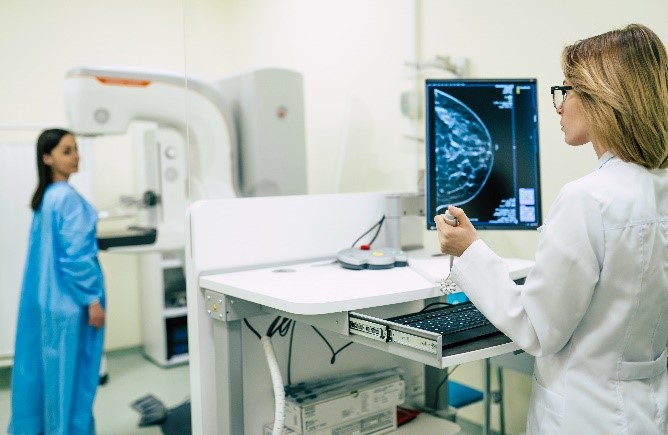
MD is a double whammy. It is a proven breast cancer risk factor, affecting around 43 per cent of women in higher MD categories. Yet it is the white area on a mammogram, which interferes with the radiologist’s ability to see evidence of breast cancers – and provide an all-important early diagnosis. Our research is tackling both aspects. We have proven that blocking molecular processes associated with MD can cause a reduction in MD tissue grown in the lab. On the flip-side, you can see increased progression, proliferation and metastasis of benign breast cancer cells in our studies after co-implantation with high-MD tissue. We are using a portable nuclear magnetic resonance (NMR) instrument to monitor the changes in MD in small tissue pieces. The instrument may be useful in monitoring patient responses and identifying the one-third of women treated with targeted therapies who do not respond. If proven, this could save women undergoing long-term treatment with therapies that are not working, avoiding the potential side effects, and allowing use of alternative therapies.


As a founding member of inforMD (INformation FORum on Mammographic Density), how have you found it has contributed to raising awareness and understanding of mammographic density, both in the medical community and the general public?

There is considerable ‘consumer’ interest in MD, with women increasingly aware of MD and its potential effects on breast cancer risk and screening efficiency. It has been highly publicised, especially in the United States, where 38 different states have passed legislation in relation to women being ‘inforMD’ of their MD status. The USA FDA recently mandated provision of information in all US states by mid-2024. The inforMD website provides a source of information from scientists in Australia, in the context of Australia’s national screening program – which is different to the US. We are fortunate that the new National Health and Medical Research Council My Breast Cancer Risk Centre of Research Excellence (MyBRISK) will provide support to upgrade the inforMD website to better serve the consumer and medical community.


Plasma medicine is mentioned as a novel therapy approach to breast cancer. Could you explain what plasma medicine is and how it might be applied in the treatment of breast cancer?

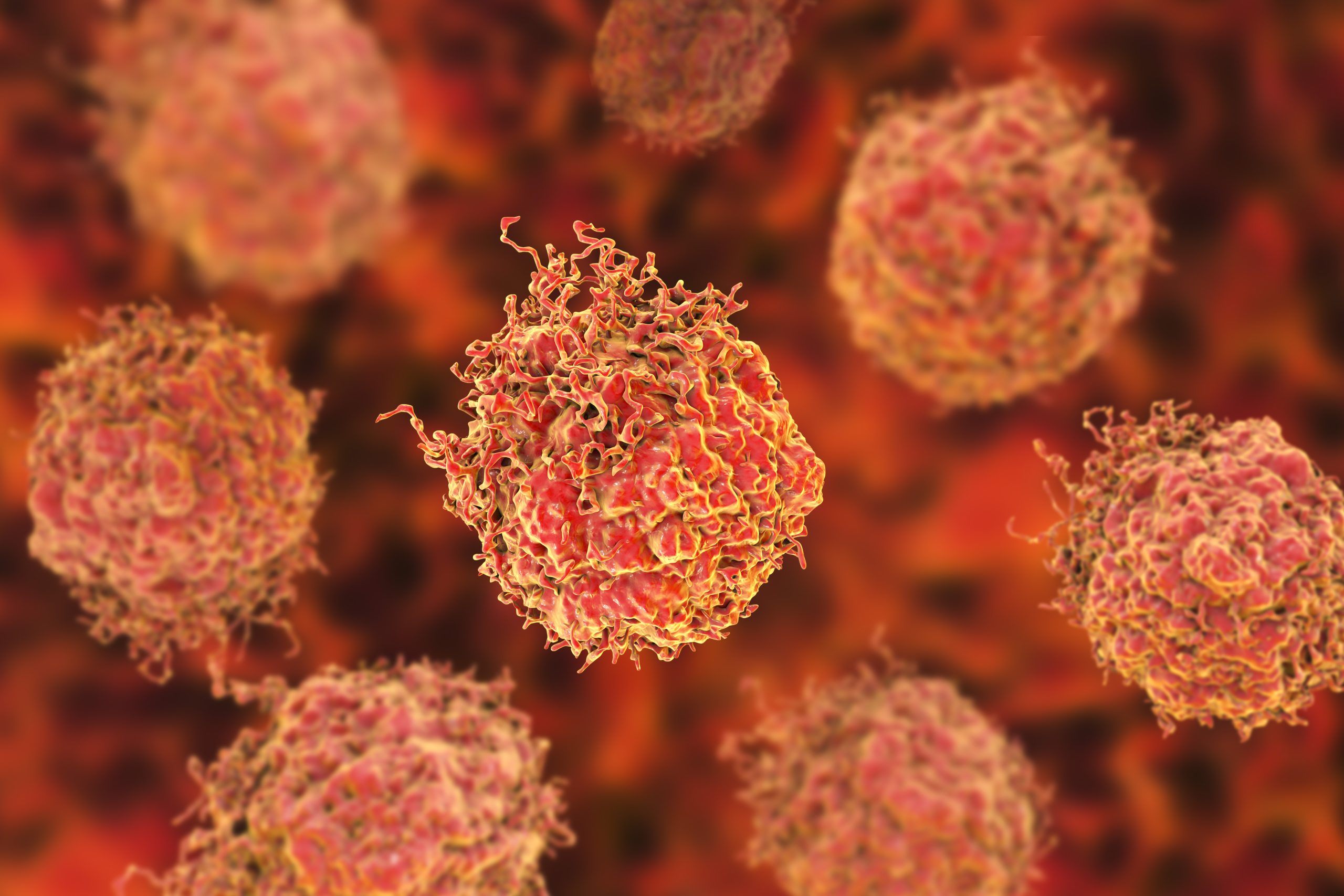
Plasma medicine uses plasma, a gas subjected to an electric field, so that electrons separate from atoms. Lightning is an example of very hot plasma. We can also generate cold atmospheric plasma, which can be used medically and has shown to be beneficial for wound healing, ulcers and cancer. It is selectively toxic to cancer cells because they already have high levels of reactive chemicals. Adding more in the form of plasma pushes them over the survival threshold more easily than normal cells. This is particularly helpful in the most aggressive subclass, triple-negative breast cancer, with highly reactive cells that are particularly sensitive to plasma treatment. It is early days for plasma use in breast cancer but it shows great promise. In the meantime, we are working with Princess Alexandra Hospital radiotherapists Gishan Ratnayake and Howard Liu, and dermatologist Helmut Schaider, to test topical treatment of skin cancers. The plasma activity can also be transferred to liquid form, which we have shown to inhibit breast cancer cells in culture (bioarchive 10.1101/2023.05.30.542966).


In your opinion, what are the most critical challenges and opportunities in breast cancer research today, and how can individuals and communities contribute to raising awareness and supporting research efforts in the field?

Breast cancer has traditionally been well supported by philanthropy, which has been great and has enabled many projects to get off the ground. Such support is crucial. There are many avenues and advocacy groups through which the community can support breast cancer research. The research community is extremely grateful for the support.


October is Breast Cancer Awareness Month. What key messages or actions do you believe are crucial for promoting breast cancer awareness and early detection among the general public?

Early detection is key, with very high overall survival rates for breast cancers detected early. It is good to discuss with your GP and practise self examination regularly. Also be aware of individual risk factors. MD should be considered in conjunction with other risk factors, such as age at menarche and menopause, number of children and breastfeeding, family history, genetic risk, alcohol use and smoking. Studies are underway in Australia to consider more frequent screening of higher risk women, and less frequent screening for those with lower risks.


How can people, both those directly affected by breast cancer and those who want to show support, be involved in advocacy efforts and fundraising initiatives?

The door is open at TRI for consumers and community members keen to learn more about our research – and potentially align with specific research programs. Consumer training is important and helps both the consumers and researchers make effective use of their time and efforts. A growing number of avenues for consumer training are available. We hold an annual Breast Cancer Awareness Event, highlighting different approaches to breast cancer research across the OneTRI partners and providing an opportunity for consumers to interact with researchers. Our third annual event on Monday, 16 October from 10:00am-12:30pm, with a bake and plant sale from 8:00am. To show your support and make a donation, you can visit My Cause to contribute.


What advice would you give to aspiring researchers and advocates who are passionate about making a difference in the fight against breast cancer?

It is essential to engage the clinical community, find the key issues to study, and engage the consumer community. Collaborate with them, and with other researchers, to comprehensively address the topical issues. Adopt new technologies early, and if possible, spend time overseas to learn new technologies and approaches, as well to make connections.

Interested in Prof Rik Thompson’s research? Get in touch via email at e2.thompson@qut.edu.au.
Read more news

Filter by
TRI Announcement
New CEO for Translational Research Institute

Eminent cancer researcher and clinician Professor Maher Gandhi has been appointed as the next Chief Executive Officer of TRI.
Cancer
AdvanCell’s mission to revolutionise cancer treatment

A world-first clinical trial for metastatic prostate cancer is underway, using a specialised treatment developed by TRI-based AdvanCell.

Melanoma
Nature may provide the key to beating drug resistant melanoma

Peptides derived from a crab and a spider core to research findings.

Human Immune Models
Humanised immune models advancing therapeutic development

TRI has a partnership with The Jackson Laboratory to establish Australia’s first immune-humanised preclinical model generation and distribution facility.

Cystic Fibrosis
Developing new cystic fibrosis treatment

Researchers are determining the feasibility of a clinical trial for a new therapy to help improve the lifespan of people with cystic fibrosis.

MicrobiomeTranslational Trials
Transforming healthcare with microbiome research

TRI-based researchers from QUT are progressing our understanding of the human microbiome and its role in human health and disease.

Cystic FibrosisTRI Announcement
Prestigious international award for TRI CEO

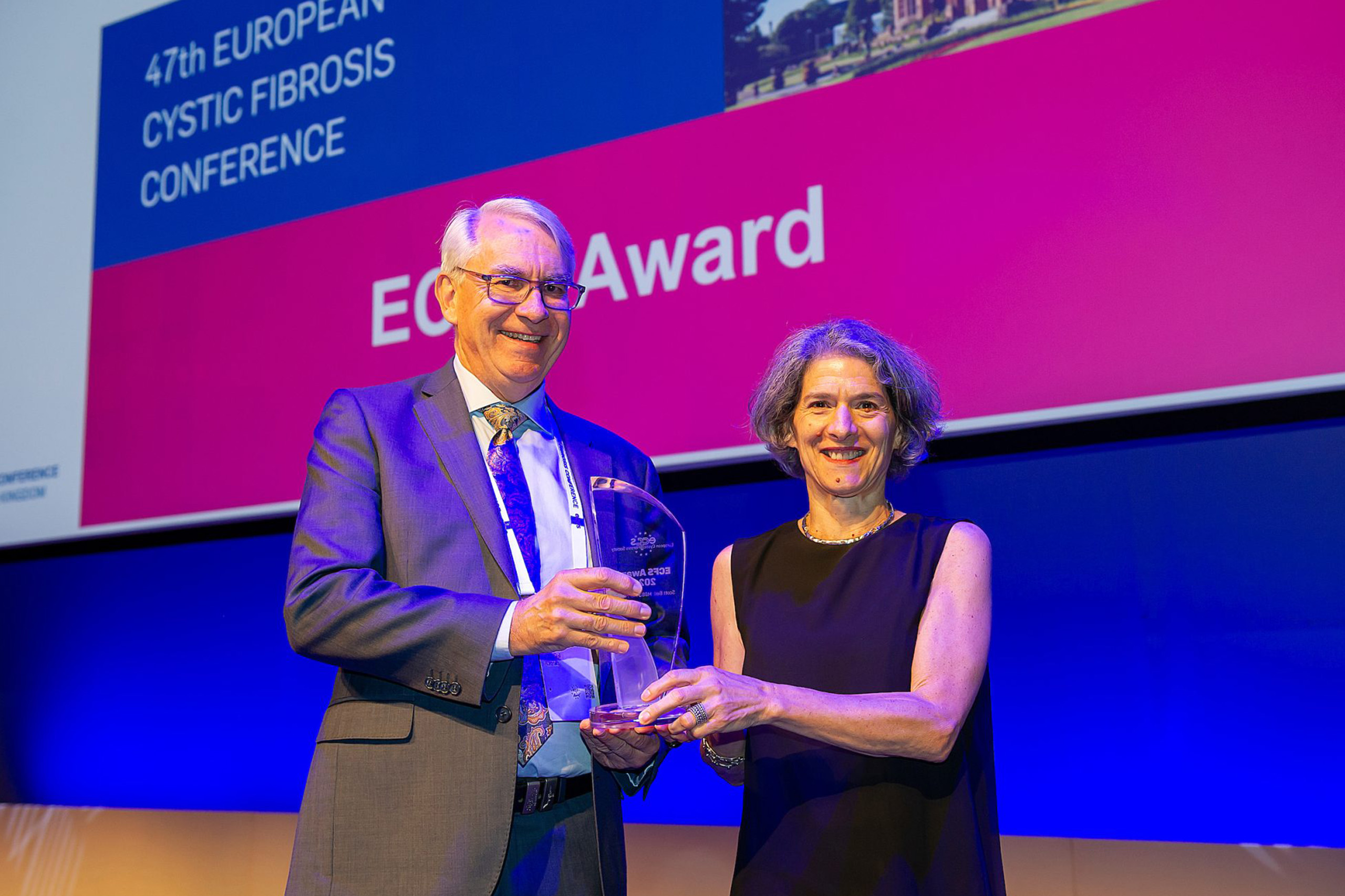
TRI CEO Professor Scott Bell has been recognised for his outstanding contribution to cystic fibrosis with a prestigious international award.

MicrobiomeNeuroscience
Parkinson’s research targets gut microbiome

Researchers based at TRI are developing Parkinson’s disease treatments by targeting the gut microbiome.

TRI Announcement
TRI and Vaxxas celebrate major milestone

Vaxxas has produced its 100th batch of needle‐free vaccine patches at TRI – technology that may soon help protect Australians against infectious diseases.

Research Support
Funding for cancer, liver, brain and pain research

TRI-based researchers, industry tenants, collaborators and affiliates are sharing in more than $17million in the latest round of National Health and Medical Research Council (NHMRC) funding.

Fellowship
2024 TRI Translation Fellows announced

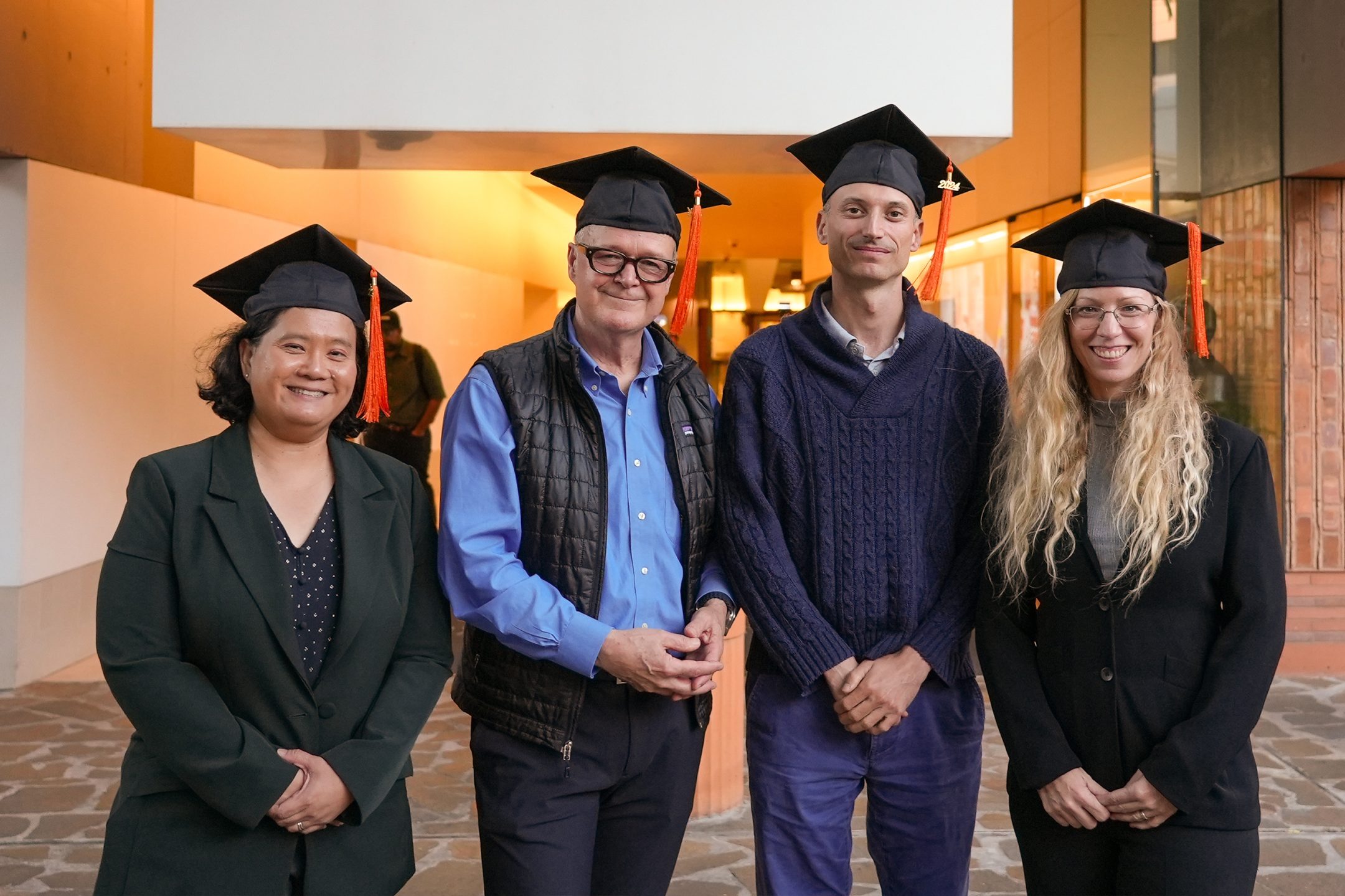
The Translational Research Institute (TRI) has awarded four Translation Fellowships to mid-career researchers.

Translational Trials
Princess Alexandra Hospital home to world first prostate cancer trial

A radiopharmaceutical company based at TRI is part of a world-first trial of a treatment for difficult-to-treat cancers that have spread in the body.

TRI Announcement
TRI to farewell Chief Executive

Respected respiratory physician Professor Scott Bell has announced he will not seek an extension of his five-year tenure as Chief Executive Officer of TRI.

Cancer
Tech and new skills unlocking cancer’s cellular secrets

TRI-based researcher Dr Arutha Kulasinghe is combining cancer biology, high-speed imaging, advanced machine learning and artificial intelligence processing power to better understand cancer at a cellular level.

Cancer
Translating cancer research for more effective treatments

Professor Kum Kum Khanna has joined Mater Research, with the aim of developing new treatments, or repurposing FDA-approved medicines, for treatment of aggressive forms of breast and ovarian cancer.

Ovarian Cancer
Boost for deadly ovarian cancer vaccine

Mater Research is set to spearhead the development of a ground-breaking vaccine to treat ovarian cancer thanks to a $670,000 OCRF (Ovarian Cancer Research Foundation) grant announced today.

Genomics
Australian first: lab grown skin to help burn victims

Queensland researchers have become the first in Australia to use human stem cells to generate fully functioning skin tissue in a laboratory, a significant step towards better treatments for severe burns and wounds.

Covid-19
Pregnancy complications linked to COVID-19

DNA changes consistent with life-threatening pregnancy complications have been found in the placentas of pregnant women infected by COVID-19, according to researchers from The University of Queensland.

TRI Announcement
New LINC Grants aim to tackle unmet medical need

Seven projects have secured funding from TRI through the latest LINC grants, to progress research in the areas of cancer, children’s immunity and blood infection.

CancerImmunology
Advancing personalised cancer vaccines and therapies

Immunologist Dr Jazmina Gonzalez Cruz is leading a pioneering research program to identify and design personalised cancer treatments.

Research Support
Federal funding for TRI-based researchers

TRI-based researchers from The University of Queensland, Mater Research and Queensland University of Technology are sharing in more than $12million in the latest round of National Health and Medical Research Council (NHMRC) funding.

Genetics
Major genetic study into osteoporosis

TRI-based researchers from The University of Queensland, Mater Research and Queensland University of Technology are sharing in more than $12million in the latest round of National Health and Medical Research Council (NHMRC) funding.

Cancer
Fighting one of our deadliest cancers

Mater Researcher Professor John Hooper will share in $1.8 million of funding from PanKind, the Australian Pancreatic Cancer Foundation, to investigate early detection and new treatments for pancreatic cancer.

Genomics
TRI’s new Musculoskeletal Genomics Group

TRI is home to the new Mater Research Musculoskeletal Genomics Group, with its focus firmly on discovering new therapeutic targets for musculoskeletal disorders.

TRI Announcement
Vale Chuck Feeney

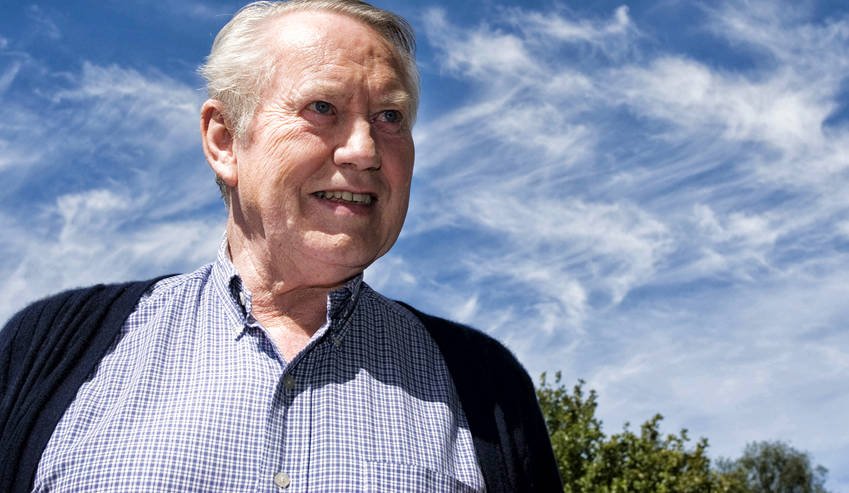
Paying tribute to philanthropist Charles ‘Chuck’ Feeney, who was instrumental in supporting the establishment of major research institutes around South East Queensland – including TRI.

Breast Cancer
Advancing breast cancer research and awareness

QUT Professor in Breast Cancer Research Rik Thompson leads a TRI-based group aiming to understand the molecular and cellular processes driving breast cancer risk, progression and therapy resistance.

CancerGenetics
Genes identified for aggressive melanoma

Researchers from The University of Queensland and The Alfred hospital in Melbourne have identified gene variants which may contribute to people being at higher risk for nodular melanoma.

Immunology
Research could bring better treatment for chronic Inflammation

TRI-based Mater Researchers have discovered that an immune factor released by white blood cells during infection or inflammation works to suppress the body’s immune response instead of enhancing it.

Cancer
New target to beat cancer drug resistance

The University of Queensland researchers have identified a novel drug target with the potential to overcome drug resistance and prevent tumour regrowth in cancer patients.

Kidney disease
National kidney disease trial starts recruiting

Patient recruitment is underway for a University of Queensland-led clinical trial to test the effectiveness of a diabetes drug to slow the progression of polycystic kidney disease.

Therapeutic
Perfecting medicinal lotions

Researchers at TRI are helping scientists and industry develop the most effective formulations and methods for delivering therapeutics via the skin.

Cancer
New funding for lymphoma research

TRI-based researcher Dr Joshua Tobin, a member of Mater Research’s Blood Cancer Group led by Professor Maher Gandhi, has recently been awarded $150,000 in funding to further his research into lymphoma.

Osteoporosis
Study into new osteoporosis fracture therapy

TRI-based scientists from Mater Research and The University of Queensland have recently identified a potential treatment to enhance the healing of fractures among osteoporosis sufferers.

Skin cancer
Smarter AI for skin cancer care

Researchers from The University of Queensland have supported a study to improve the performance of an artificial intelligence (AI) model in skin cancer diagnosis and management.

Diabetes
Studying rising rates of Type 1 diabetes in children

Professor Jo Forbes from Mater Research says Type 1 diabetes in children is twice as common now than it was 20 years ago.

Translational Research
TRI announces 2023 translation fellowships

TRI has awarded four Translation Fellowships to early and mid-career researchers. The 12-month Fellowships, valued at $20,000 each, were launched in 2023 as part of TRI’s flagship Translation Pathways program.

Translational Research
Seed funding for translational clinical collaborations

TRI and its hospital partners have jointly awarded new research grants to drive new collaborations between clinicians and scientists.

Translational Research
CSIRO and TRI award grants to fast-track digital healthcare solutions

TRI and the Australia e-Health Research Centre at CSIRO have jointly awarded $300,000 to innovative projects aimed at solving a healthcare challenge.

Translational Trials
Collaboration yields world-first nerve repair surgery

The first patient of an ongoing clinical trial has recovered well following world-first sutureless nerve repair surgery.

Autism
New sleep findings for children with autism

A new study has identified that fat molecules contribute to sleep disturbances in children diagnosed with autism, with results now published in Nature Medicine.

Covid-19
Liver damage could be a major outcome of severe COVID-19 infection in new study

Liver damage could be a major outcome of severe COVID-19 infection in a landmark study involving TRI-based researchers.

CancerImmunology
QUT scientists developing precision treatment to boost cancer patients’ immune systems

QUT scientists at the Translational Research Institute (TRI) are harnessing a new class of pharmaceutical compounds, known as aptamers, to develop a drug to boost the immune system’s ability to fight cancer.

Microbiology
Methane ‘gobbling’ microorganism is a shape shifter: Nature Microbiology

A microorganism that helps reduce the release of the greenhouse gas methane into the atmosphere has been found to be a ‘shape shifter’.

Breast Cancer
Imaging tech could give better breast cancer risk estimation

Australian women could better gauge their breast cancer risk through new imaging technology, without radiation that comes with mammography.

TRI Announcement
TRI turns 10

TRI has marked 10 years since the first staff from research partners The University of Queensland, QUT, Mater Research and Metro South Health began to move into the building.

Covid-19
Could there soon be a nasal spray to help prevent COVID infection?

The possibility of a mouthwash or nasal spray to prevent or reduce the spread of the COVID-19 infections is being investigated by TRI-based QUT scientists.

Prostate Cancer
New therapies turning off energy for prostate cancer cells

QUT researchers based at TRI are developing new drugs to shut down the energy pathways essential to prostate cancer cells’ survival.

Covid-19
Contributing to report charting preparedness for future pandemics

TRI CEO Professor Scott Bell has contributed to a CSIRO report that sets out how Australia can improve its resilience to future pandemics.

TRI Announcement
Vaccine manufacturing facility to be built with $60million in funding

A medical manufacturing facility, equipped to produce promising drugs and vaccines for clinical trials, will be built with $60 million from the Queensland Government.

Translational Research
Better patient outcomes the focus of new LINC grants

TRI, Metro South Health and Mater Research have announced the recipients of almost $400,000 in research grant funding through their jointly funded LINC scheme.

Immunology
New discovery shows how to disarm deadly listeria bacteria

Researchers have unlocked a way of fighting listeria infections, which can cause severe illness in pregnancy and people with compromised immune systems.

Prostate Cancer
Hormone therapy may fuel bone cancer in prostate patients, study shows

Anti-androgen therapy used to treat patients with advanced prostate cancer may be fuelling bone cancer spread.

Neuroscience
Childhood sugar overload: a recipe for long-term problems

Children who consume too much sugar could be at greater risk of becoming obese, hyperactive and cognitively impaired as adults, a study has found.

Cancer
Skin cancer shield developed for transplant patients

The world-first treatment being developed by TRI-based researchers from The University of Queensland is the only drug of its type that could prevent the incidence of skin cancers for transplant patients.

Clinical Research
Drug doesn’t reduce heart disease in kidney patients

Researchers have found that lanthanum carbonate does not reduce the risk of cardiovascular disease developing in patients with chronic kidney disease.

Ovarian Cancer
New ovarian cancer diagnostic going to trial

TRI-based researchers from The University of Queensland have unlocked a way of fighting Listeria infections, which can cause severe illness in pregnant women and people with compromised immune systems.

Ovarian Cancer
New drug to beat chemo resistance in ovarian cancer

Scientists have discovered they can overcome chemotherapy resistance in an ovarian cancer subtype by using low doses of a drug which slows cell growth.

Ovarian Cancer
New drug approach may boost ovarian cancer therapy

Scientists from Mater Research have discovered they can overcome chemotherapy resistance in an ovarian cancer subtype by using low doses of a drug which slows cell growth.

Neuroscience
Blood pressure medication could combat alcohol dependence

A drug used to treat high blood pressure may alleviate anxiety induced by long-term heavy alcohol use, and also halt the damage such drinking can cause to the brain’s ability to grow new cells, QUT researchers based at TRI have found.

Liver disease
Targeting new treatment for obesity-related liver disease

A new spin-out from The University of Queensland will develop a novel therapy for the growing problem of obesity-related liver disease.

Prostate Cancer
Jyotsna Batra wins Young Tall Poppy science award

QUT scientist recognised for outstanding research and academic achievement, as well as excellence in communication and community engagement.

Blood cancer
Potential immune therapy for lymphoma revealed

Research in the Journal of Clinical Oncology has reported findings that may inform treatment and improve outcomes for patients with follicular lymphoma.

Skin cancer
$10M to boost advanced melanoma imaging for Australia

Professor H. Peter Soyer has been awarded $10 million for the Australian Centre of Excellence in Melanoma Imaging and Diagnosis at TRI.