New sleep findings for children with autism
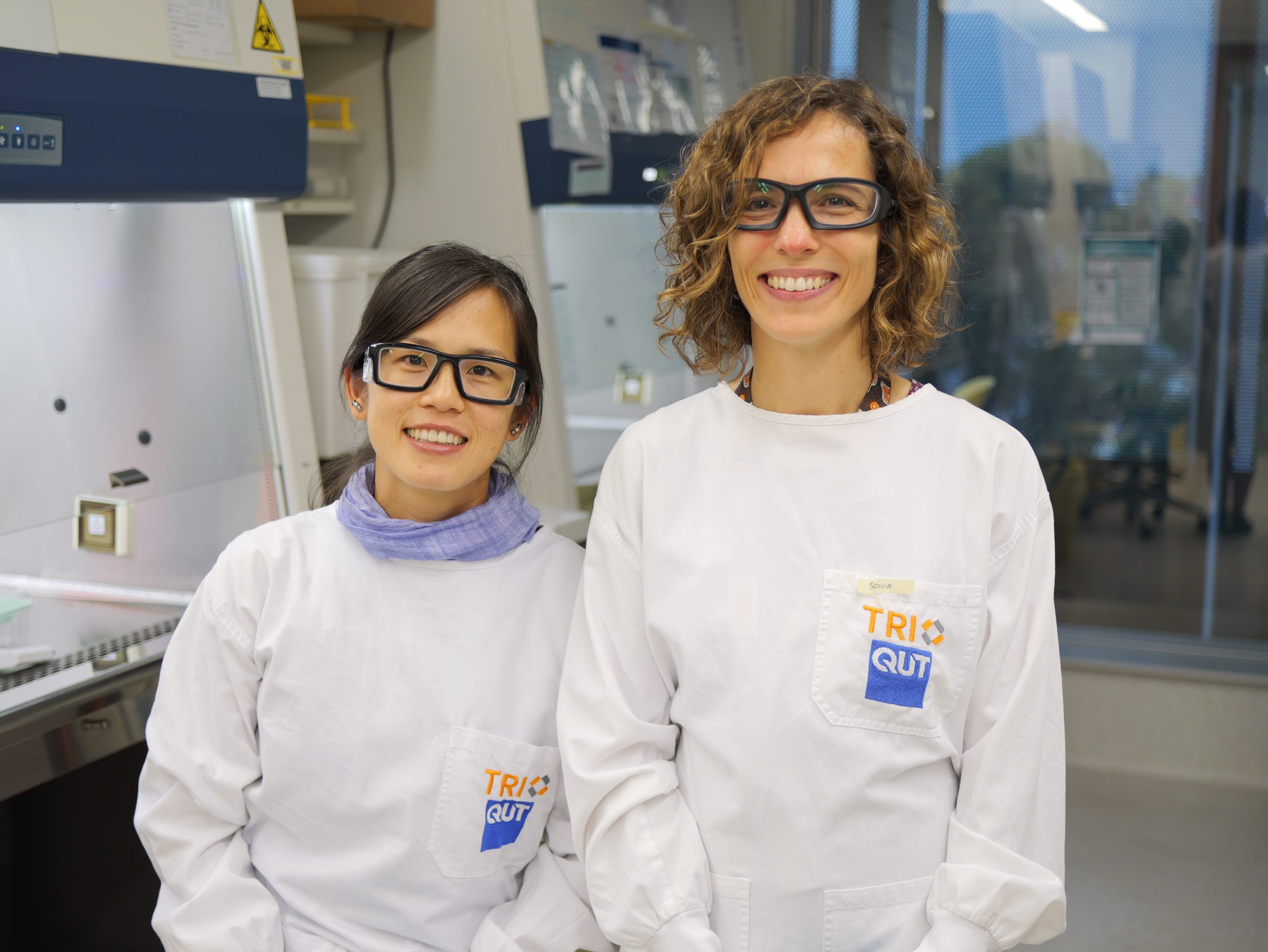
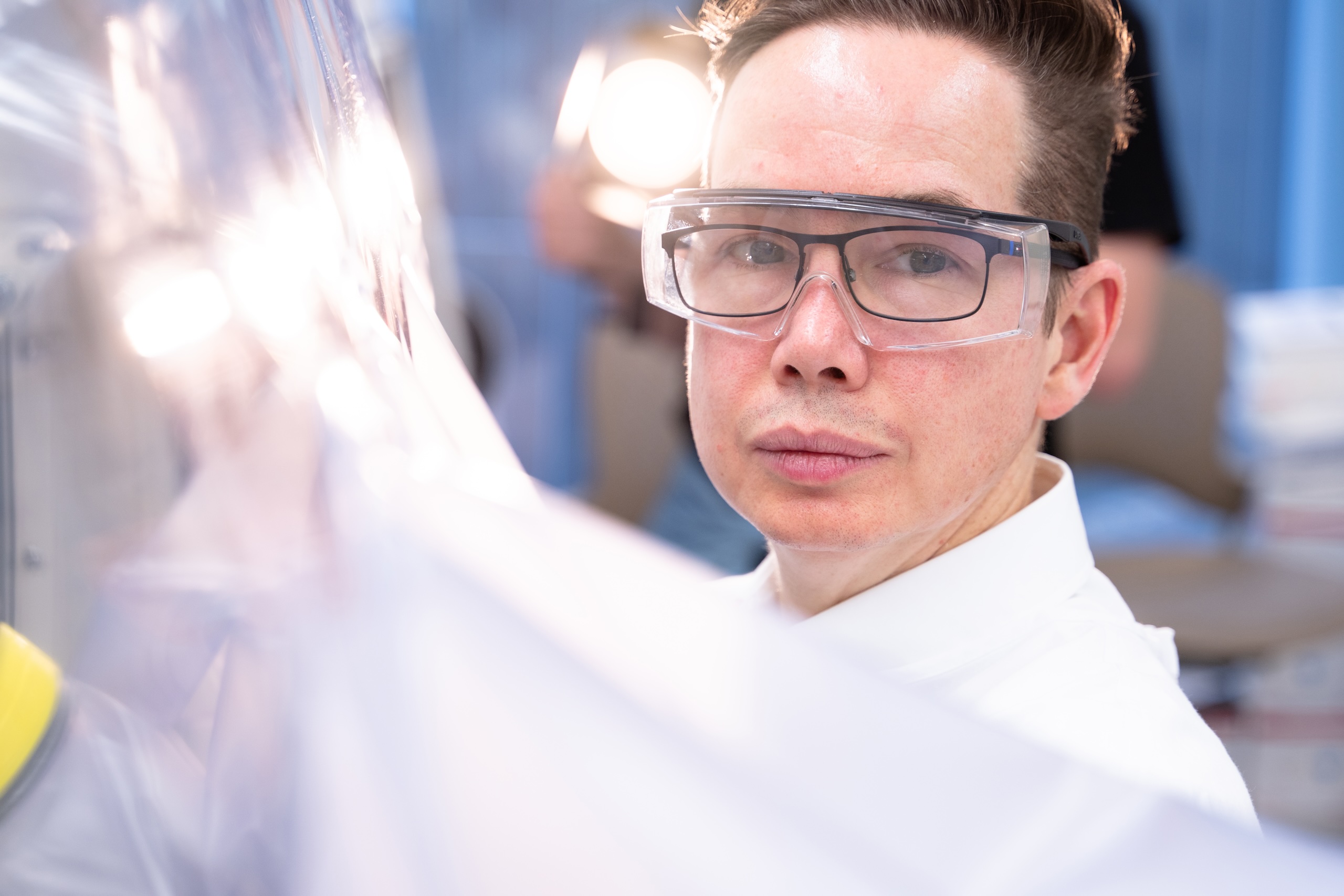
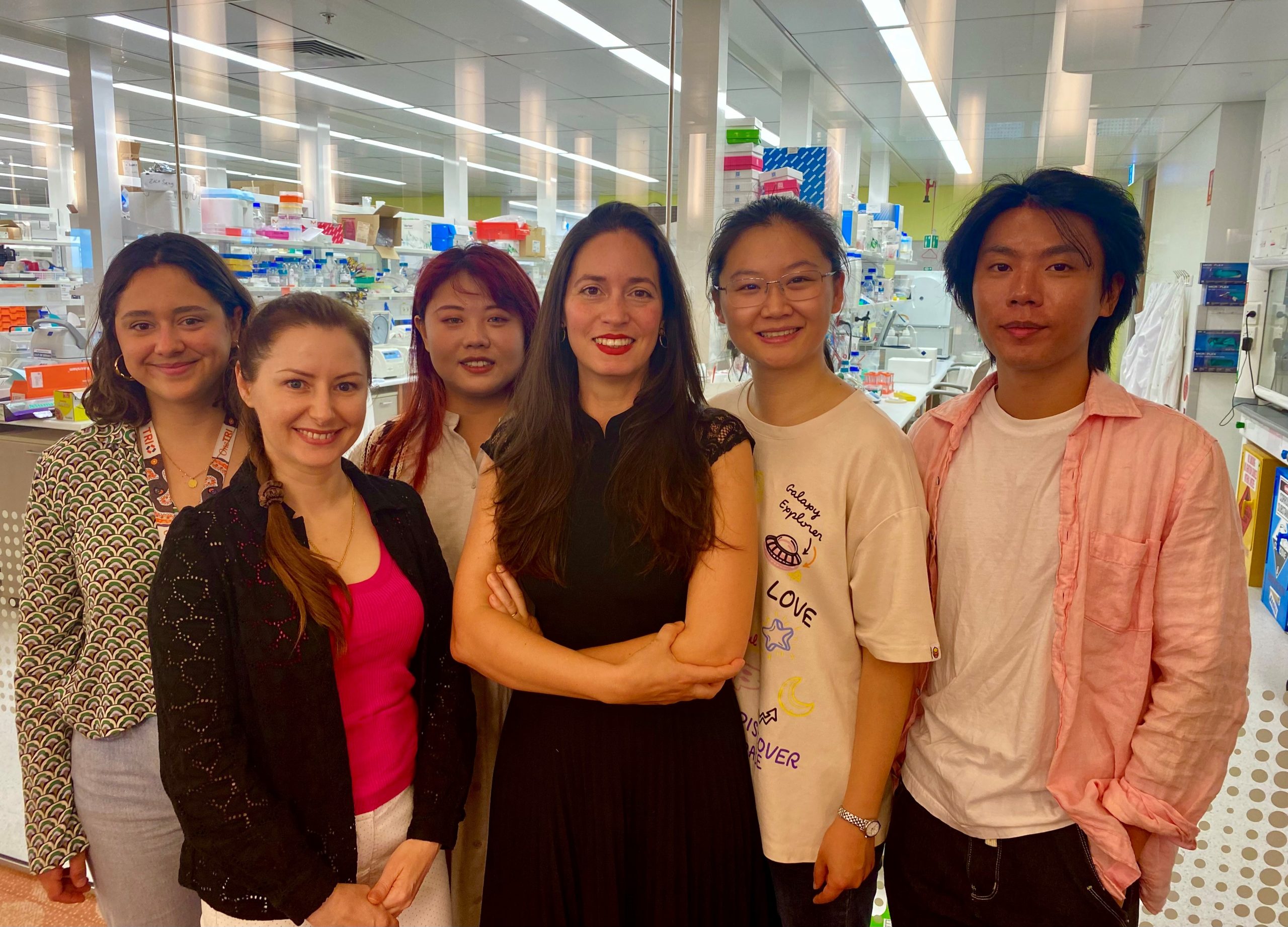
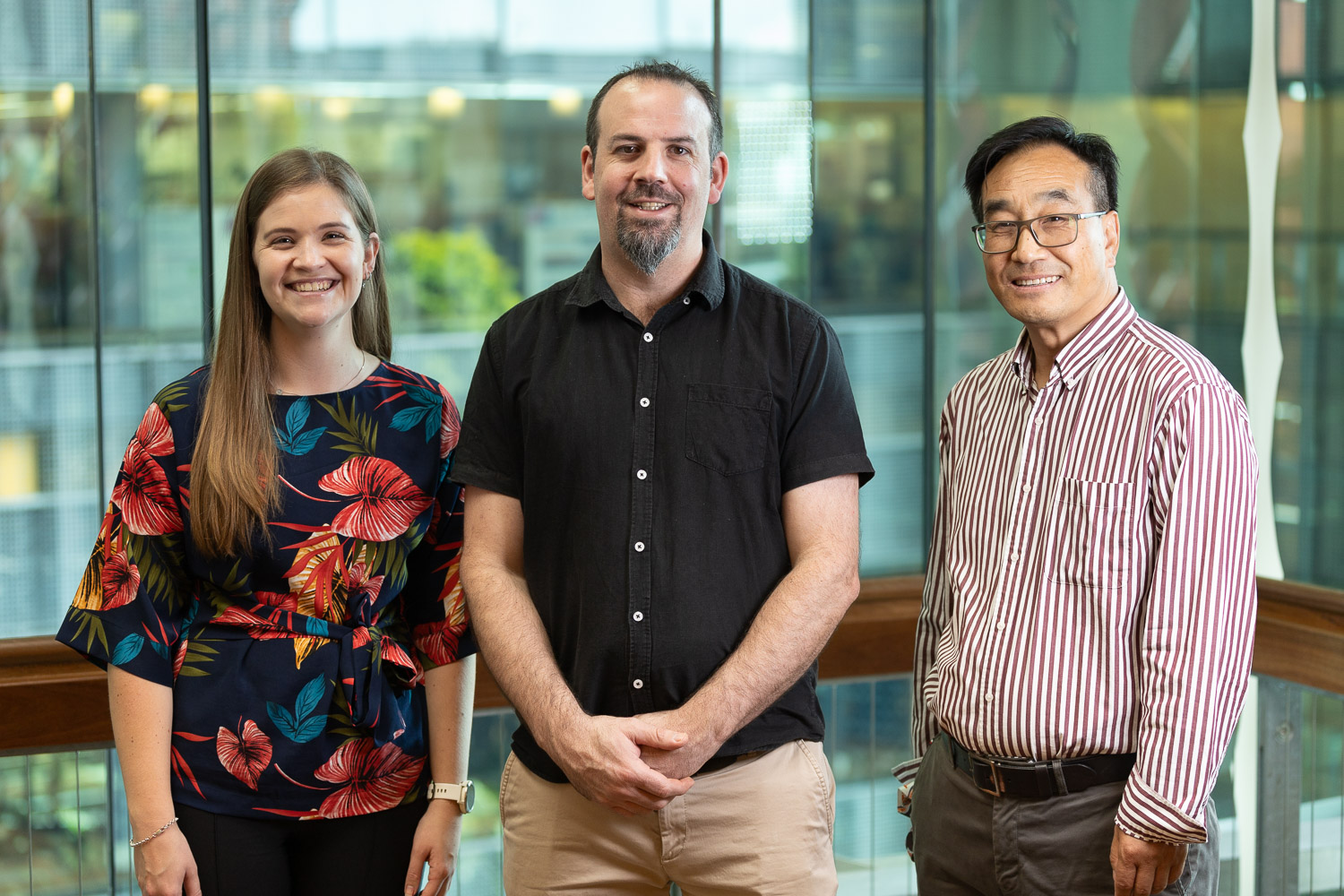
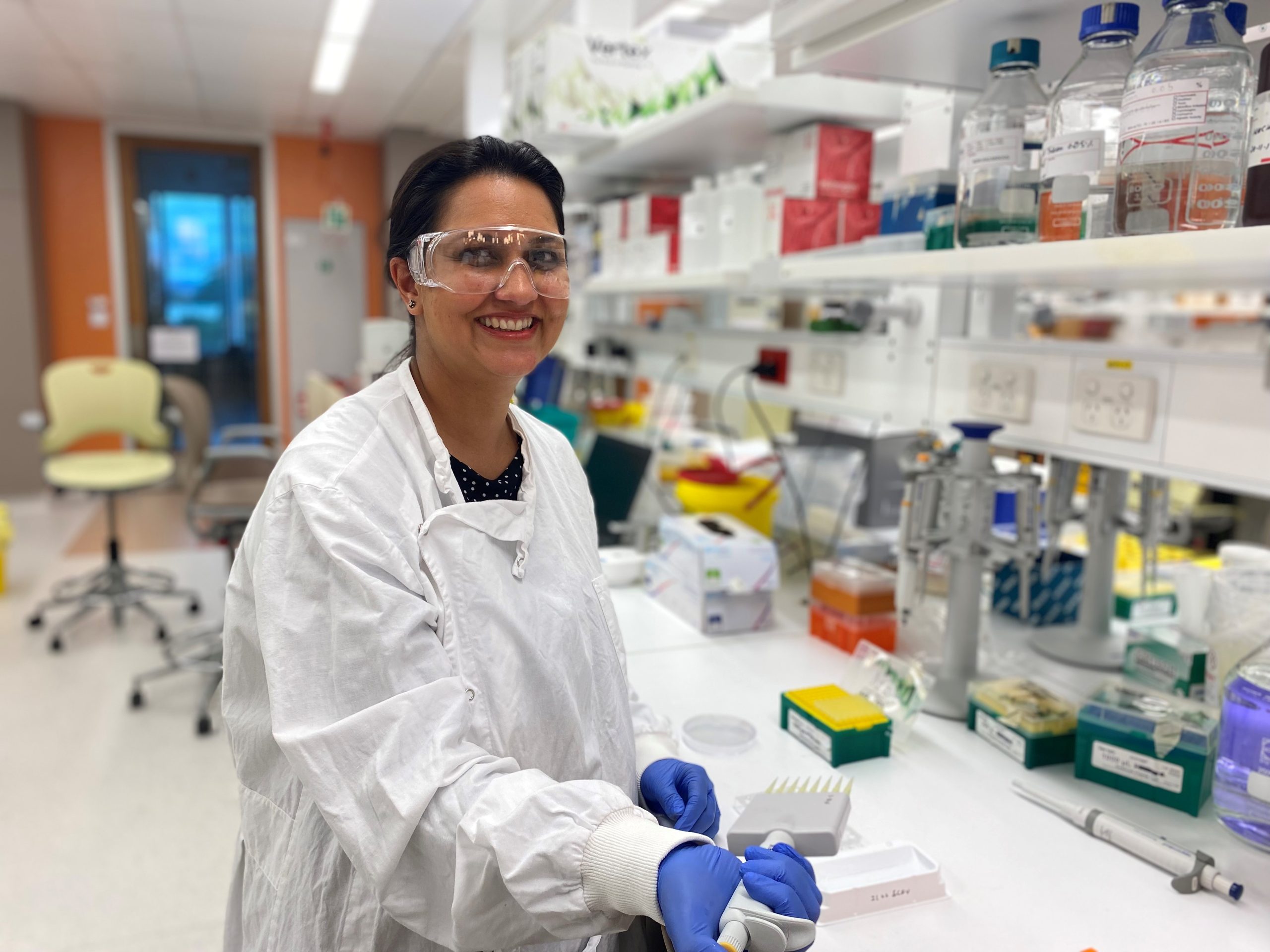
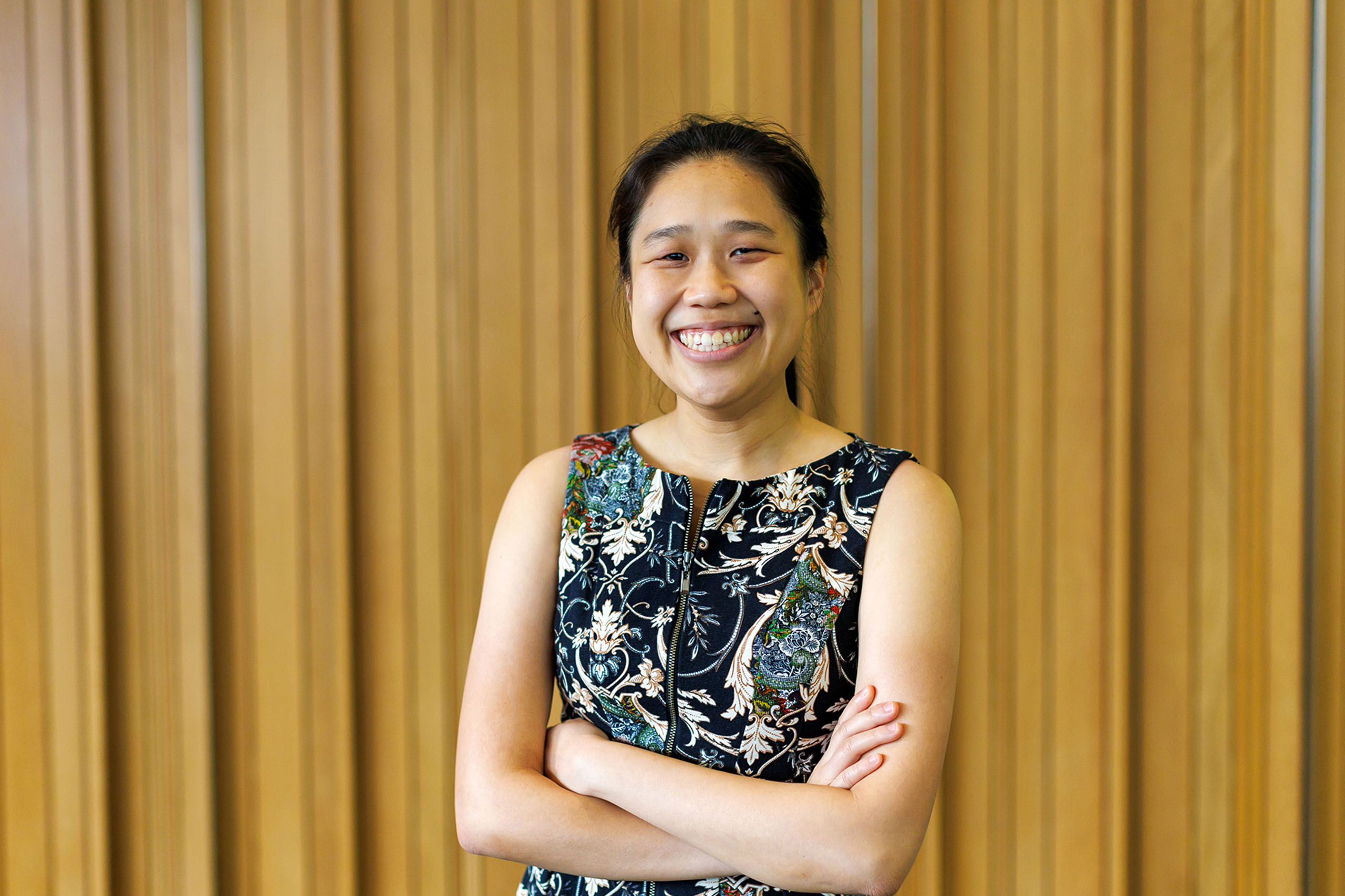
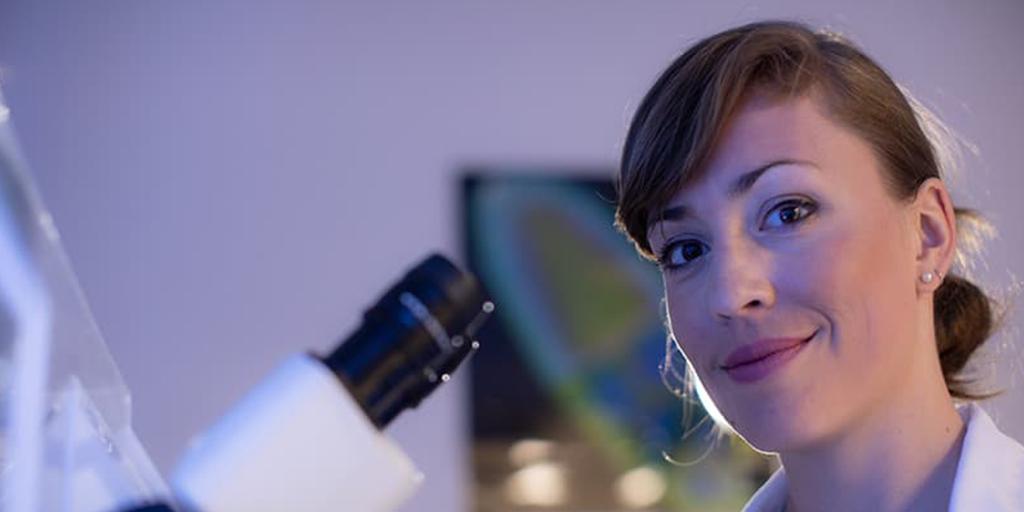
Mater Research and UQ lead author Dr Chloe Yap, who is based at TRI, said the study was part of a major shift in autism research.
“Biological autism research to date has largely been focused on improving autism diagnosis, as there’s no objective test for autism,” Dr Yap said.
“However, other research areas remain relatively neglected, despite being of great interest and direct importance to autistic people.
“Guided by these community priorities, we focused our work on co-occurring conditions that can create significant quality of life issues, such as sleep disturbances and feeding problems.”
The research investigated a panel, or lipidome, of 800 different fats in the blood plasma of 765 children, including 485 diagnosed with autism, and identified a potential causal link between reduced levels of long-chain polyunsaturated fatty acids – some of which are found in fish oil, eggs and meat – and poor sleep.
However, more work is required before clinical dietary recommendations can be made.
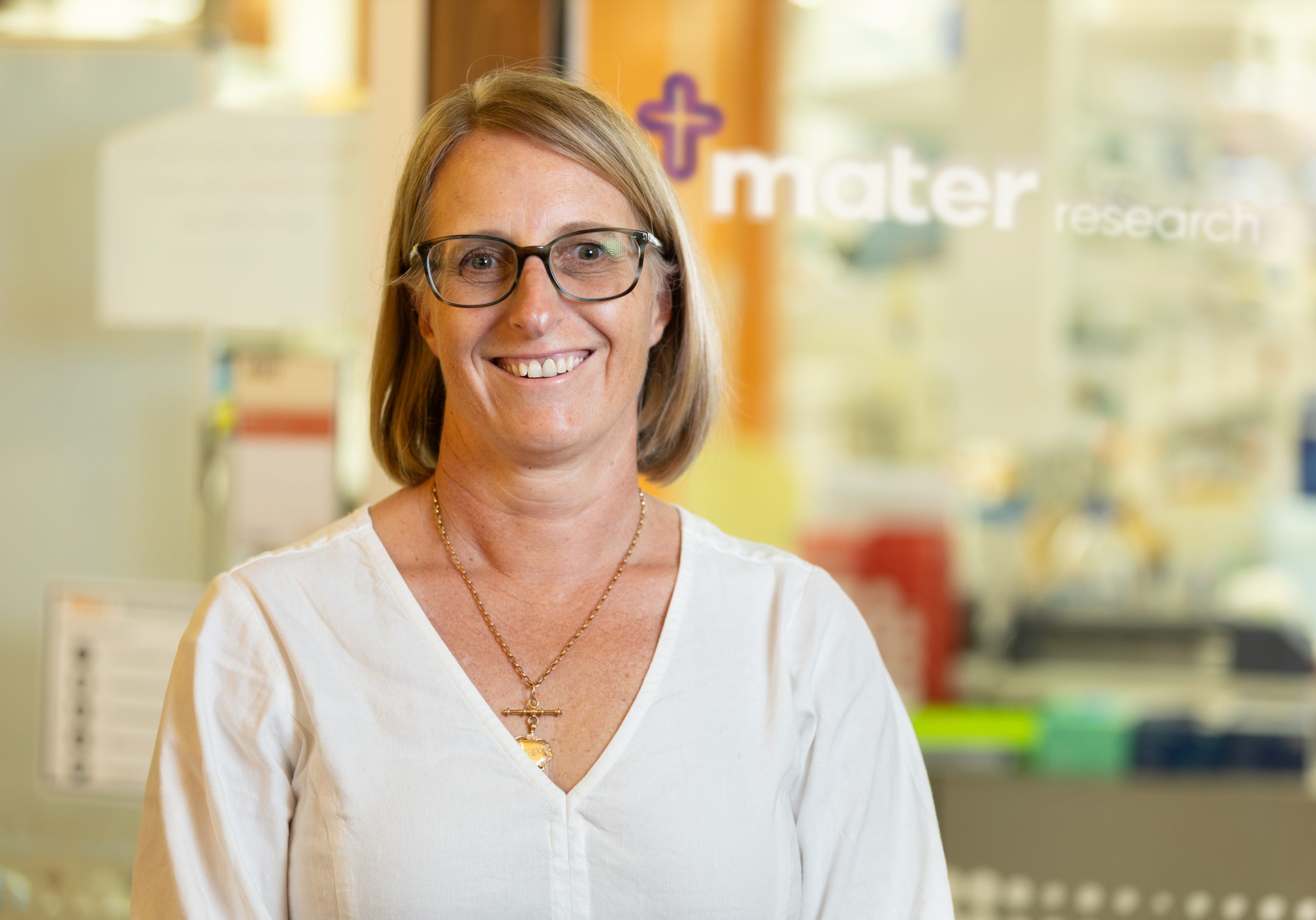
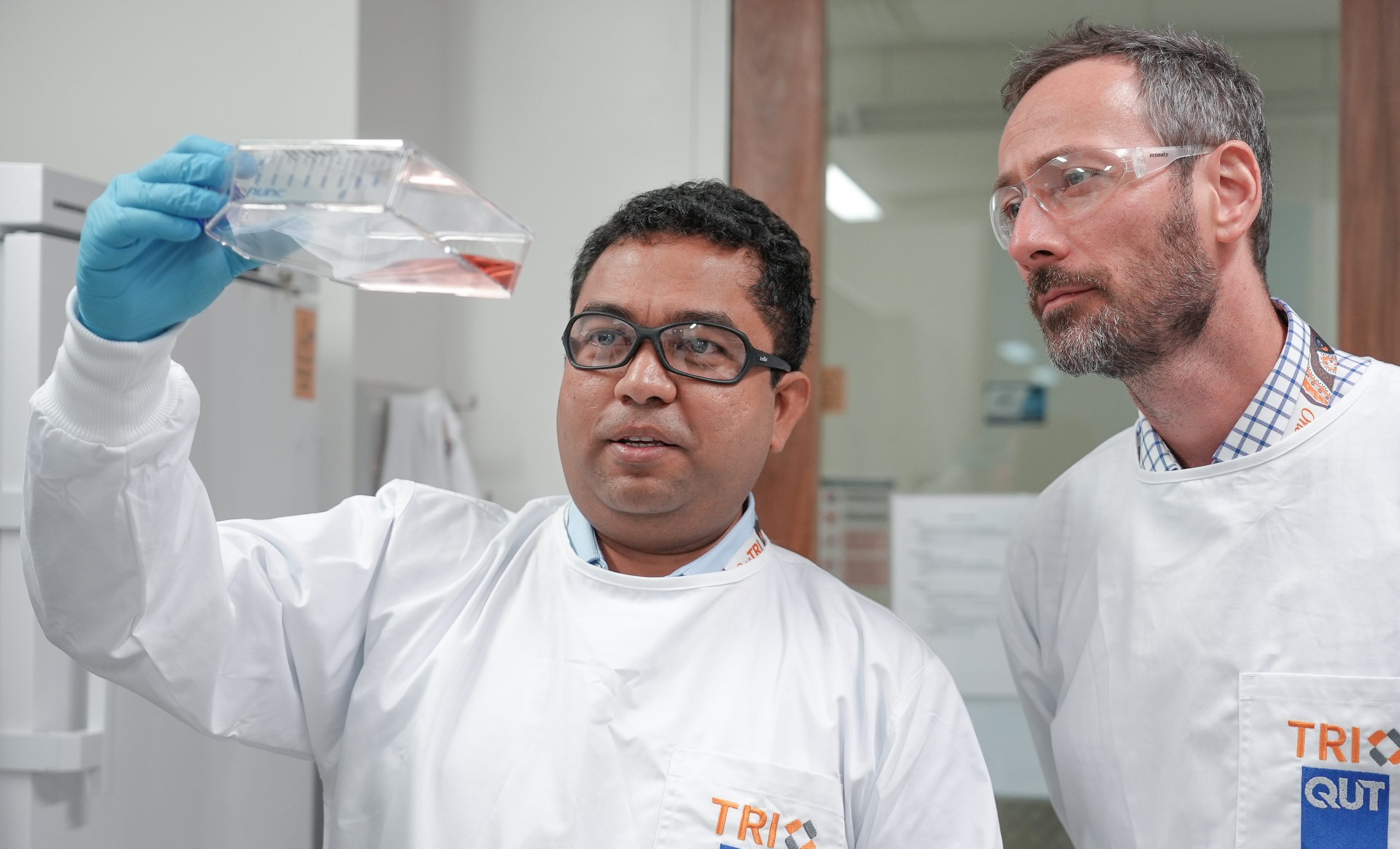
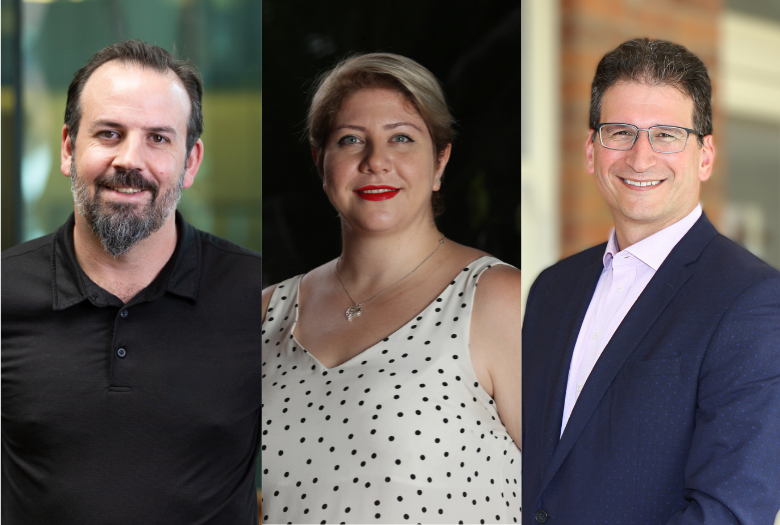
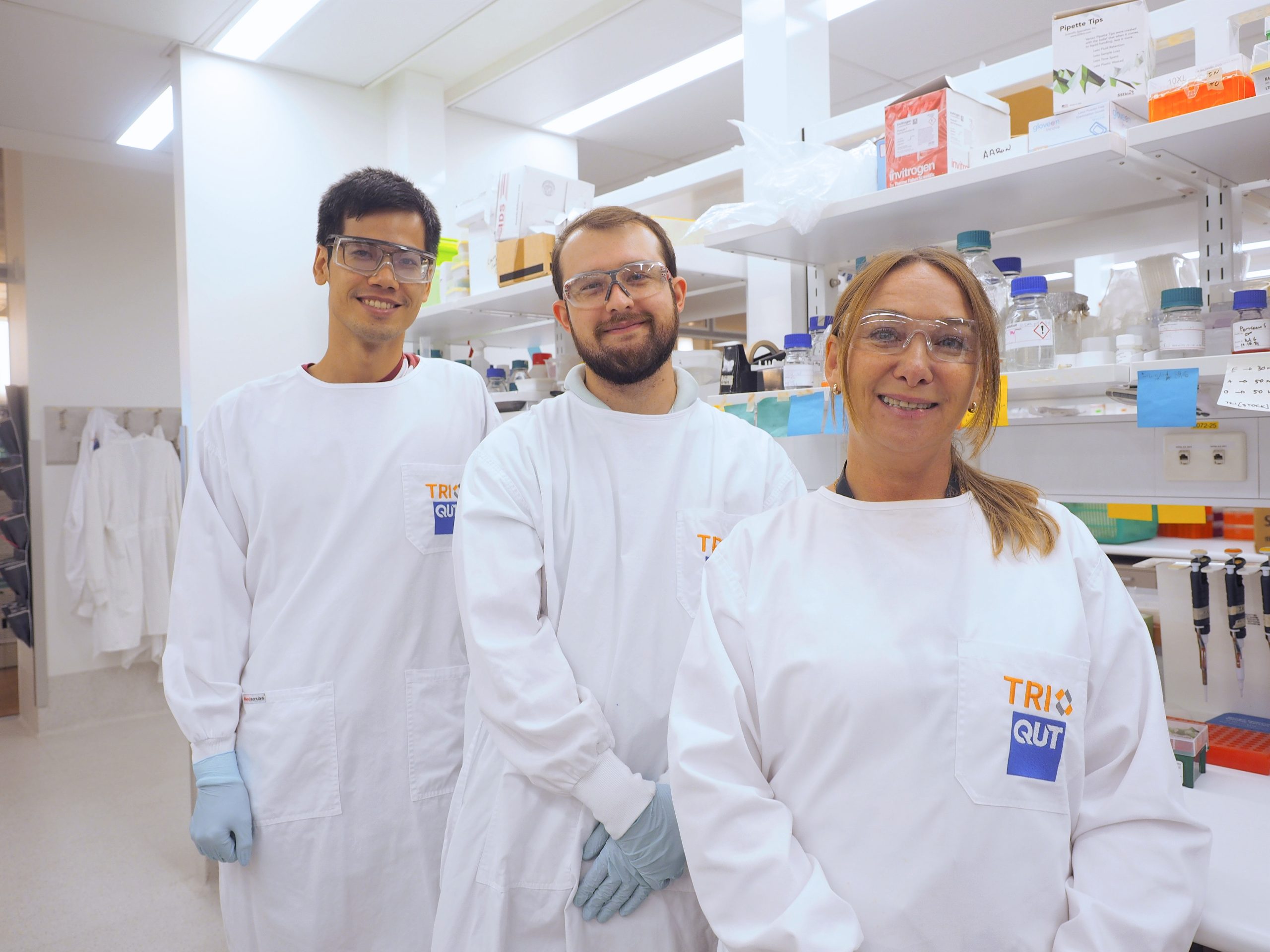
Mater Research senior author Associate Professor Jake Gratten, who is also based at TRI, said that the study also found that the lipidome signatures of children with poor sleep were similar to signatures of an unhealthy diet, offering a mechanism by which sleep problems contribute to poor health outcomes.
“This work highlights how important it is to screen for – and manage – sleep problems in children with neurodevelopmental differences to improve their long-term health,” Dr Gratten said.
“The next step is to investigate the links between sleep, diet and autism-related traits across infancy and childhood, to better understand the factors affecting brain development and, in turn, life outcomes such as education, employment and quality of life.”
The research efforts date back almost a decade, to when the Australian Autism Biobank was first conceived.
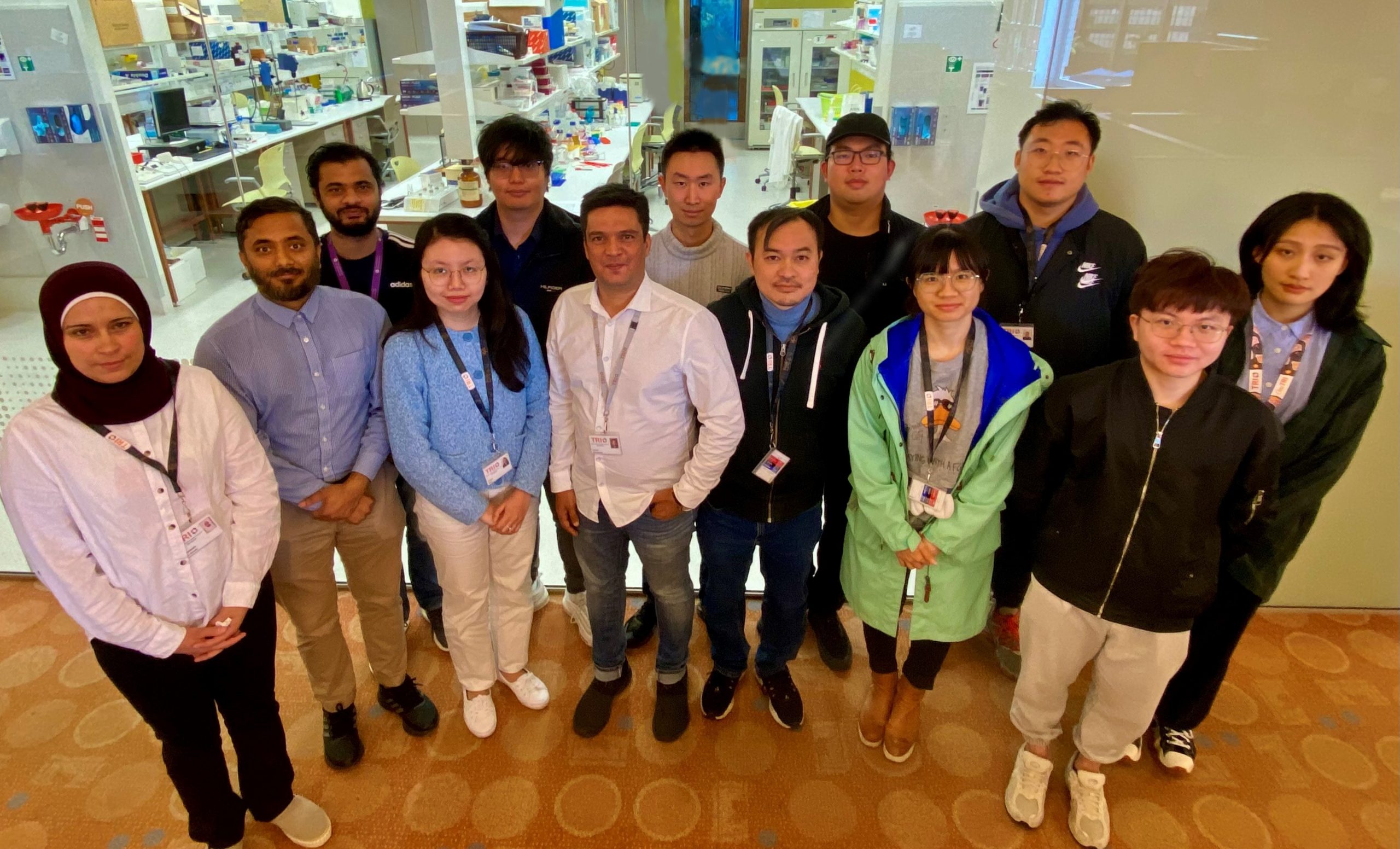
Dr Yap said the study, which was conducted in part at TRI, involved a unique collaboration between clinicians, the autism community and more than 40 researchers from Mater Research, UQ, Telethon Kids Institute, the University of New South Wales, La Trobe University, the Queensland Twin and Adolescent Brain Project and the Baker Heart and Diabetes Institute.
“Our findings are a testament to what can be achieved through collaboration between researchers and community groups,” Dr Yap said.
“In particular, we would like to thank the many autistic people and their families who generously contributed to this study, without whom this would not have been possible.”
The published paper:
Yap CX, Henders AK, Alvares GA et al. Interactions between the lipidome and genetic and environmental factors in autism. Nat Med 29, 936–949 (2023). DOI: doi.org/10.1038/s41591-023-02271-1
This story was originally published by Mater.