Funding for cancer, liver, brain and pain research
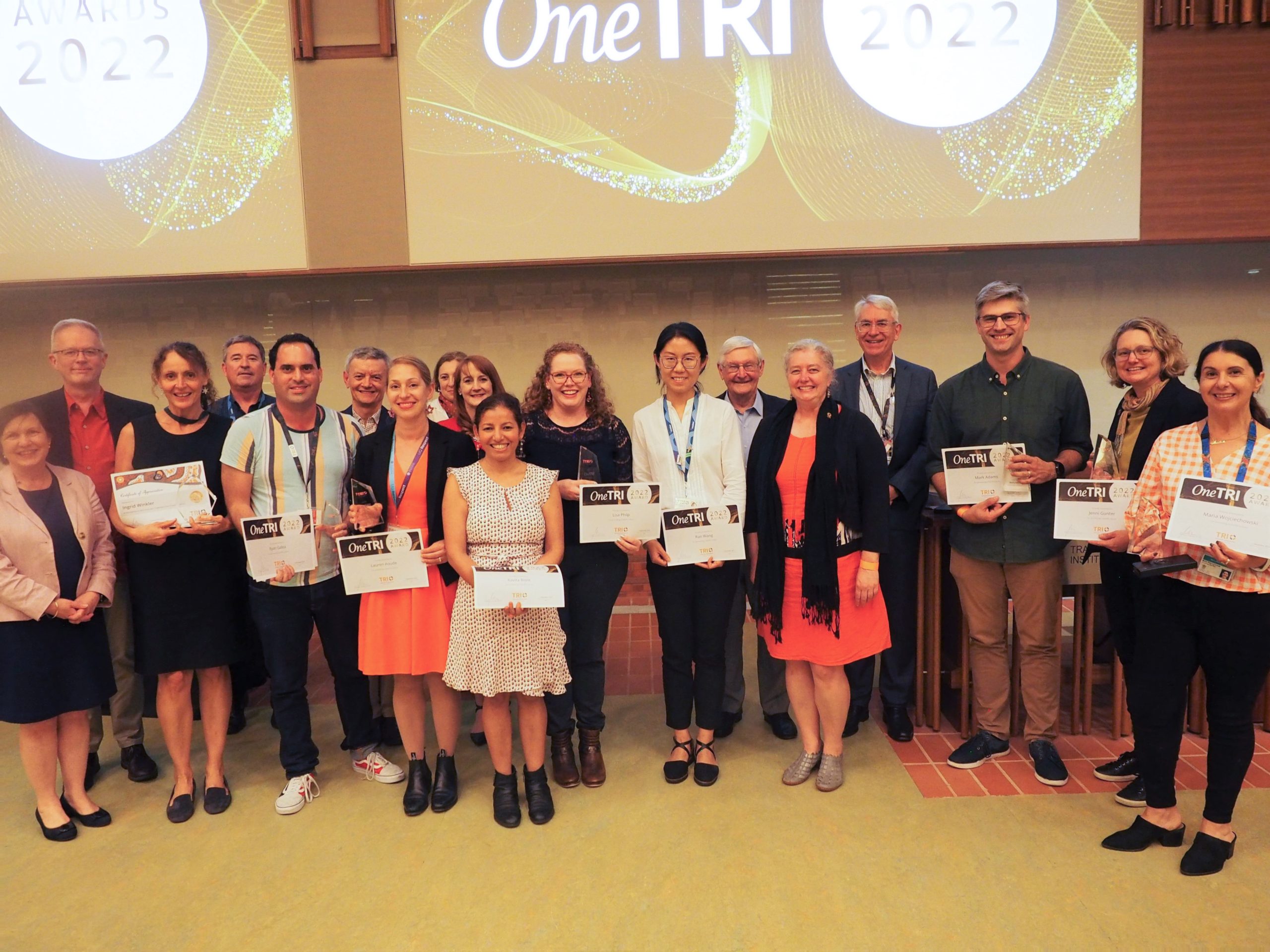
TRI-based researchers, industry tenants, collaborators and affiliates are sharing in more than $17million in the latest round of National Health and Medical Research Council (NHMRC) funding.
The support will fund research including projects in cancer, autoimmune diseases, liver health, neurodegenerative diseases and brain cell death,
chronic pain, and improving hospital care for frail people.
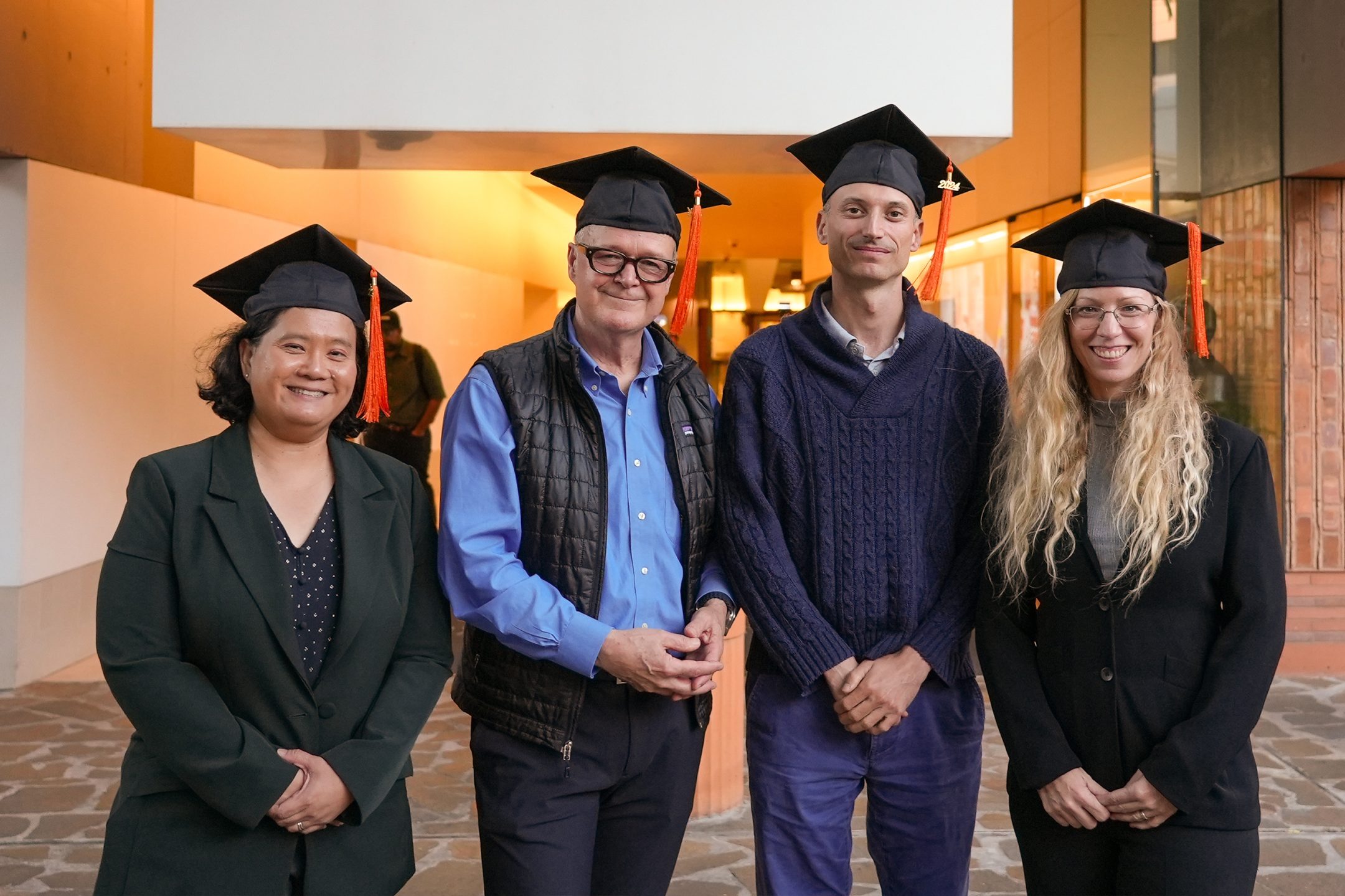
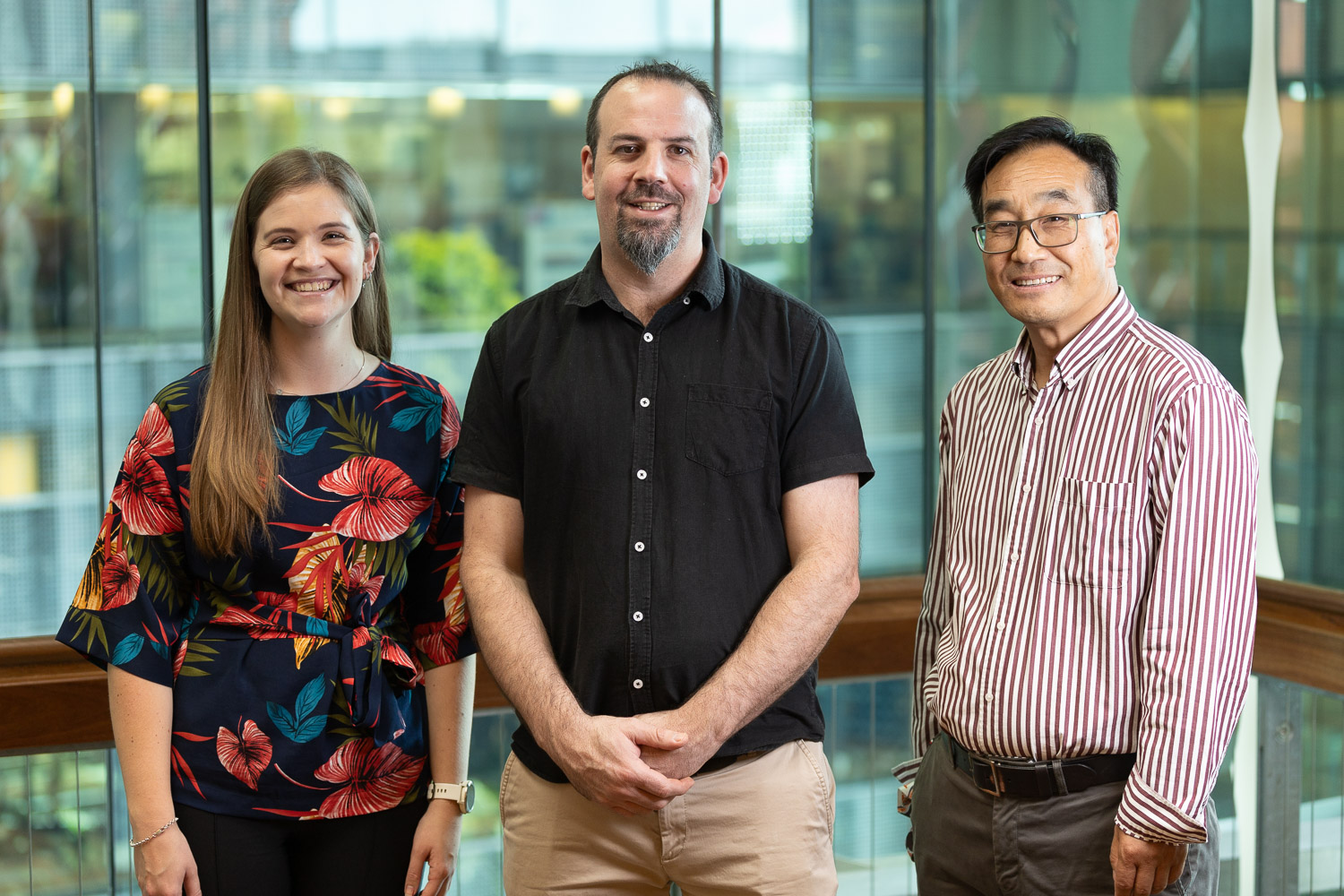
Two of the grant recipients, Dr Lauren Aoude and Associate Professor Aideen McInerney-Leo, are graduates of the Translation Pathways
Program, one TRI’s flagship educational offerings.
Investigator Grants provide the highest-performing researchers at all career stages with funding to pursue important new research directions as they arise, form collaborations or establish their own research programs.
Recipients include:
- Professor Glenn King, UQ: $2.9 million for a project entitled Venoms to drugs: translating venom peptides into human therapeutics
- Professor Geoffrey Faulkner, Mater Research: $2.9 million for a project entitled Mobile DNA decides neuronal fate in the normal and degenerative human brain
- Associate Professor Sumaira Hasnain, Mater Research: $2.7 million for a project entitled Unlocking the therapeutic potential of Interleukin-22
- Professor Monika Janda, UQ: $2.9 million for a project entitled Evidence generation for a national melanoma prevention and early detection strategy
- Dr Mitchell Stark, UQ: $1.6 million for a project entitled Exploration of the skin molecular ecosystem and early melanoma development
- Dr Lauren Aoude, UQ: $1.6 million for a project entitled Enabling precision medicine for oesophageal cancer patients
- Dr Pablo Canete, UQ: $599,400 for a project entitled Understanding how regulatory T cells control self-reactive B cells in autoimmune diseases.
Professor King said there were few medications for disorders of the nervous system, including intractable chronic pain and epilepsy that resulted from aberrant ion channel activity, and they often had debilitating side-effects.
“We are using animal venoms to develop potent and selective modulators of these ion channels as the next-generation of safe and effective pain killers and anti-epileptic drugs.”
Professor King is the co-founder of TRI-based start-up biomedical technology company Infensa Bioscience, which is developing therapeutics to treat stroke and heart attack.
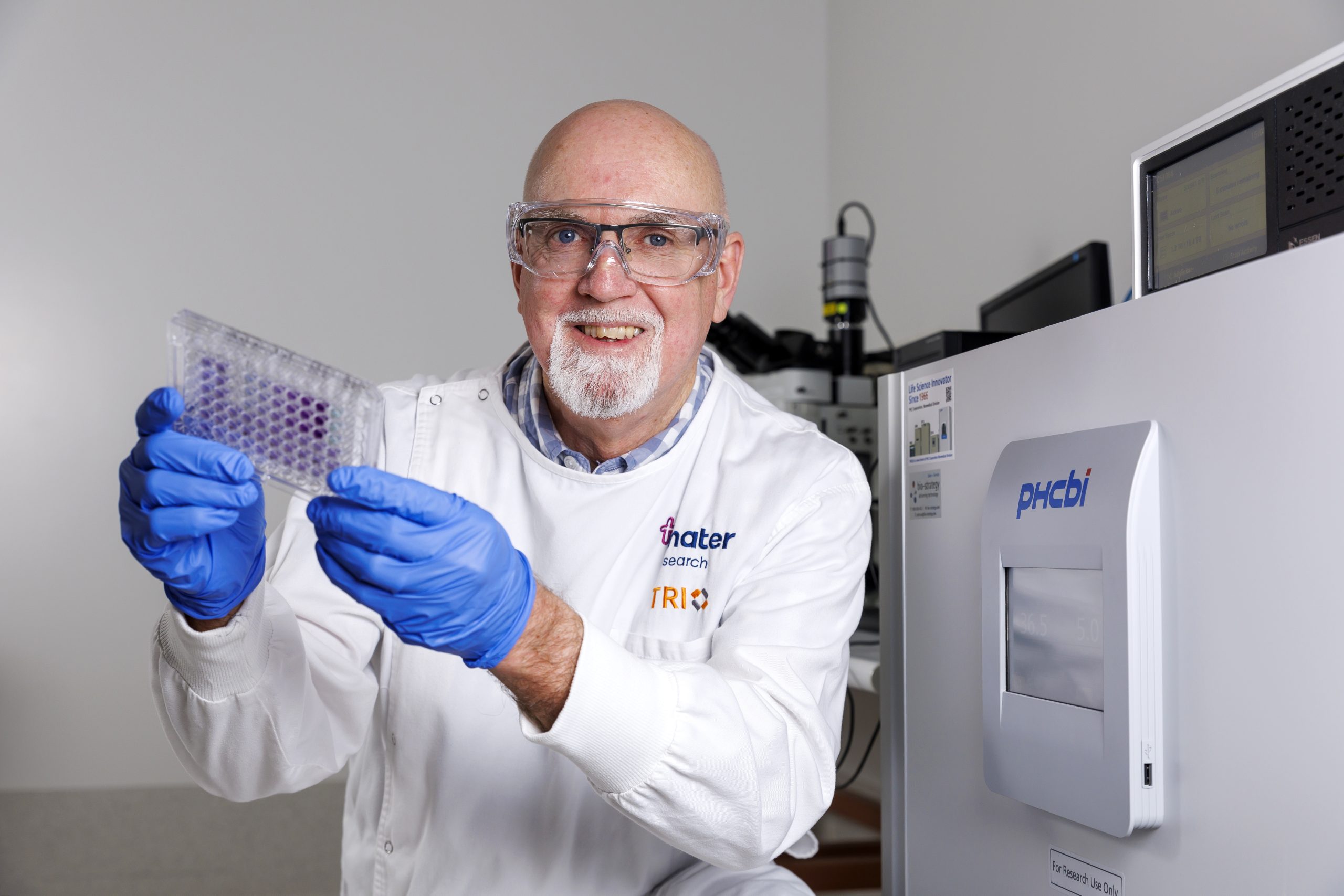
Associate Professor Hasnain will use her Investigator Grant to build on her previous work that discovered a factor released by our white blood cells, Interleukin-22, can suppress stress in cells.
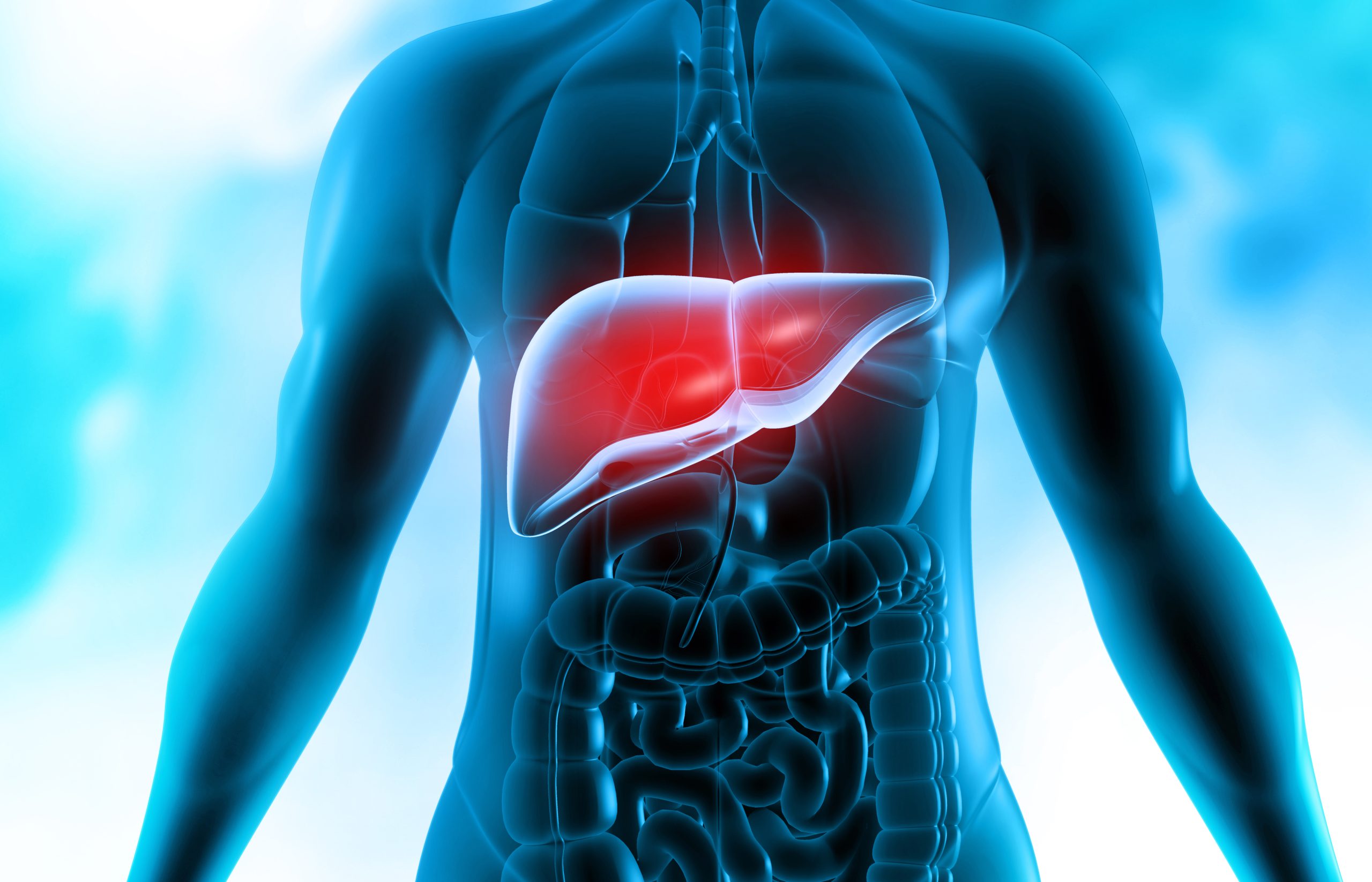
“I designed a pancreas and liver, targeted Interleukin-22, and applied it to models of metabolic disease. I have laid the groundwork to show that Interleukin-22 significantly improves liver health,” she said.
“This fellowship aims to build on this work and will allow me to gain key understanding of how Interleukin-22 suppresses stress and benchmark the therapy before we progress it into clinical trials.”
Partnership Projects are designed to inform health policy and improve patient outcomes.
Recipients include:
- Professor Ruth Hubbard, UQ: $1.4 million from a Partnership Project Grant for a project entitled Derivation, validation and implementation of a digital frailty index for acute care settings in Queensland
- Associate Professor Aideen McInerney-Leo, UQ: $1.1 million from a Partnership Project Grant for a project entitled Melanoma population screening: using genomics to facilitate risk stratification.
Associate Professor McInerney-Leo said melanoma was the third most commonly diagnosed cancer in Australia, but population-wide screening was not feasible.
“Targeted screening of high-risk individuals is economically viable and improves patient outcomes,” she said.
“We will collaborate with industry and consumers to create personalised risk scores based on genetic and skin damage data. After evaluating impact on consumers, and health economic data, policy experts will determine whether this model meets Australian population screening criteria.”