Study into new osteoporosis fracture therapy
Osteoporosis causes the weakening and thinning of bones, and osteoporosis fractures, especially of the hip, are known to triple the mortality rate among women and double the rate among men.
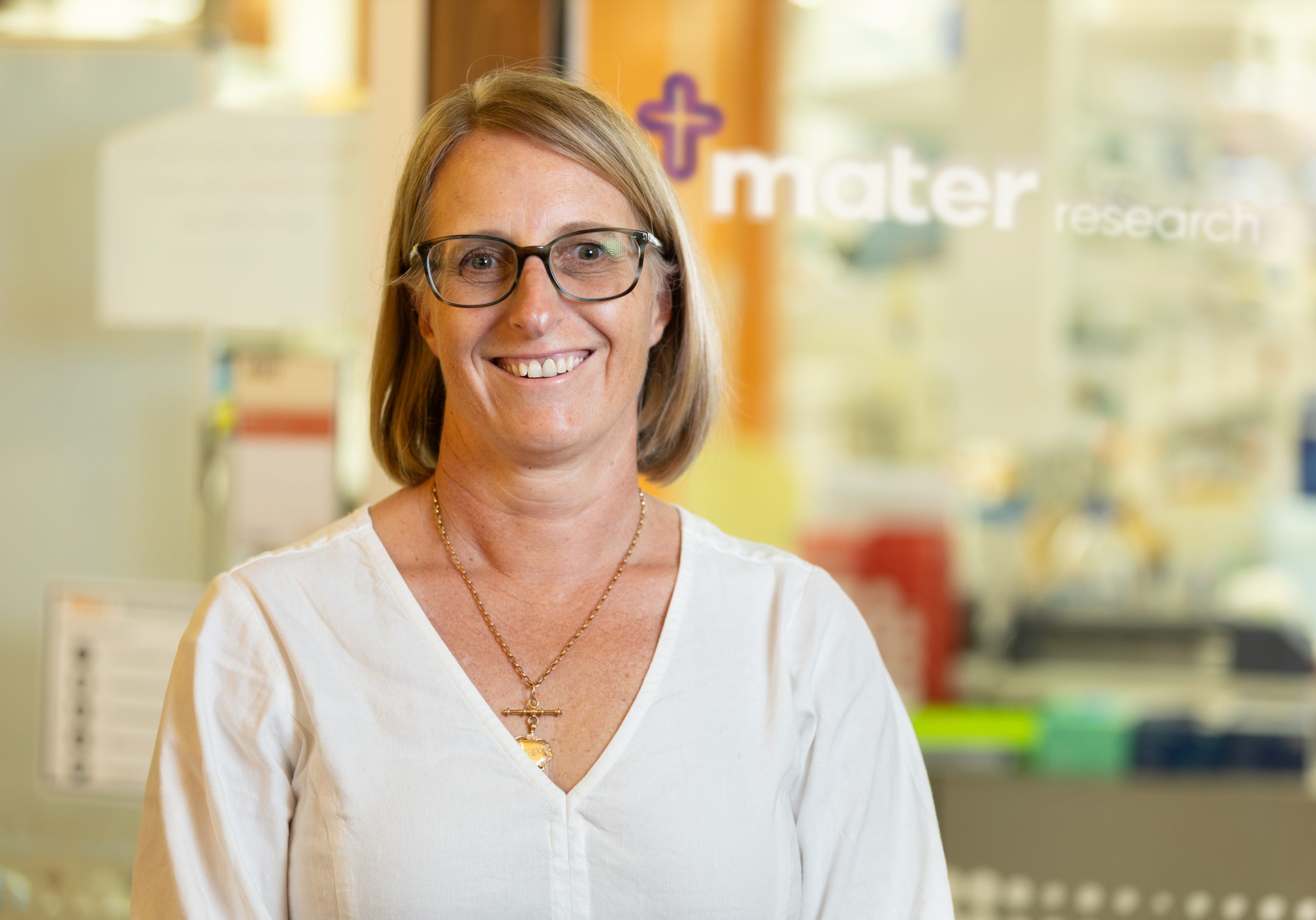
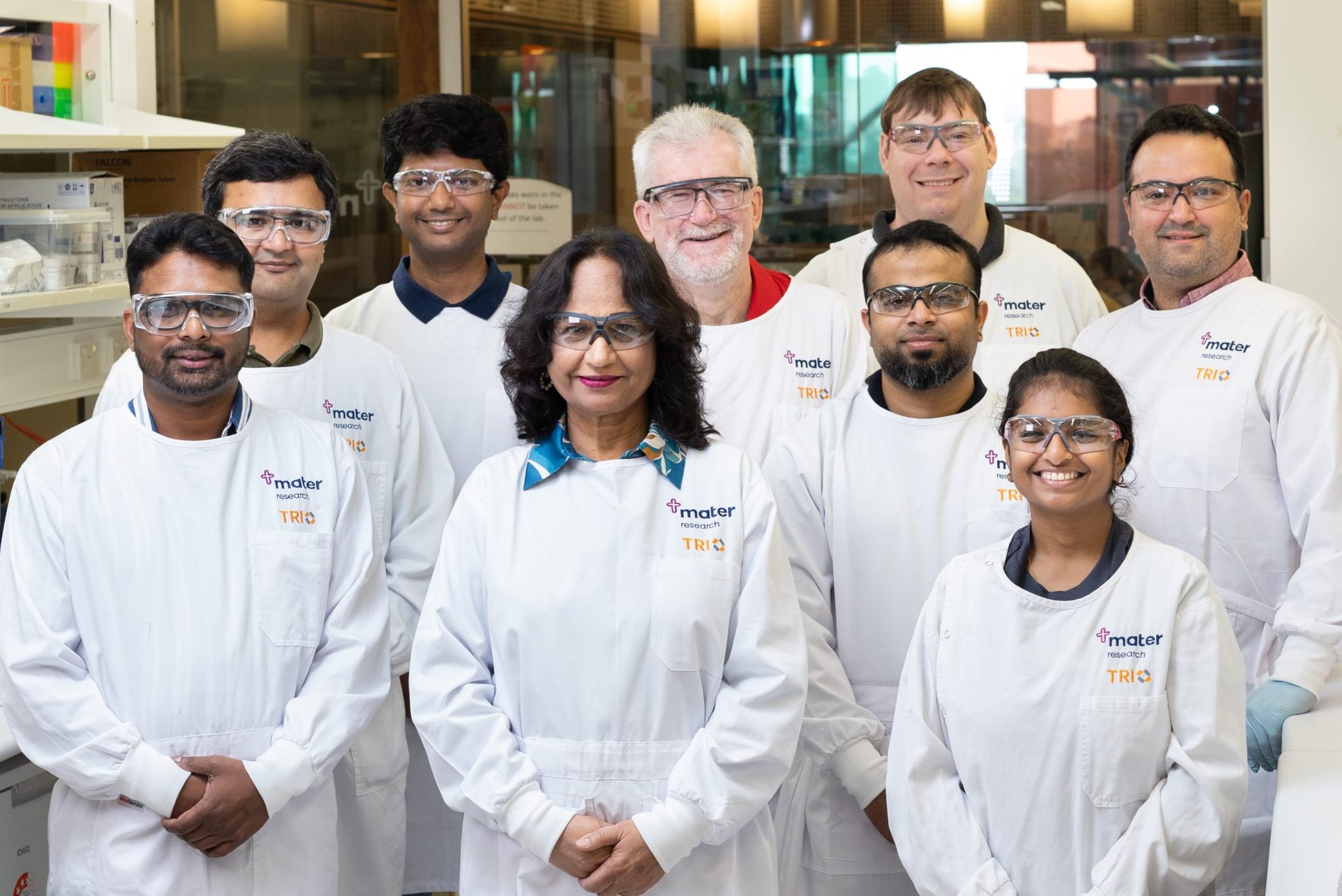
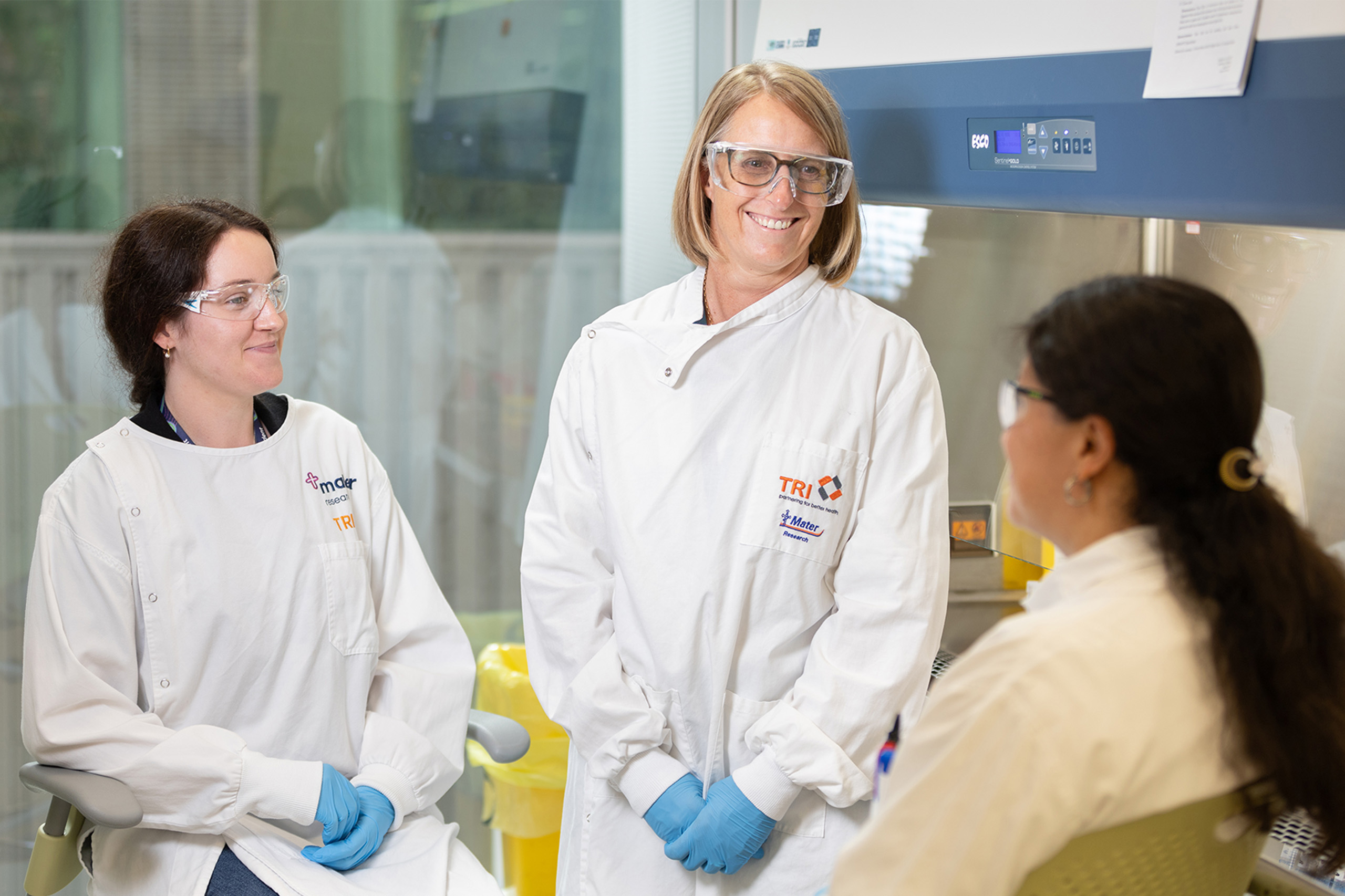
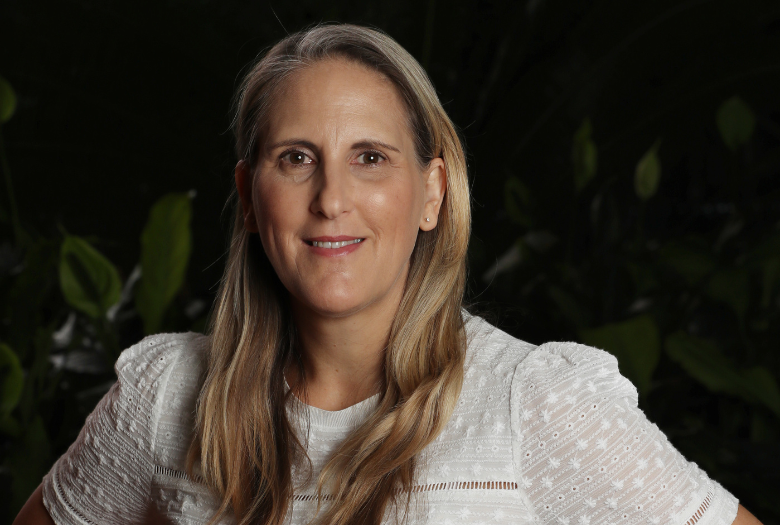
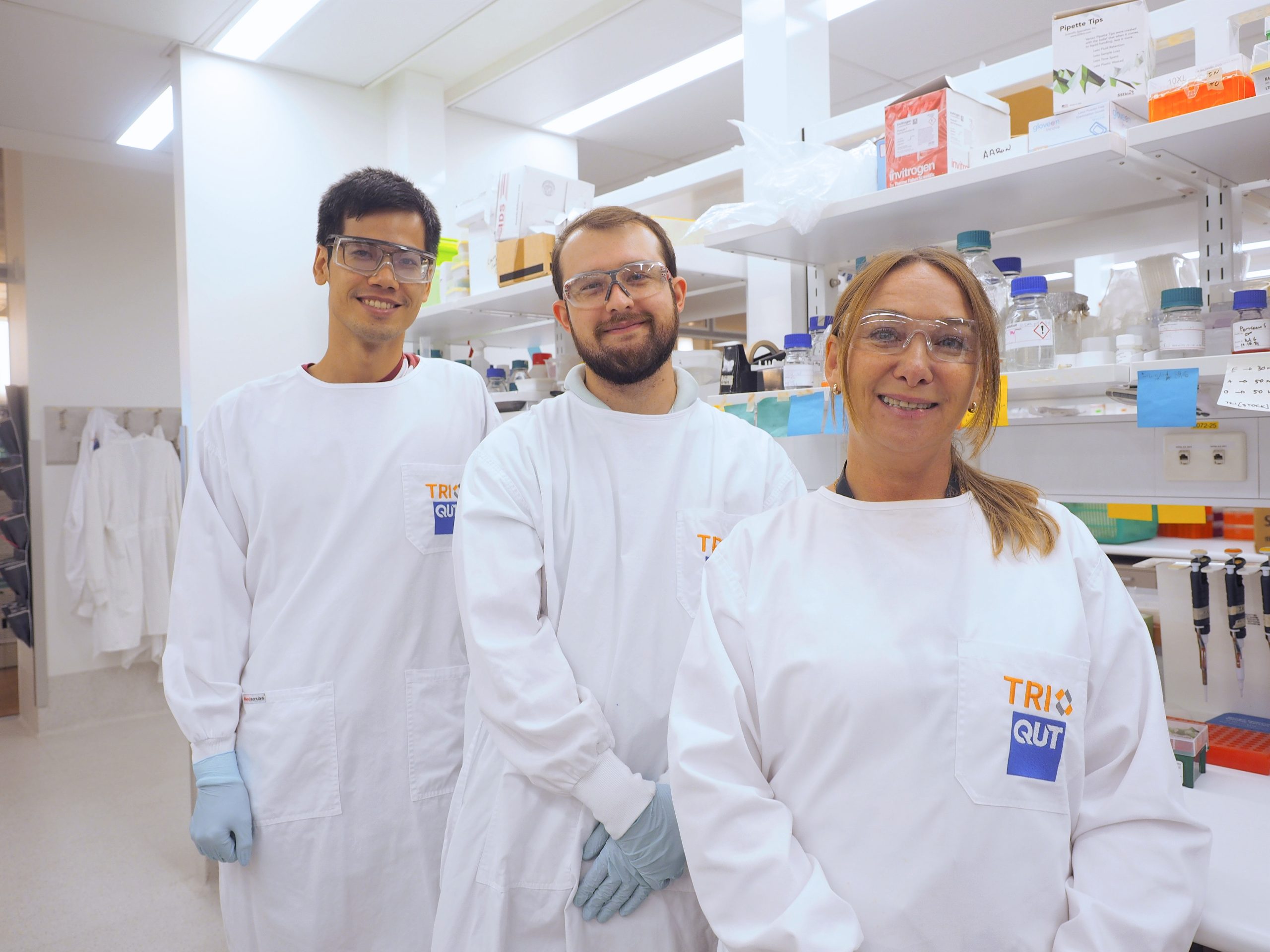
Research led by Professor Allison Pettit, Director of Biomedical Research at Mater Research and Bones and Immunology Group Leader, found that specialised immune cells that reside in bone, osteal macrophages, can promote the formation of new bone and enable fractures to heal normally.
“The risk of fragility fractures starts to dramatically increase from the age of 50 and the consequences can be very serious,” Professor Pettit said.
“Up to half of fragility fractures fail to heal normally, even with the optimal care, and that typically leads to a loss of independent living and a higher risk of mortality.
“There are currently no broadly applicable therapeutics that can be used to enhance the healing of complex fractures or overcome failed repair of fragility fractures – but this research has exposed a promising therapeutic strategy to reduce the impact of osteoporotic fracture.”
“This discovery has the potential to help those with osteoporosis recover from fractures and continue to lead active and independent lives.”
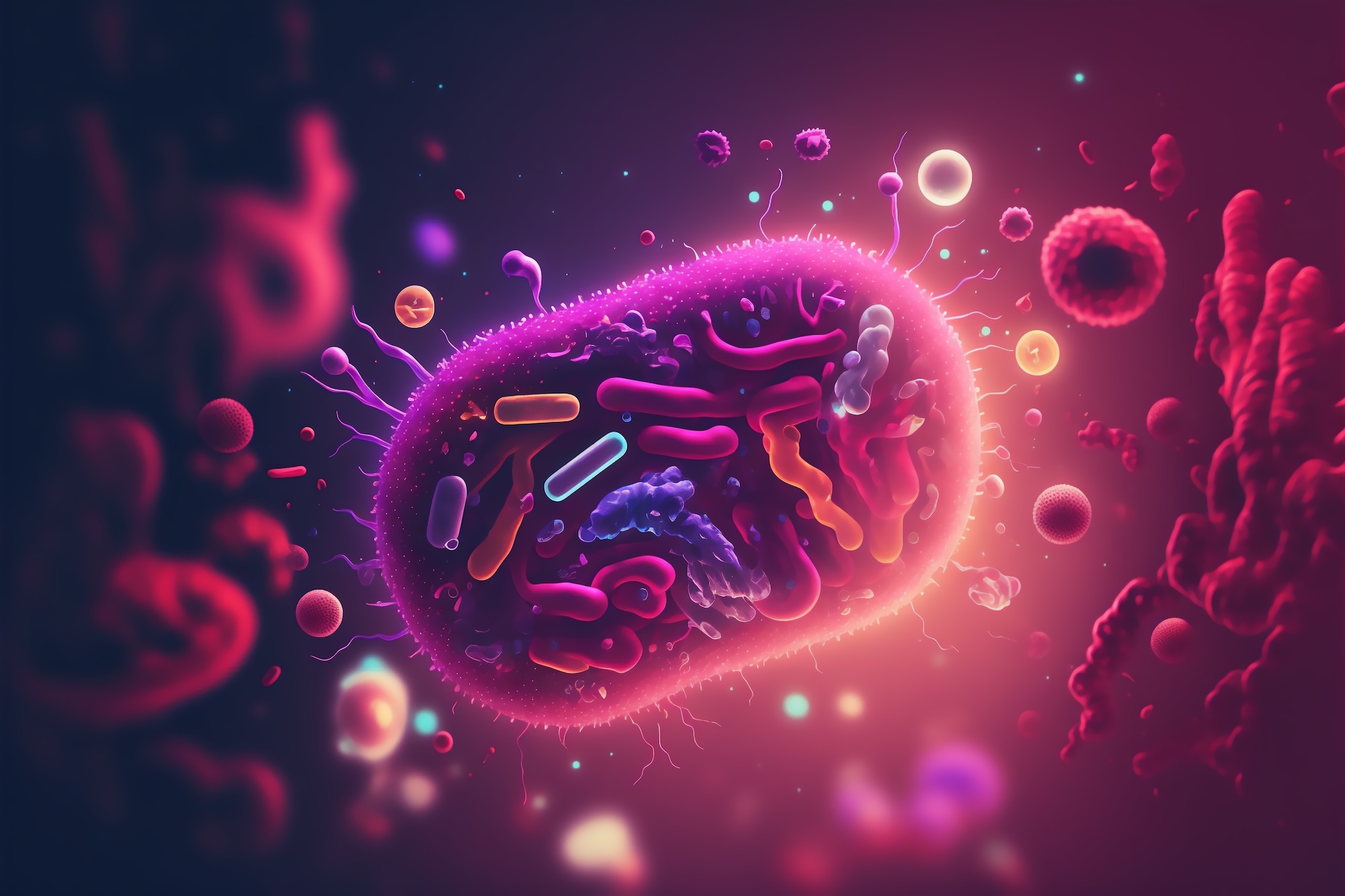
The team’s research found that osteal macrophages promote the formation of bone and play a critical role in supporting the complex biological processes that occur to achieve fracture healing.
The team then investigated whether enhancing the number of macrophages and their function could improve fracture healing outcomes.
Researchers used an experimental biologic drug to increase macrophage number and function –resulting in enhanced healing in both healthy bones and fragility fractures.
“Further research is needed to continue to translate this discovery from preclinical models to human patients, but we have provided proof-of-concept that this is an effective therapy to promote bone regeneration in both healthy and osteoporotic fractures,” Professor Pettit said.
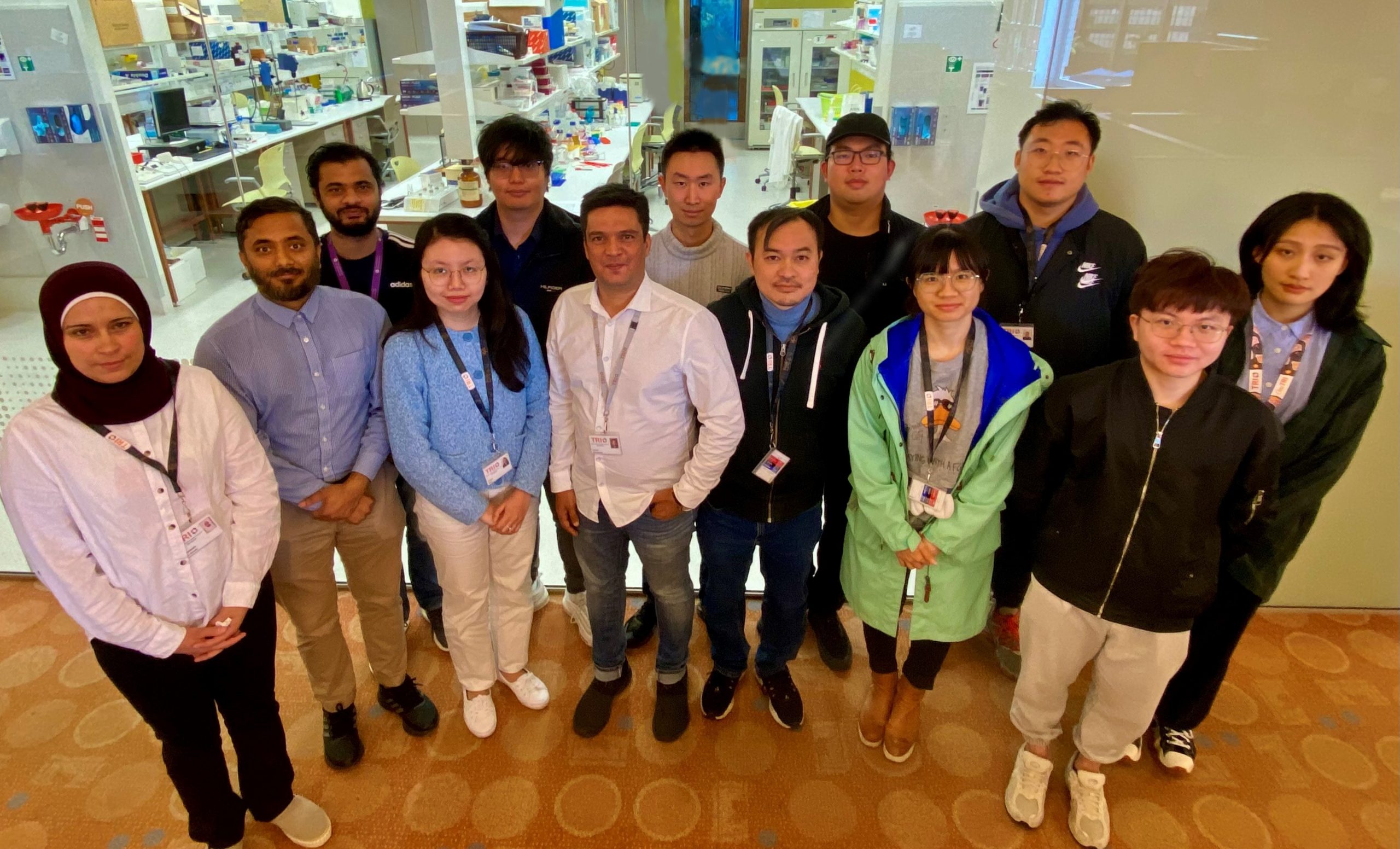
The research was supported by the Mater Foundation, the National Health and Medical Research Council, The University of Queensland and Australian Research Council and was conducted at TRI.
The published paper:
This story was originally published by Mater.