Smarter AI for skin cancer care
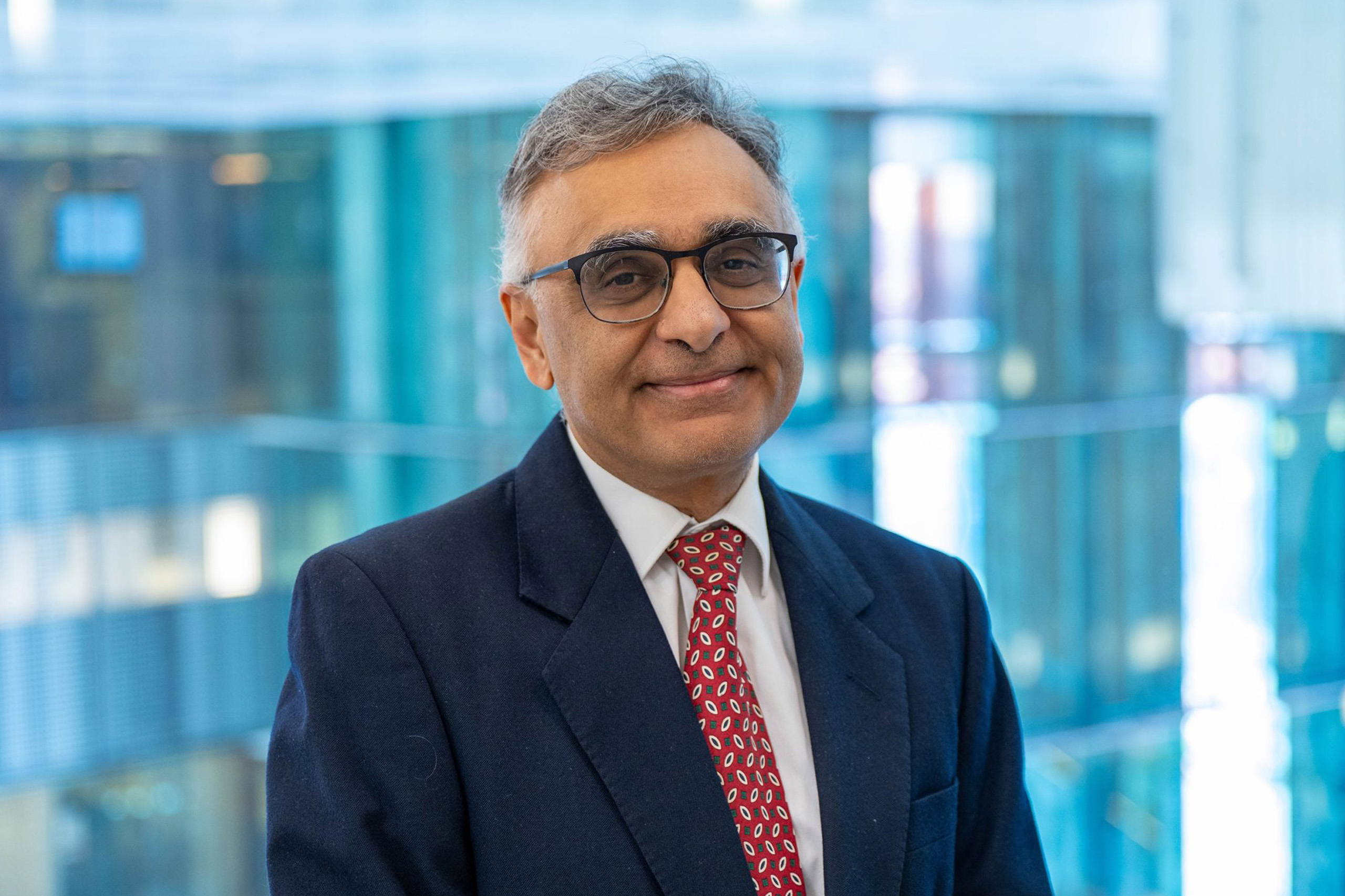
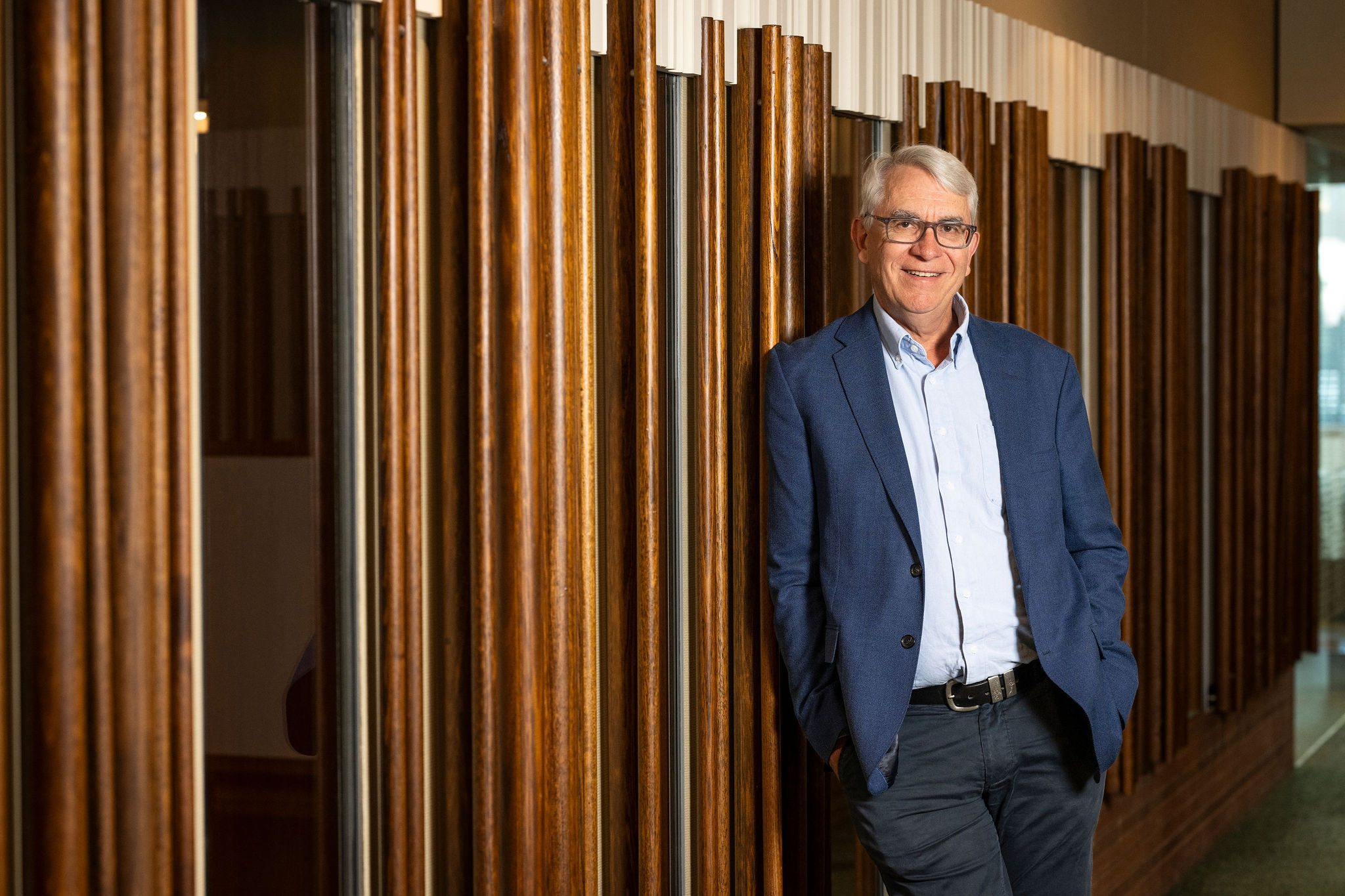
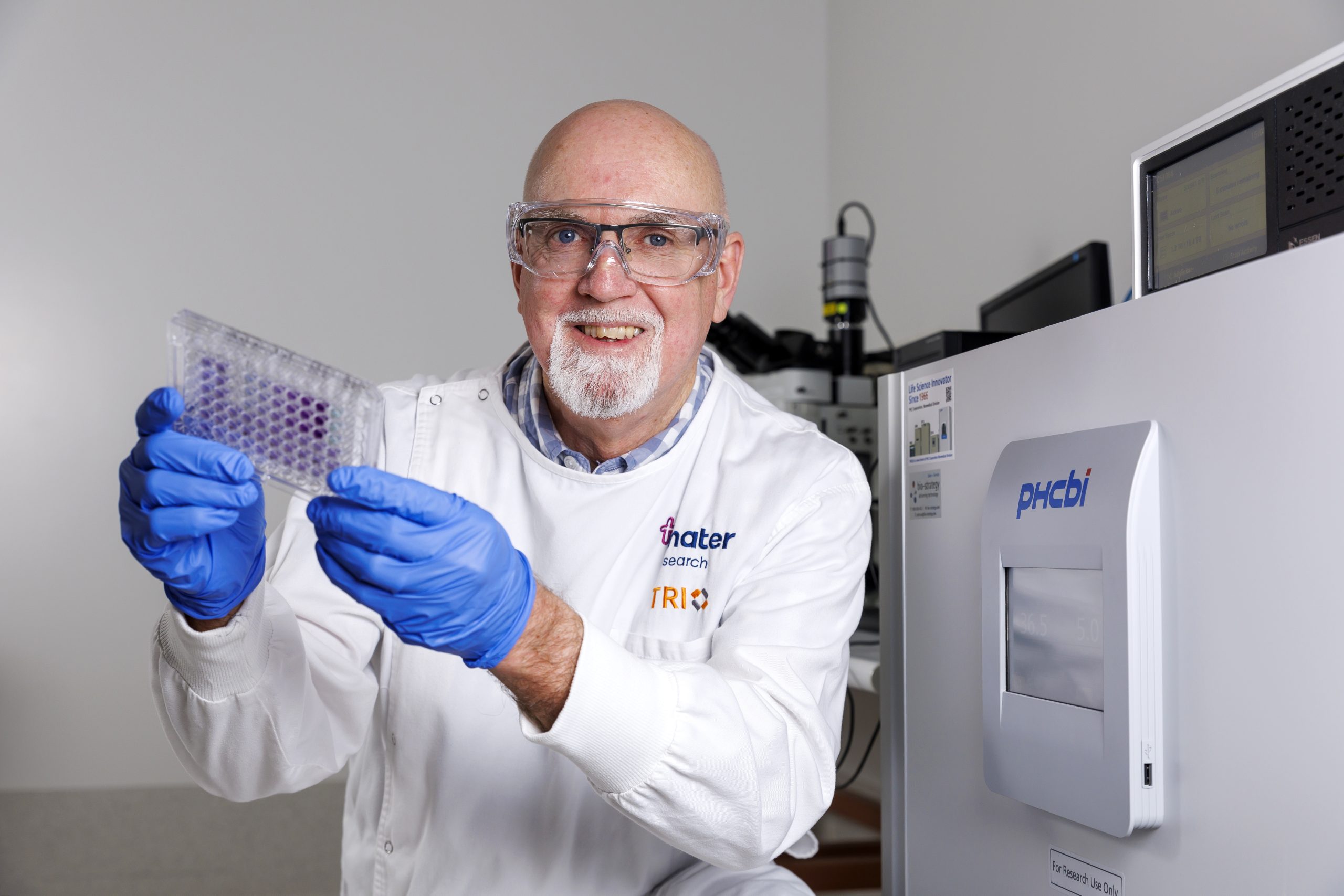
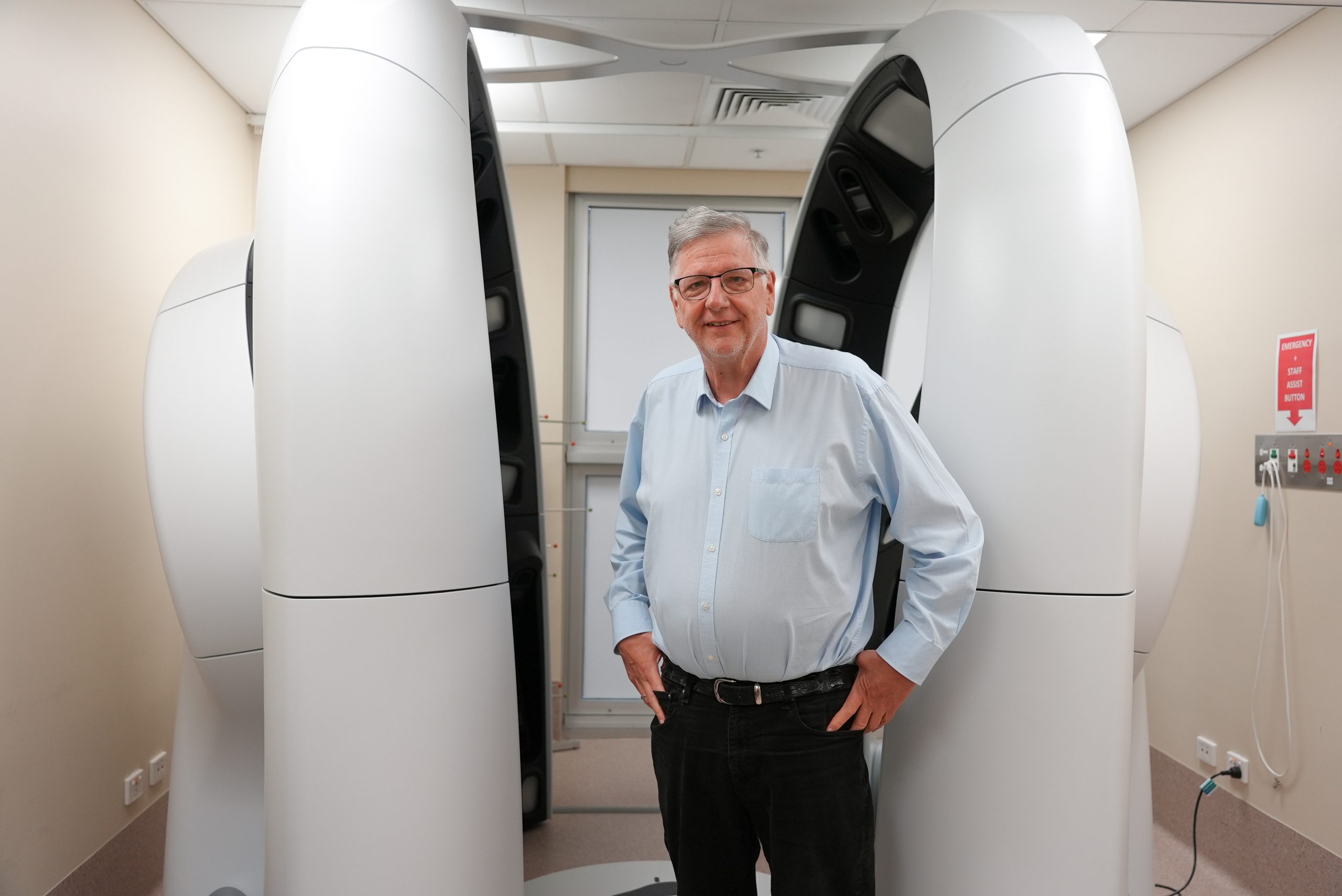
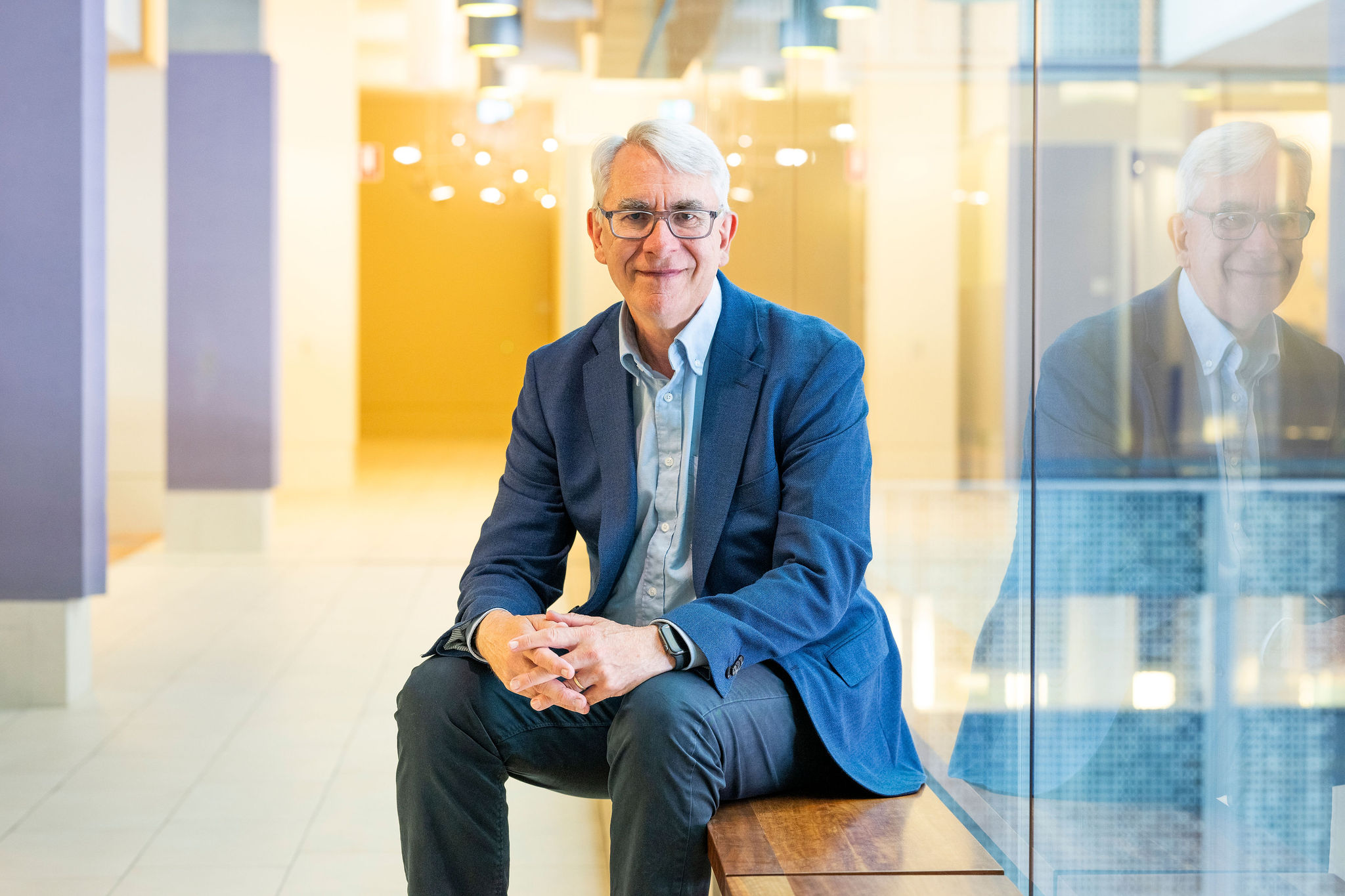
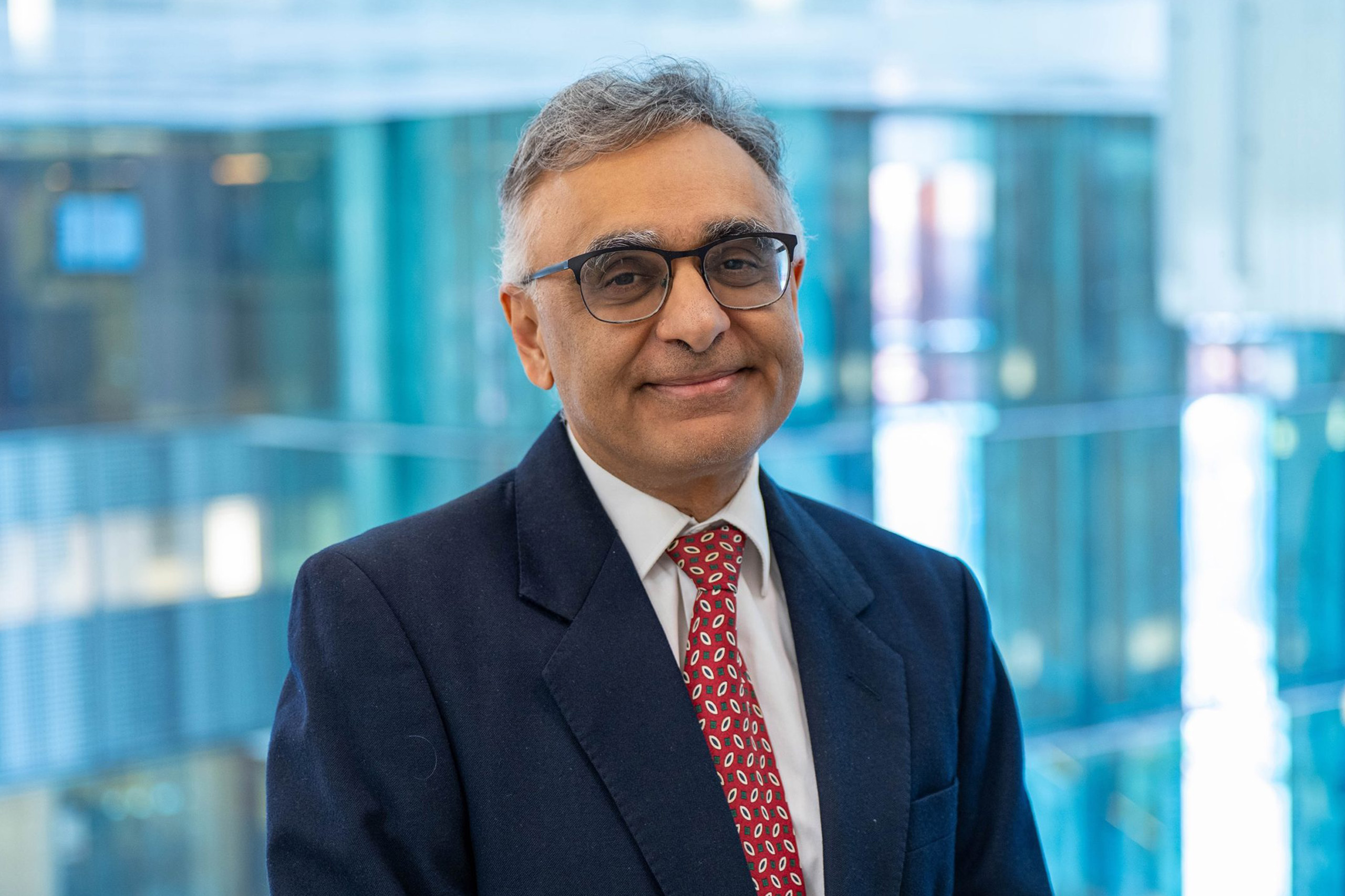
TRI-based Professor Peter Soyer, Director of the Dermatology Research Centre (DRC) at UQ’s Frazer Institute, was one of 10 expert dermatologists who worked on the project by providing reward tables and thresholds for different clinical scenarios.
Professor Soyer said reward tables acted as a reinforcement learning tool, embedding the preferances of both patients and clinicians into the AI-system.
“Through reinforcement learning, an algorithm then receives feedback on whether an action was correct, neutral or incorrect and then decides from these outcomes which action to take next.”
“Medical scenarios are often complex but, when clinicians can rely on AI to provide more realistic and nuanced suggestions, they can make better care management decisions.
“Our work mainly focused on skin cancer diagnosis, but the basic ideas could be used in many other areas of medical decision making for better patient outcomes.”
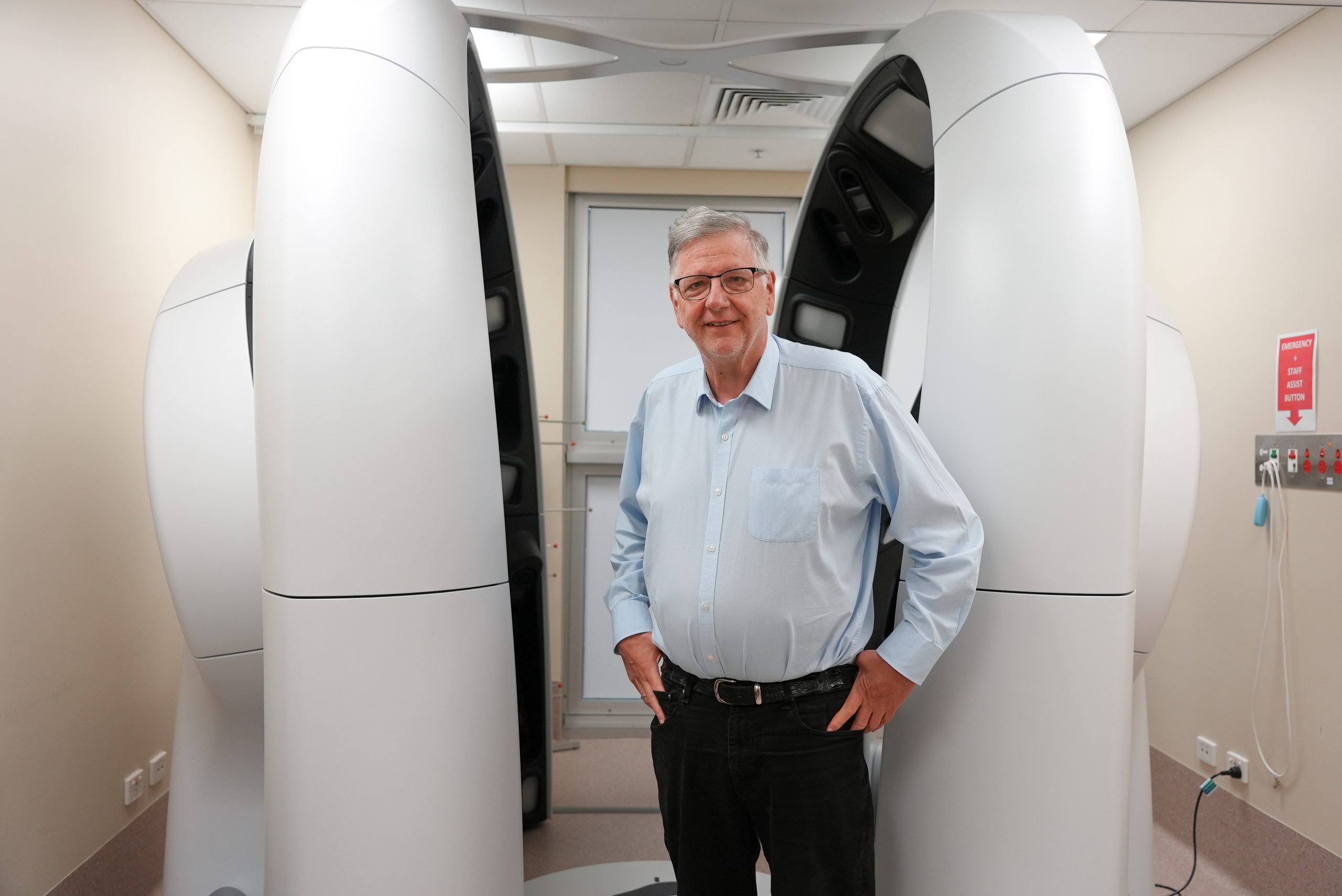
UQ Faculty of Medicine’s Professor Cliff Rosendahl provided dermatoscopy images for the dataset which was used to train the AI and test the machines and humans involved in the studies.
He said the incorporation of patient preferences could lead to greater acceptance of AI in medical practice.
“As healthcare shifts towards a more patient-centred approach, the creation of reward tables should involve both doctors and patients,” Professor Rosendahl said.
“This collaborative approach allows for more personalised care. In addition, the transparency offered by reward tables helps make AI decisions more understandable, which is key to gaining trust in these new systems.”
The published paper:
Barata C, Rotemberg V, Codella NCF et al. A reinforcement learning model for AI-based decision support in skin cancer. Nat Med 29, 1941–1946 (2023). doi.org/10.1038/s41591-023-02475-5