Better patient outcomes the focus of new LINC grants
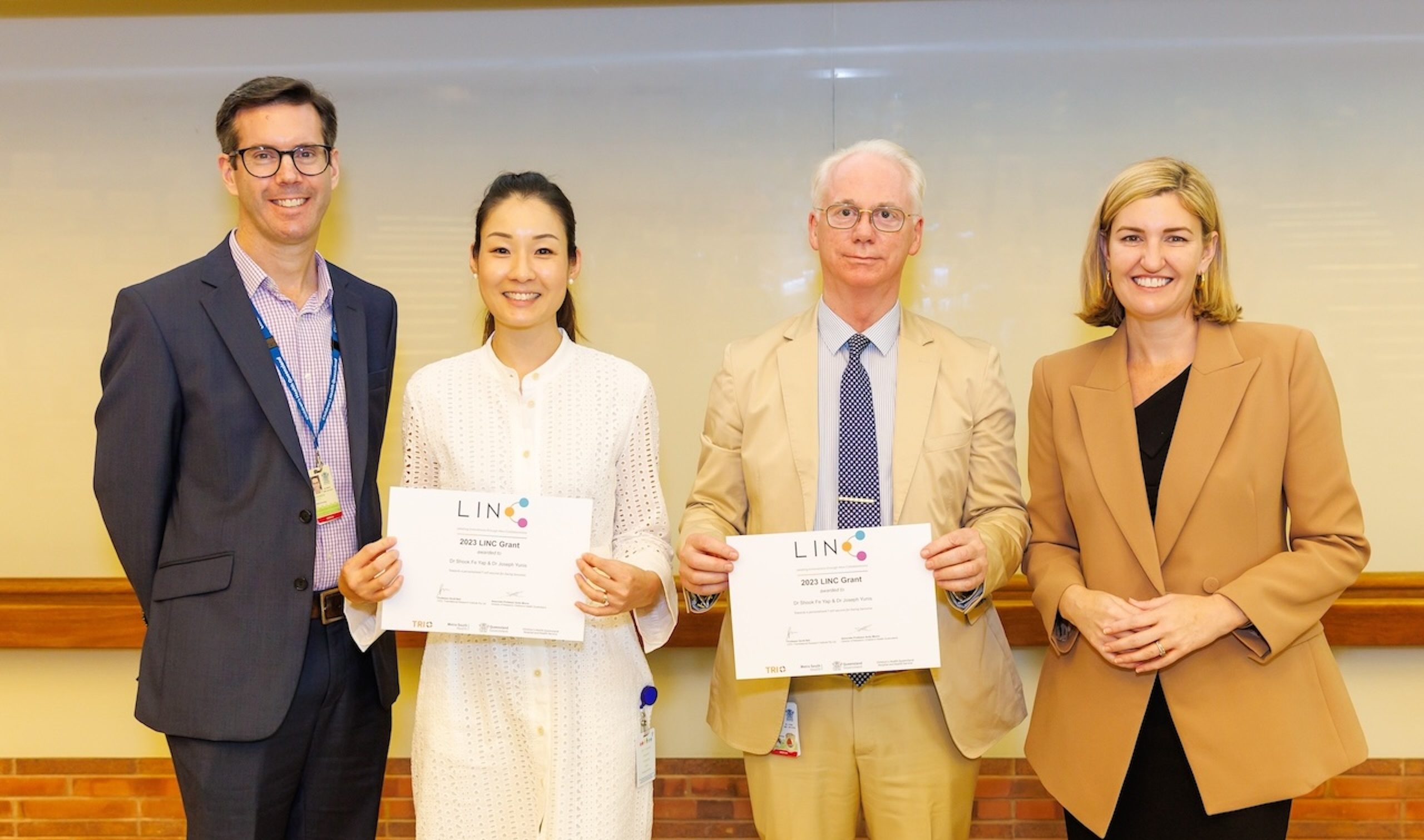
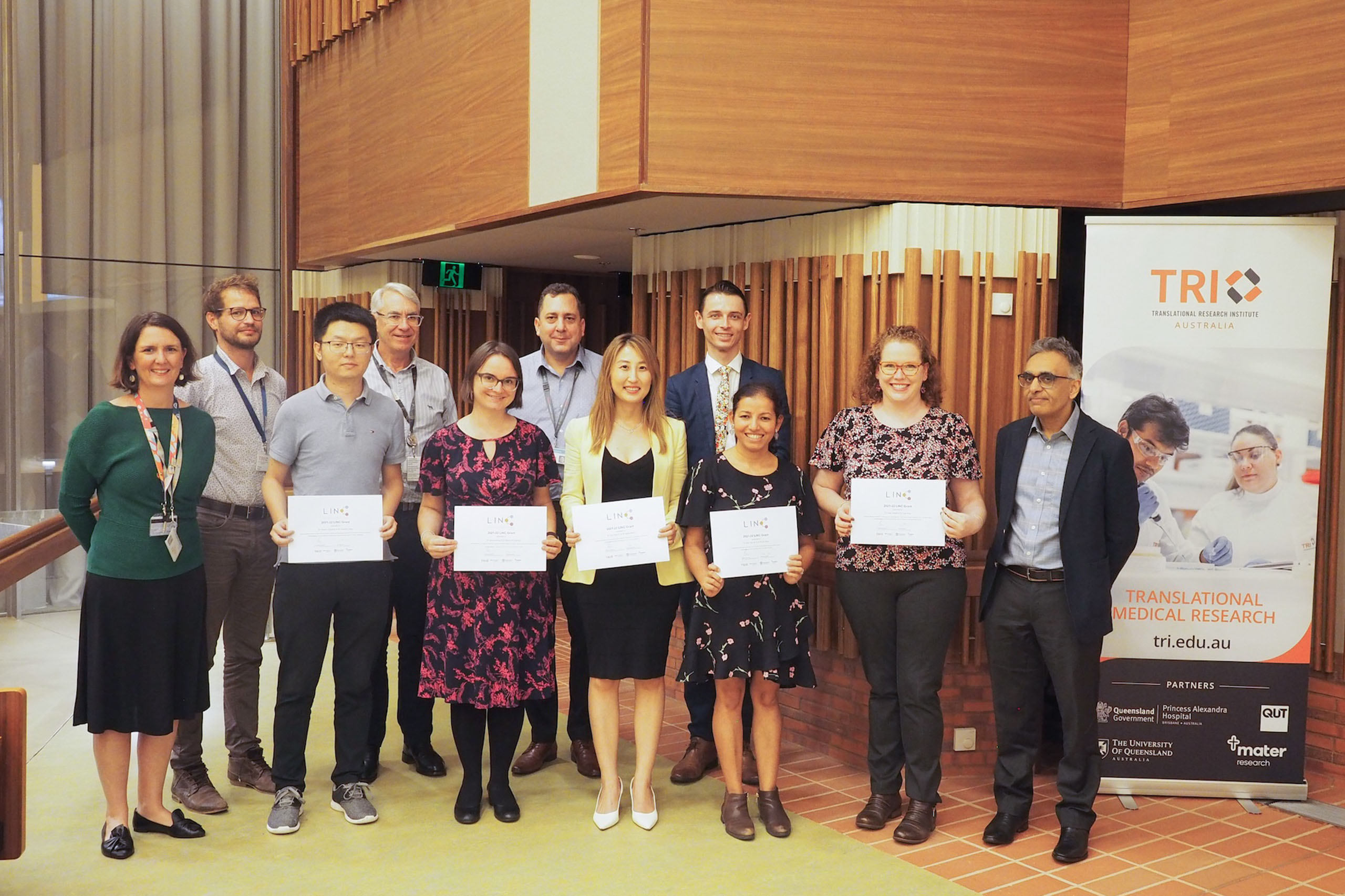
Launched in 2021, the LINC scheme offered up to $50,000 in seed funding for individual new research projects with clinical translation potential.
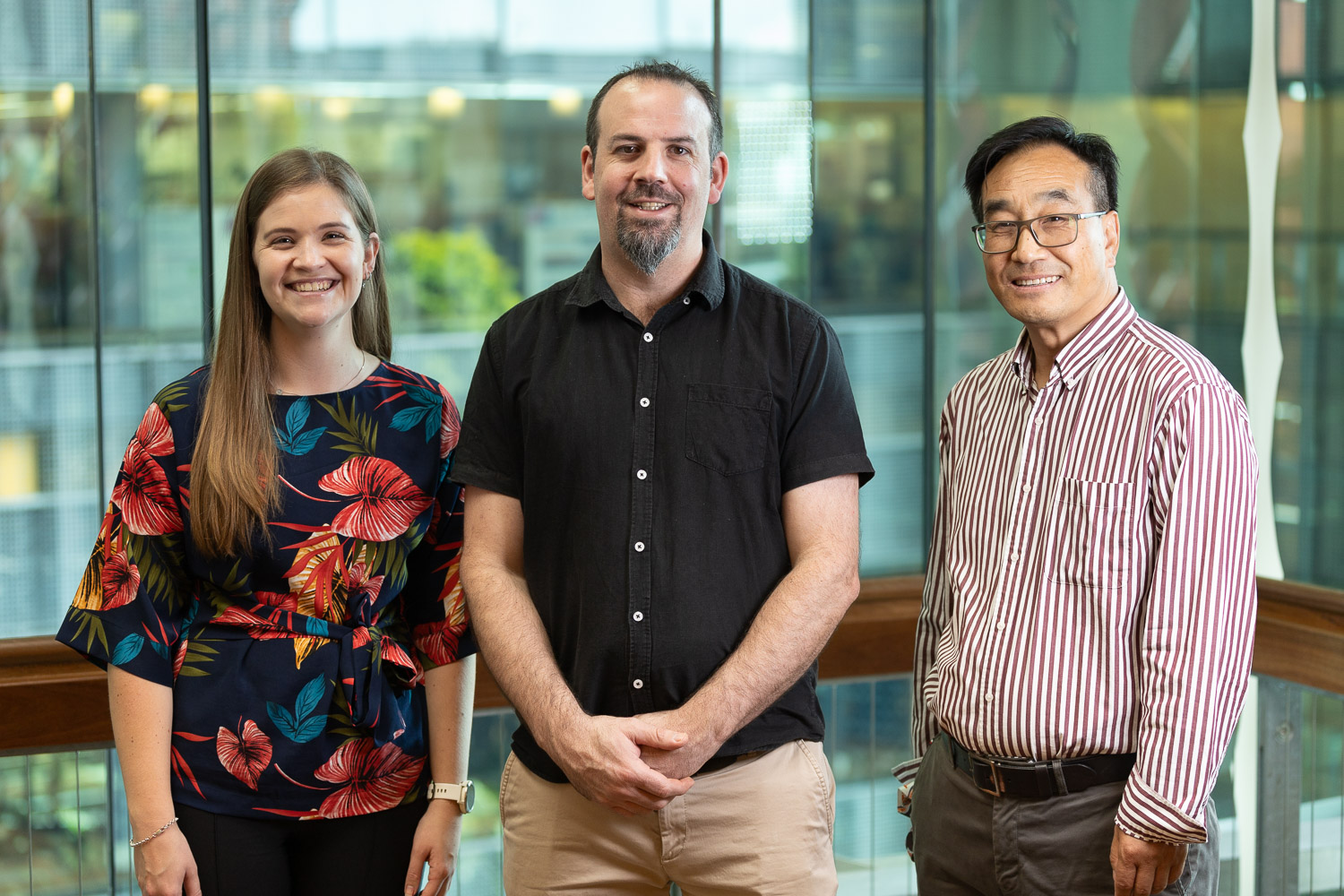
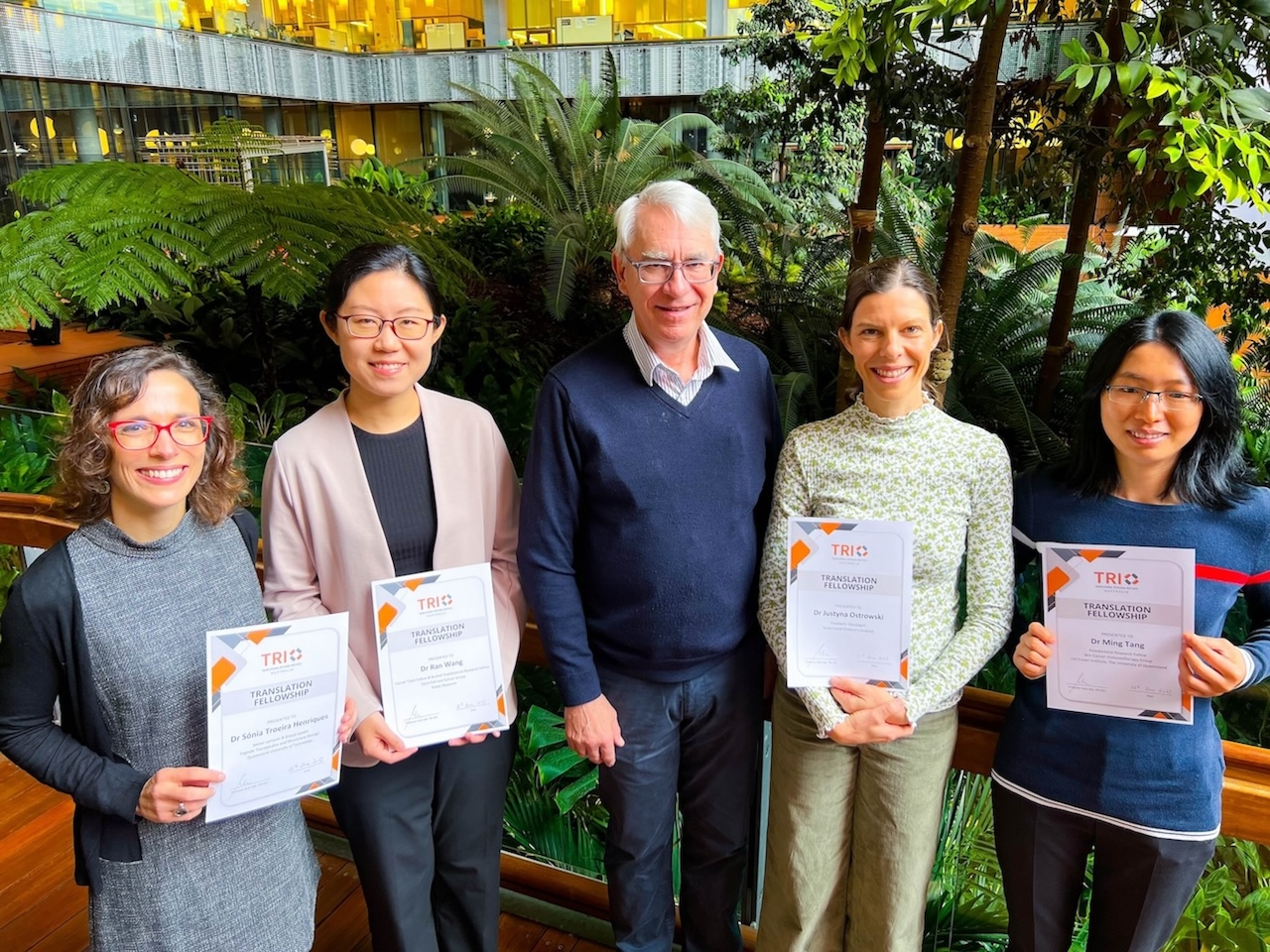
Uniquely, the LINC grant scheme required all applications to include two principal investigators, one a TRI-based researcher and the other a clinician from either Metro South Health or Mater.
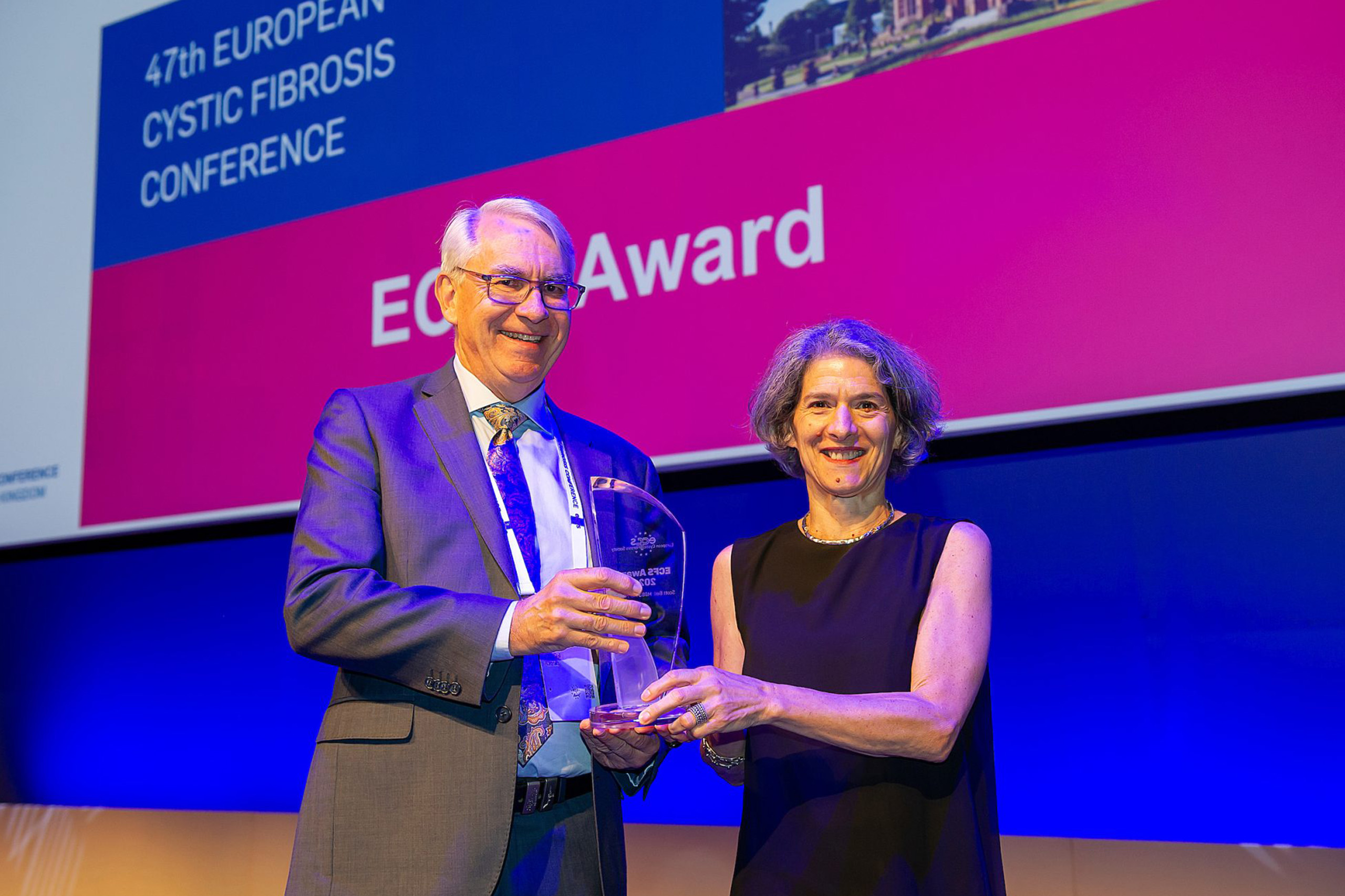
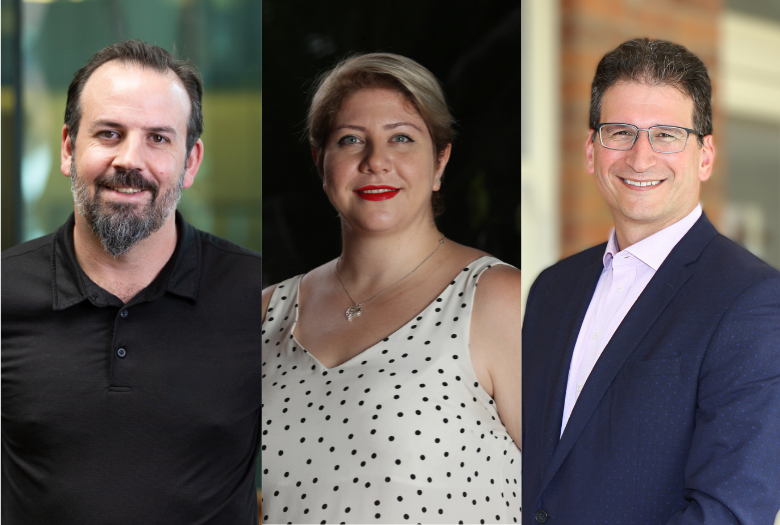
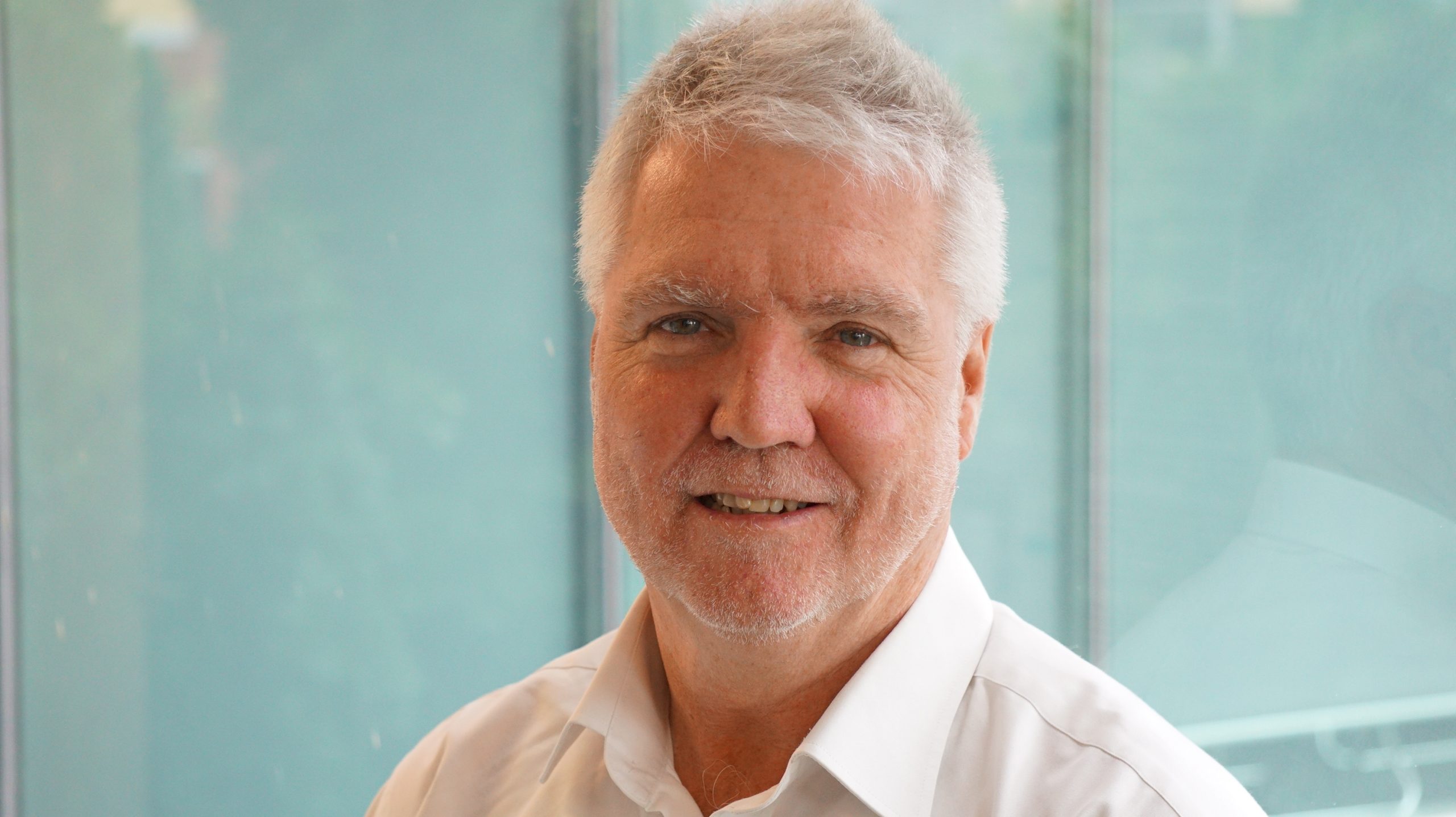
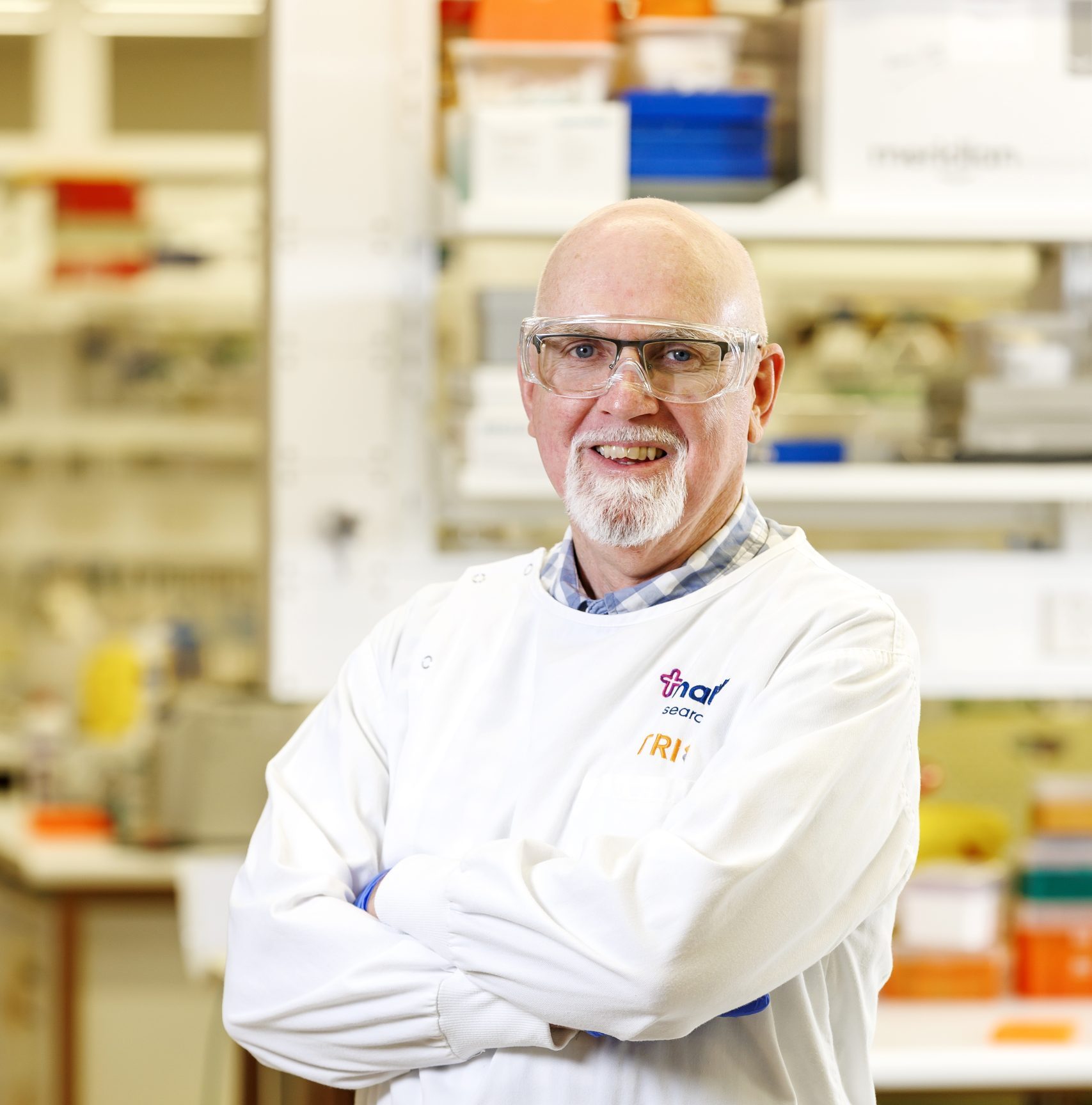
TRI CEO Professor Scott Bell said 22 LINC applications were received, the majority of which were new collaborations.
“The LINC scheme was created to foster long-term, transformative research collaborations between young clinicians and academic researchers.”
“We were impressed by the quality and breadth of the projects, and congratulate the grant recipients,” he said.
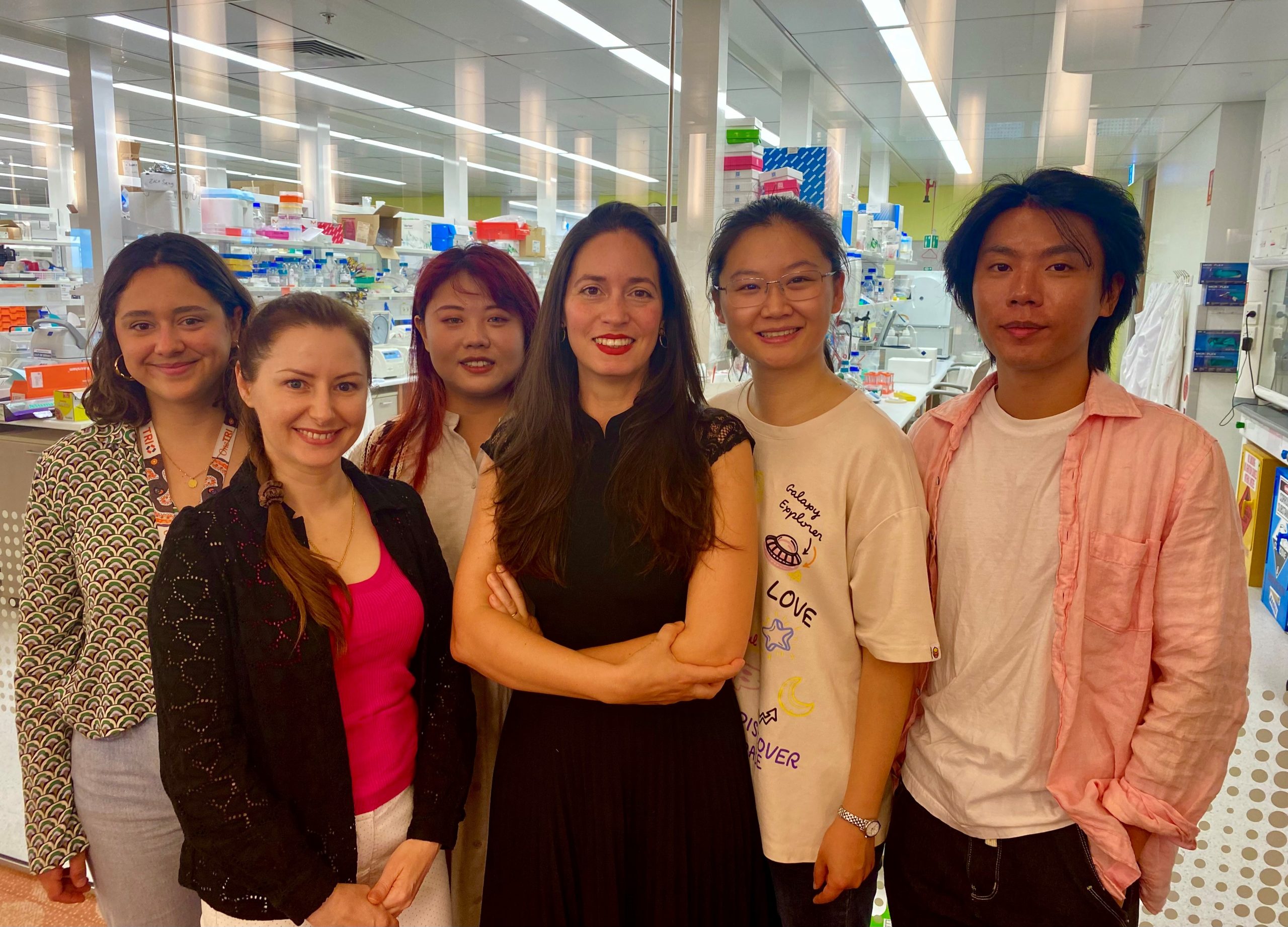
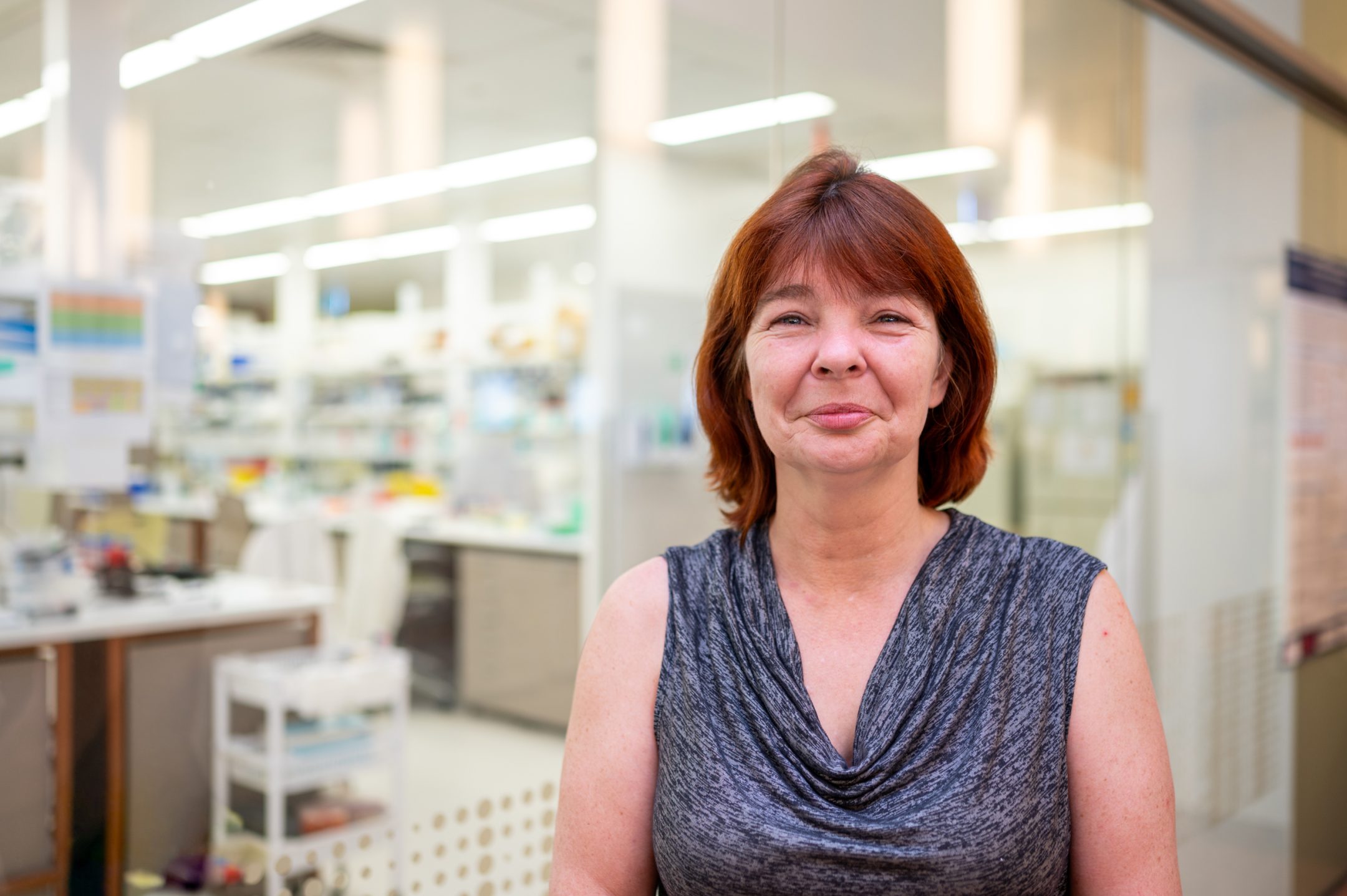
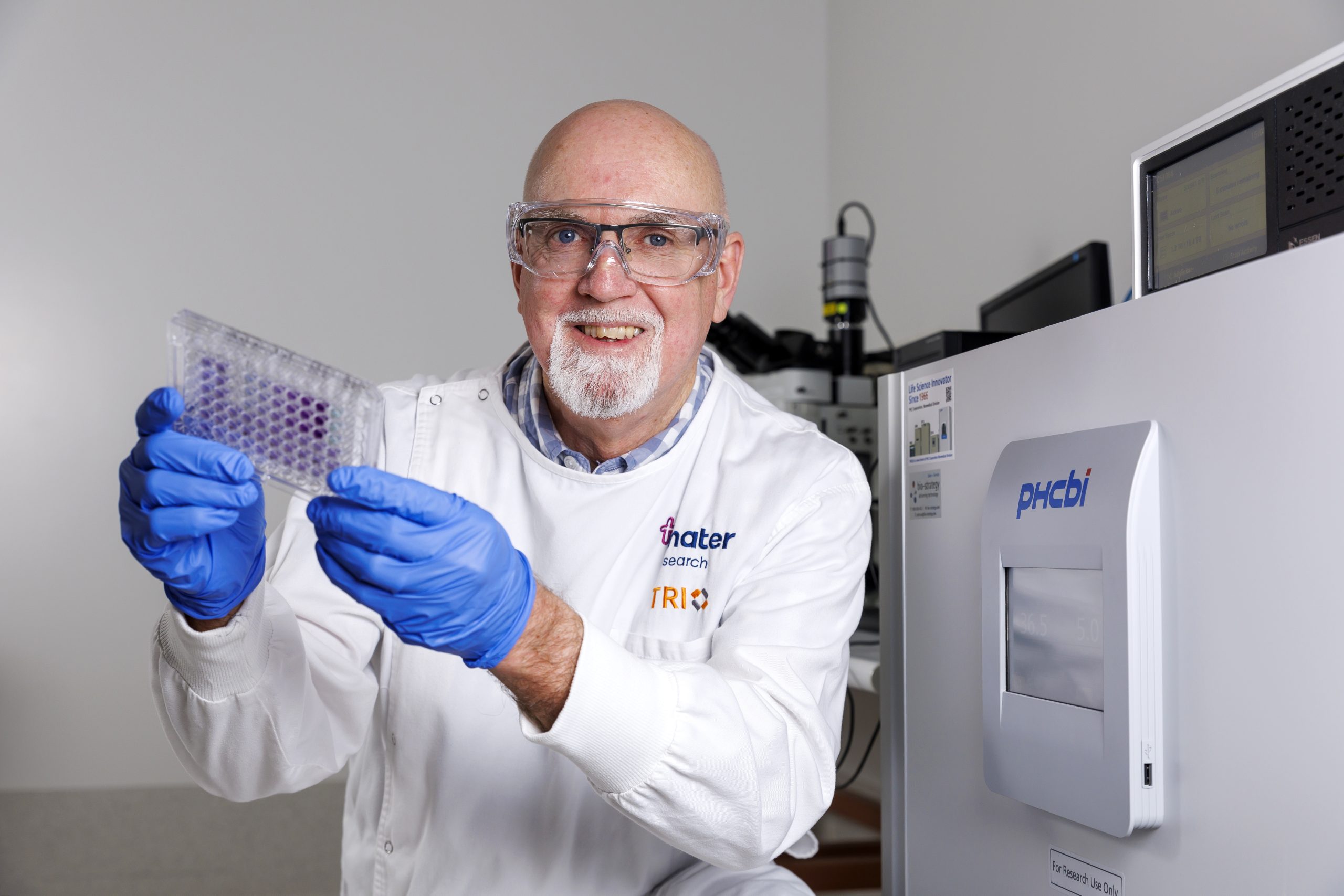
The successful projects included developing better treatments for a range of diseases including schizophrenia, multiple sclerosis, brain cancer and inflammatory bowel disease. Other projects are looking at predicting health outcomes, including the risk of spontaneous miscarriage.
Metro South Health Chair of Research Professor John Upham said the LINC grants were launched after 12 months of extensive consultation with leading clinicians and researchers.
“We strongly believe that research partnerships between clinicians and researchers are invaluable for future improvements in healthcare,” Professor Upham said.
“The translational projects funded through LINC all have the potential to improve healthcare outcomes for Australians.”
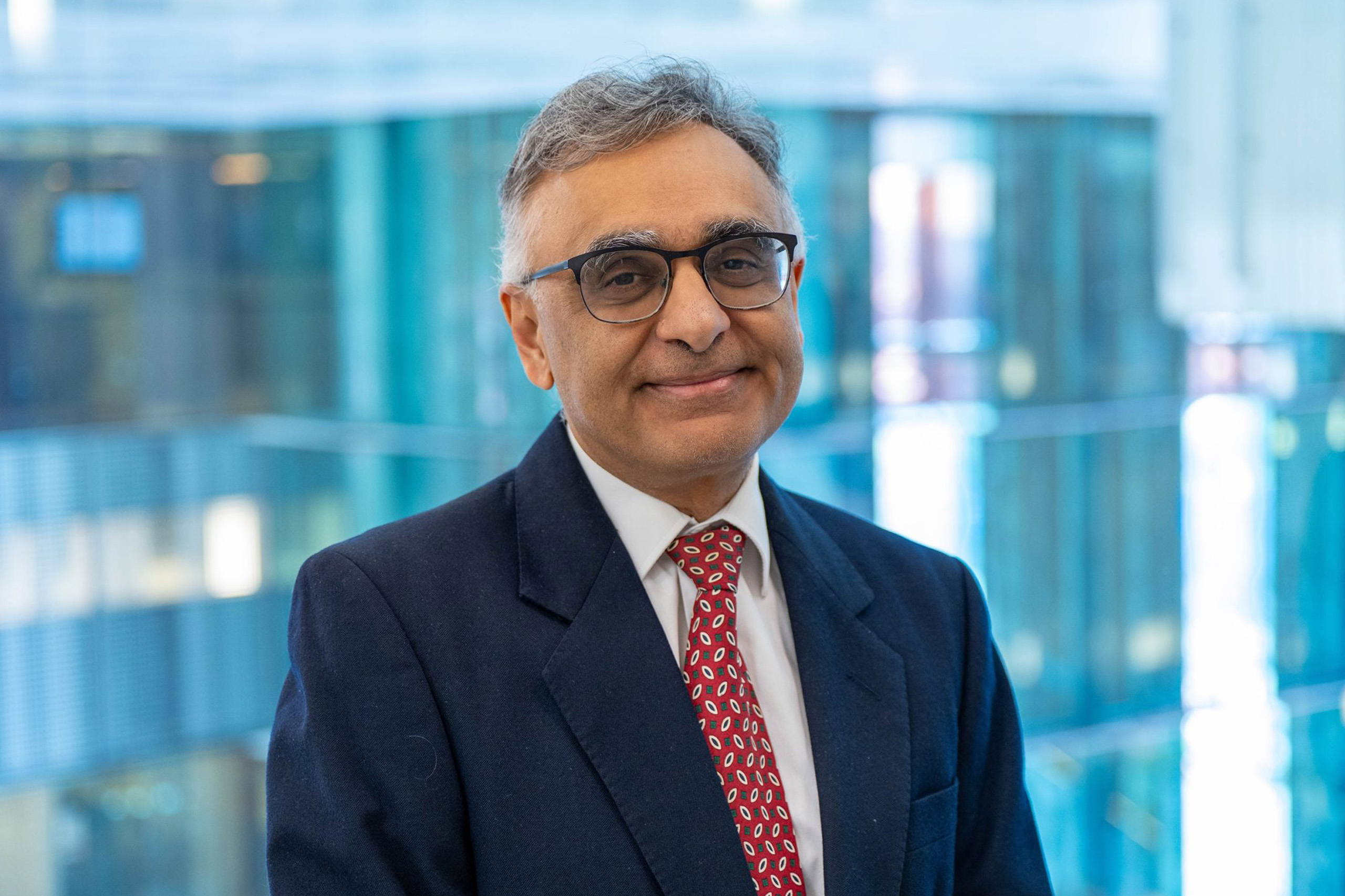
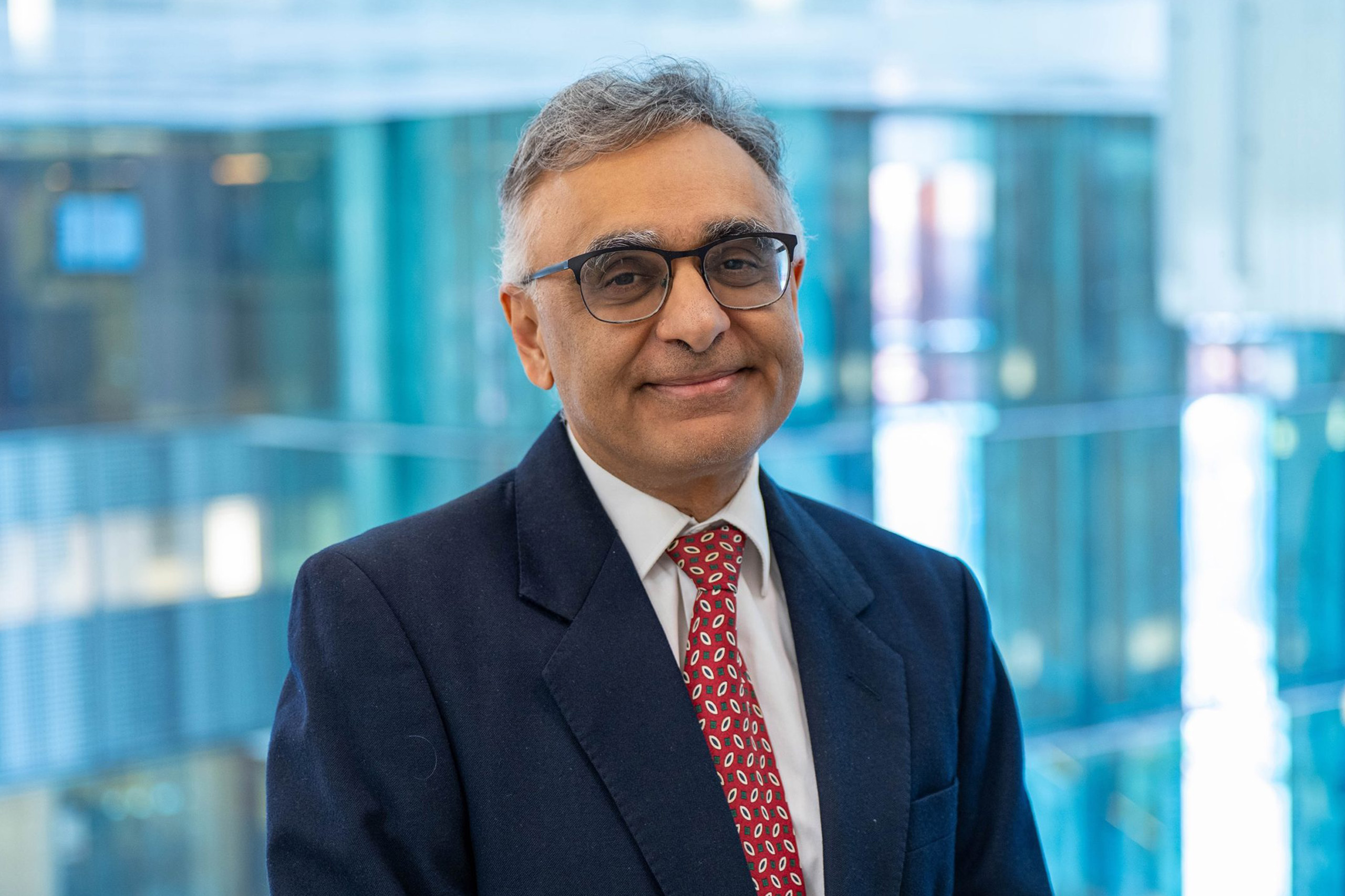
Mater Research Executive Director and Director of Clinical Research Professor Maher Gandhi said the LINC scheme fitted well in Mater’s long-term research strategy.
“We are absolutely delighted to be helping fund research collaborations between Mater clinicians and academic researchers based at TRI,” Professor Gandhi said.
“Mater Research has strong clinical links and these grants will support significant, new research collaborations.”
Professor Bell said a second LINC grant round will open later in 2022, with additional grants on offer.