Australian first: lab grown skin to help burn victims
The skin tissue, produced by UQ’s Frazer Institute and Metro North Health’s Herston Biofabrication Institute, can develop hair follicles and neurons as well as sebaceous and sweat glands.
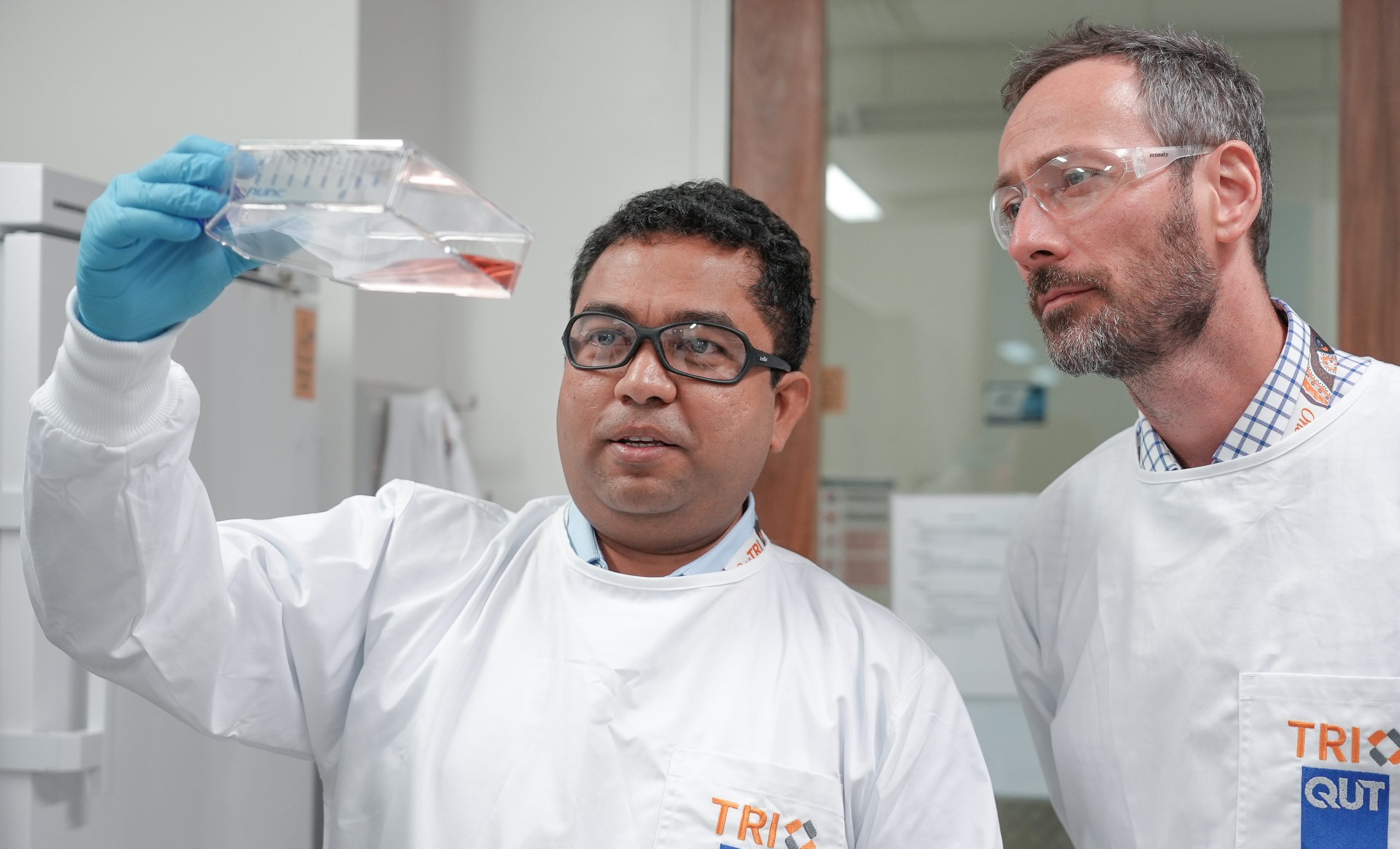
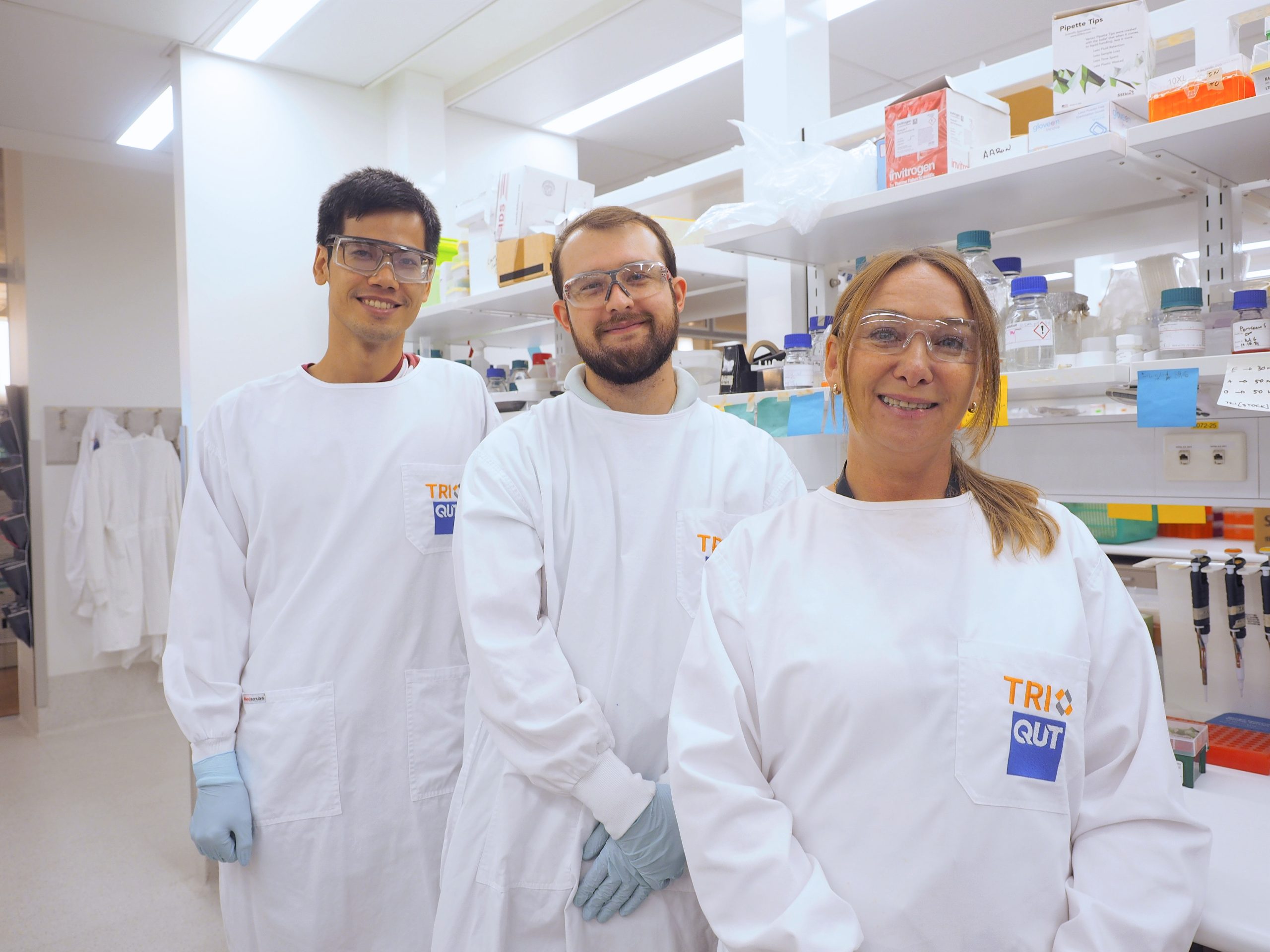
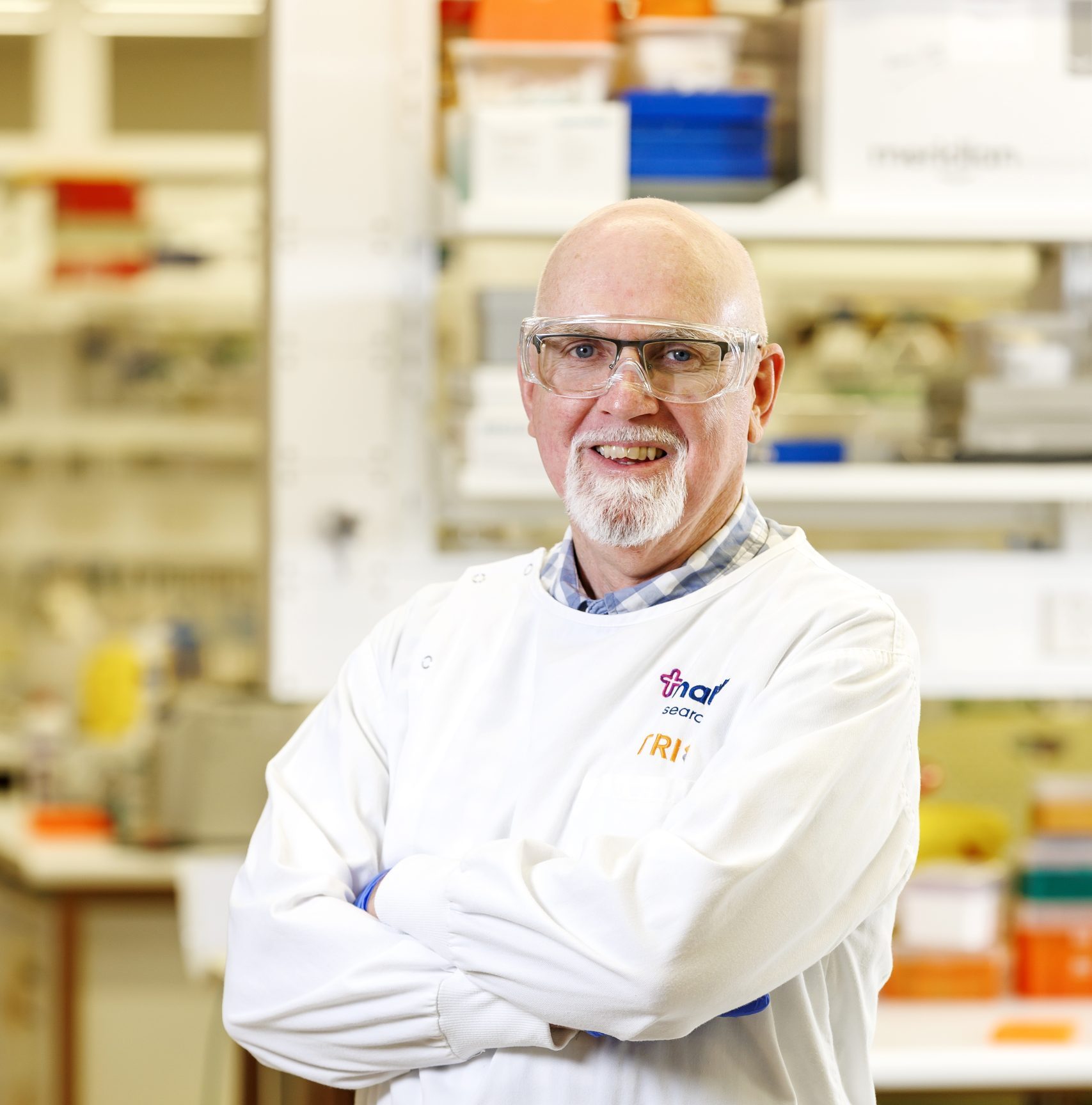
Project leader Dr Abbas Shafiee said the generated skin mimics that of the human body more closely than existing skin substitutes.
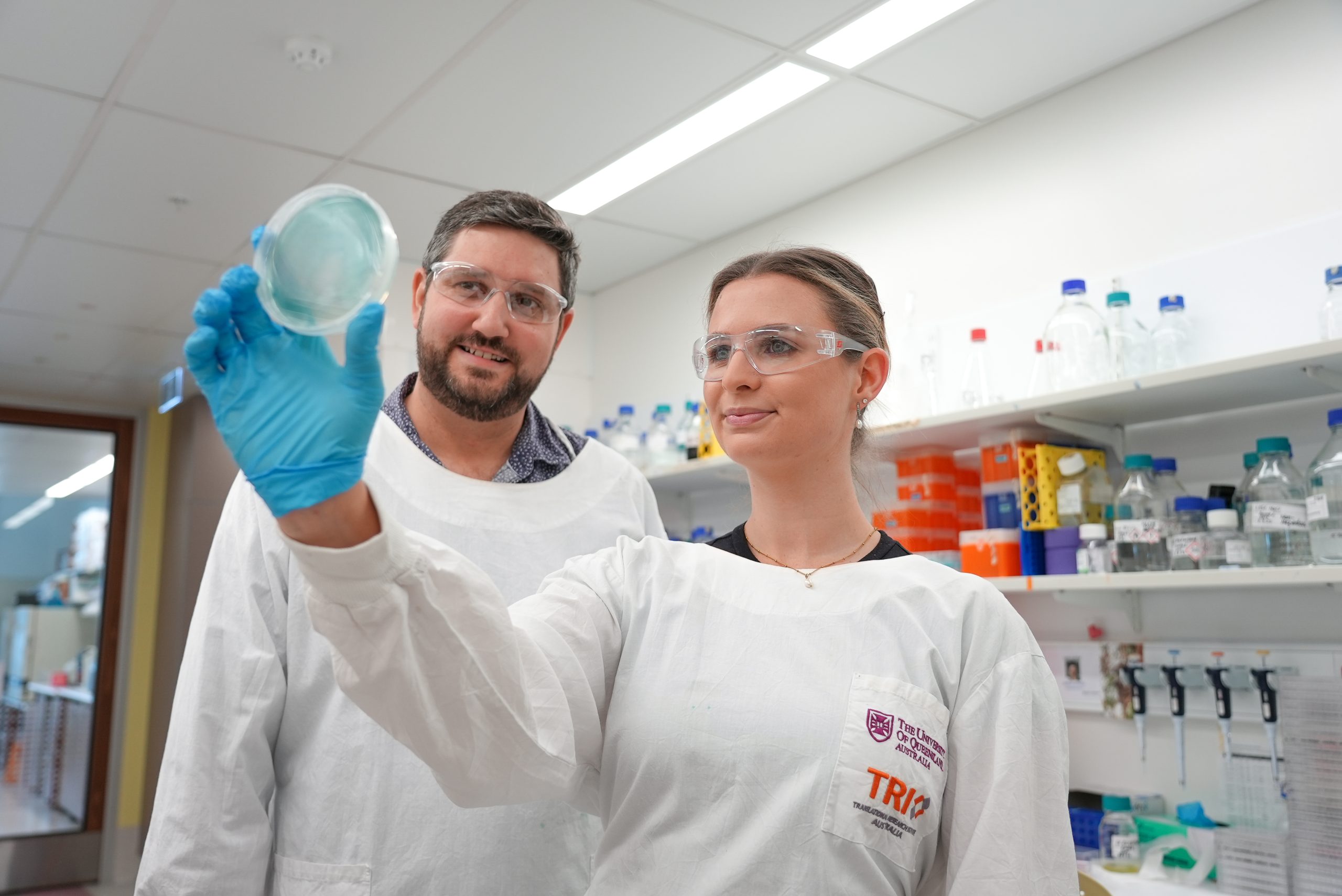
“We used a variety of stem cell lines and tested different procedures to grow skin organoids, which are 3D skin tissues created by researchers in a laboratory,” Dr Shafiee said.
“Human stem cells were first converted into cells which can grow to be any tissue in the body.
“These induced pluripotent stem cells were then formed into spheres, which underwent four months of differentiation to produce the skin organoids.
“This has the potential to improve the quality of life of patients with severe burn injuries, and those who live with the pain caused by scarring from previous skin grafts.”
Professor Kiarash Khosrotehrani said the technology will allow researchers to design new strategies in areas such as wound care, disease modelling and hair transplantation.
“Researchers and clinicians being able to produce more realistic skin could be transformative for people who have suffered severe wounds or burns.”
“The wound site will be less irritated and look more like the rest of the patient’s skin.”
The researchers hope to progress toward translational studies of the technology, with prospects leading to clinical applications.
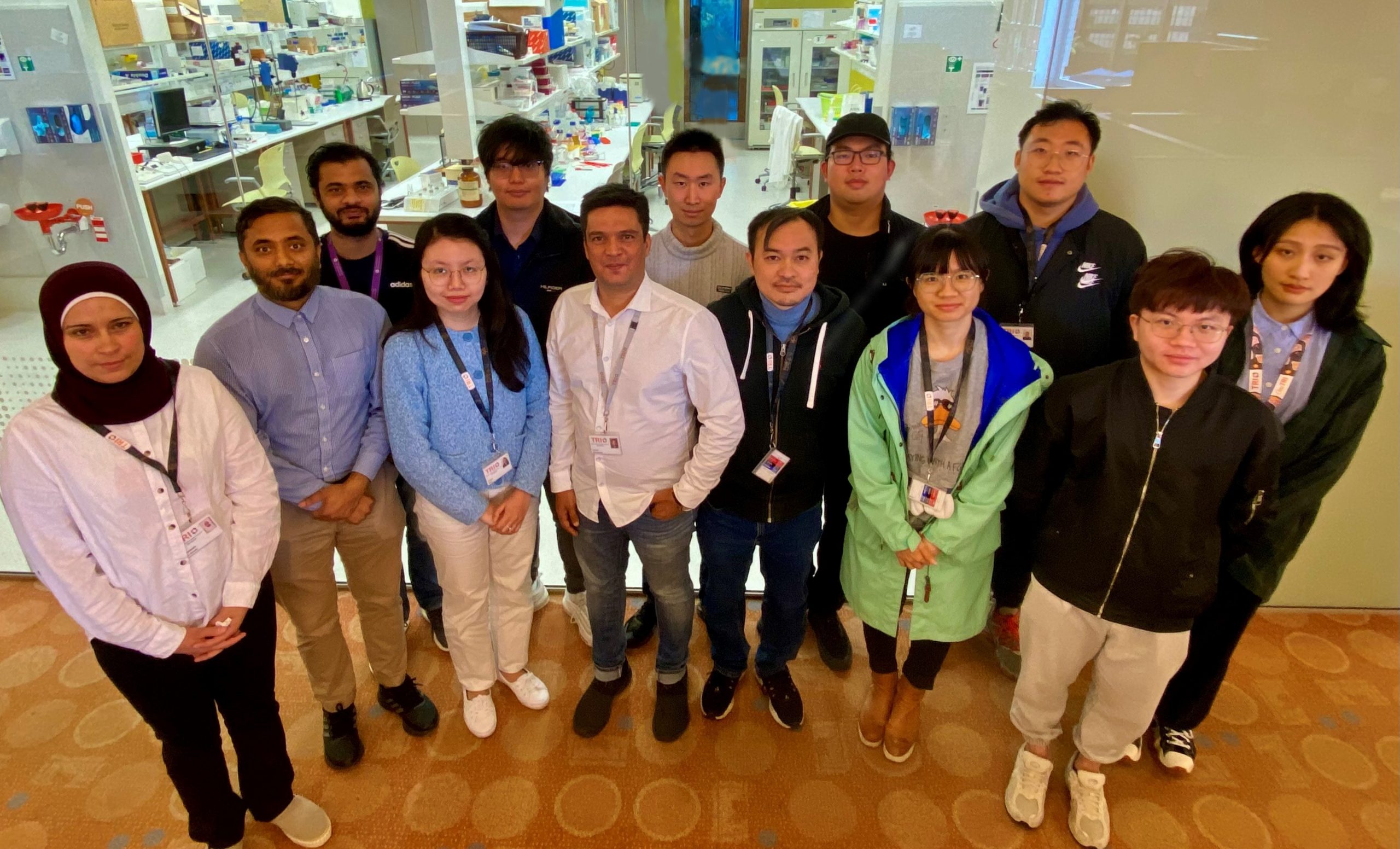
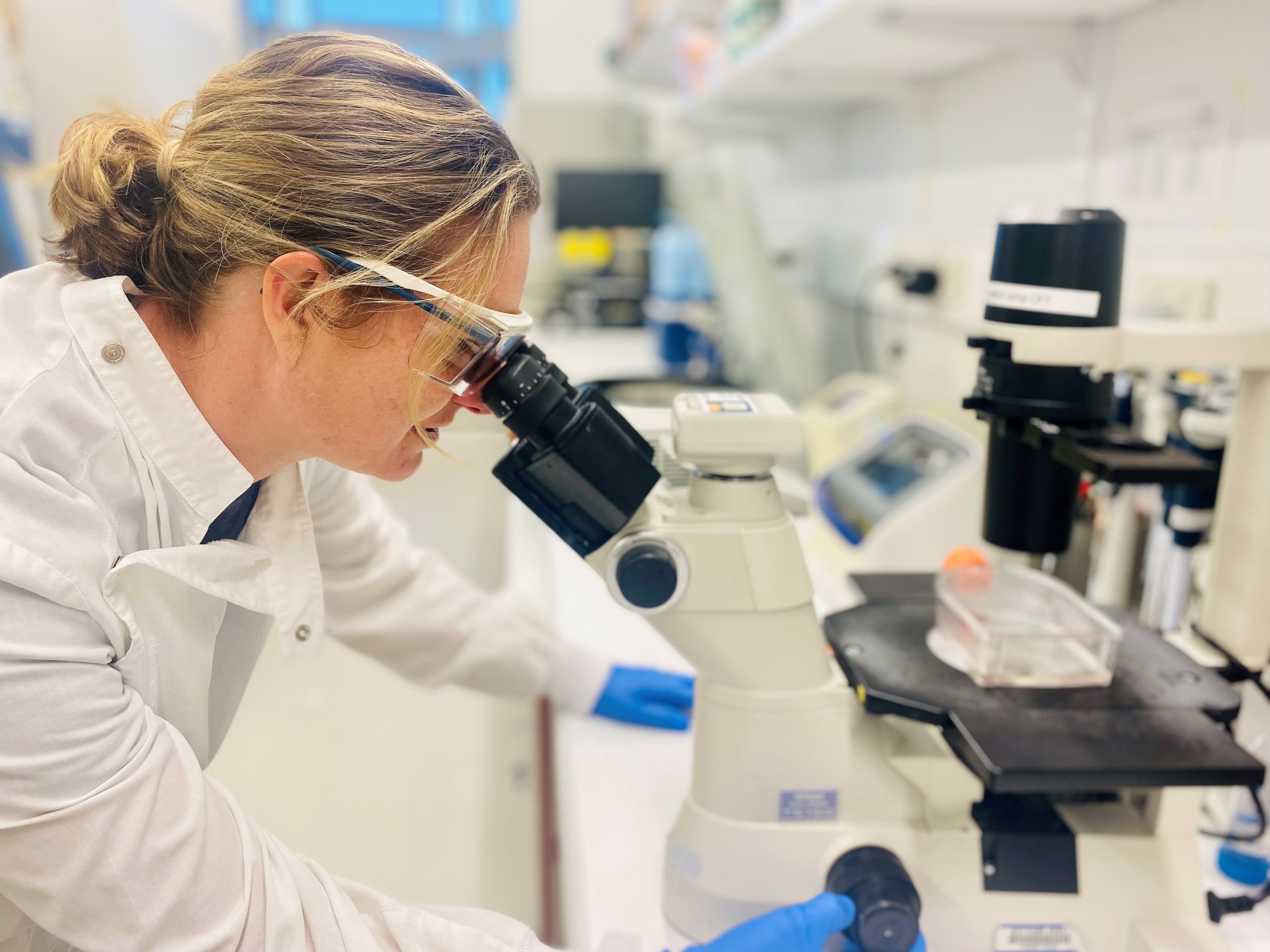
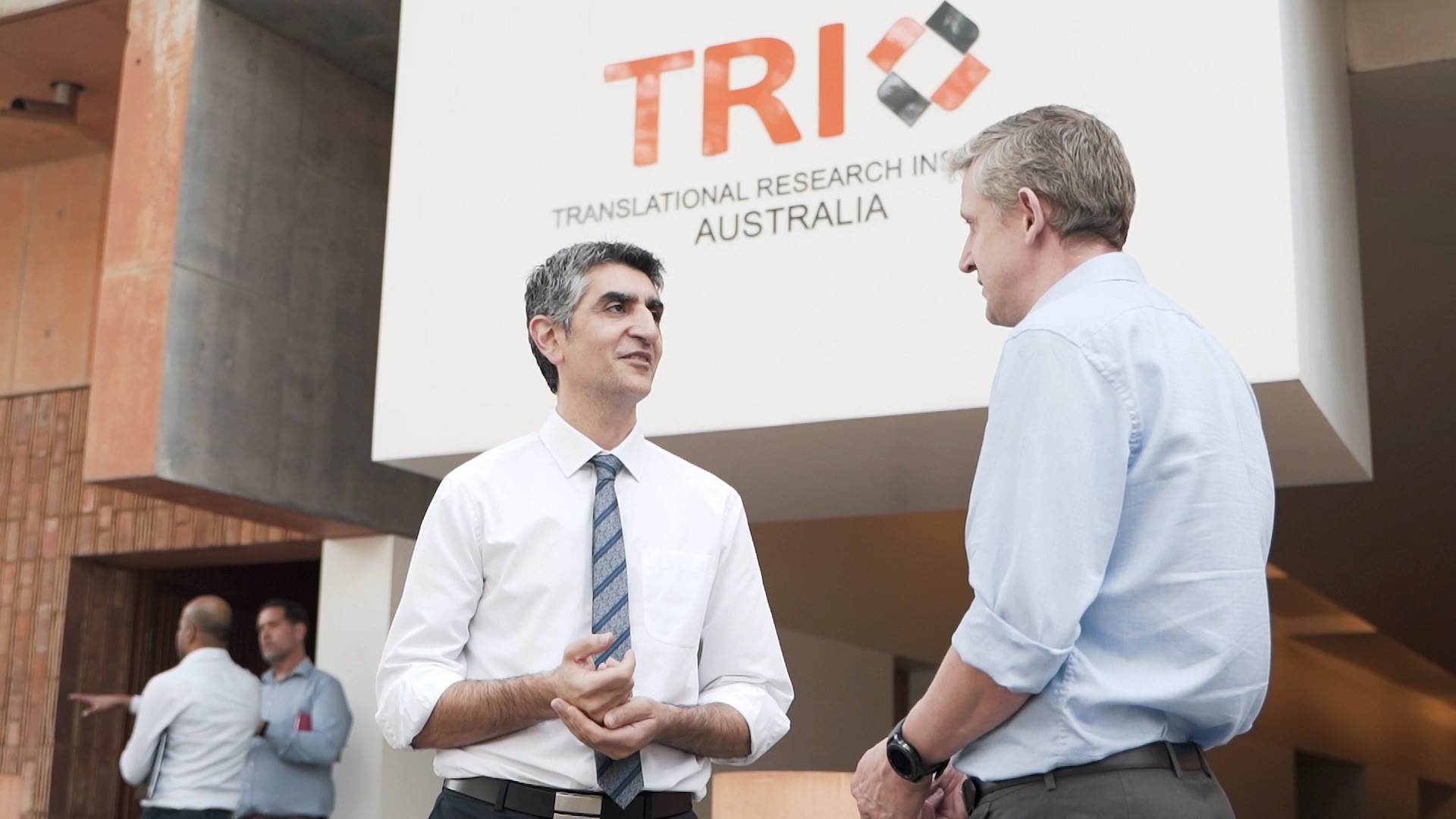
The research was a collaboration between the Experimental Dermatology Group at UQ’s Frazer Institute and Metro North Health’s Herston Biofabrication Institute, and supported by funding from Metro North Health. It was conducted at TRI, with support from TRI’s specialist Core Facilities.
The research paper:
A Shafiee, J Sun, IA Ahmed, F Phua, GR Rossi, C-Y Lin, F Souza-Fonseca-Guimaraes, EJ Wolvetang, J Brown, K Khosrotehrani, Development of Physiologically Relevant Skin Organoids from Human Induced Pluripotent Stem Cells. Small 2024, 20, 2304879. doi.org/10.1002/smll.202304879