Research could bring better treatment for chronic Inflammation
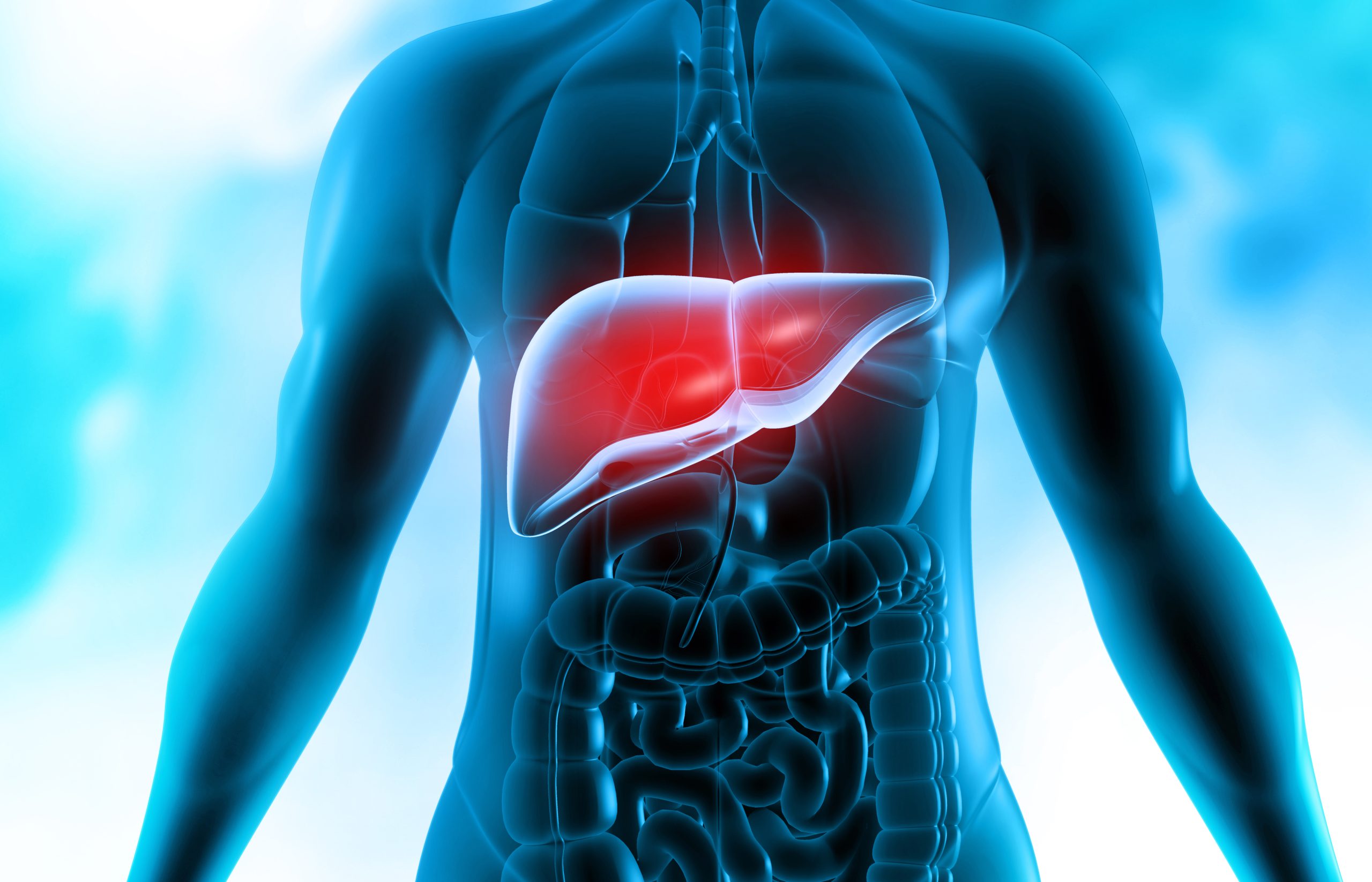
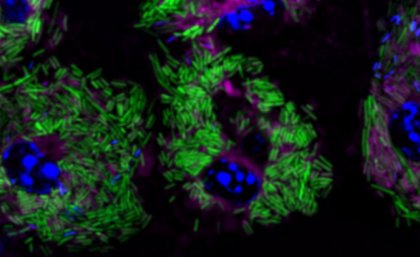
The findings give researchers a better understanding of chronic inflammatory conditions in the guts and lungs and provide hope to patients that better therapeutics to manage such conditions will be developed.
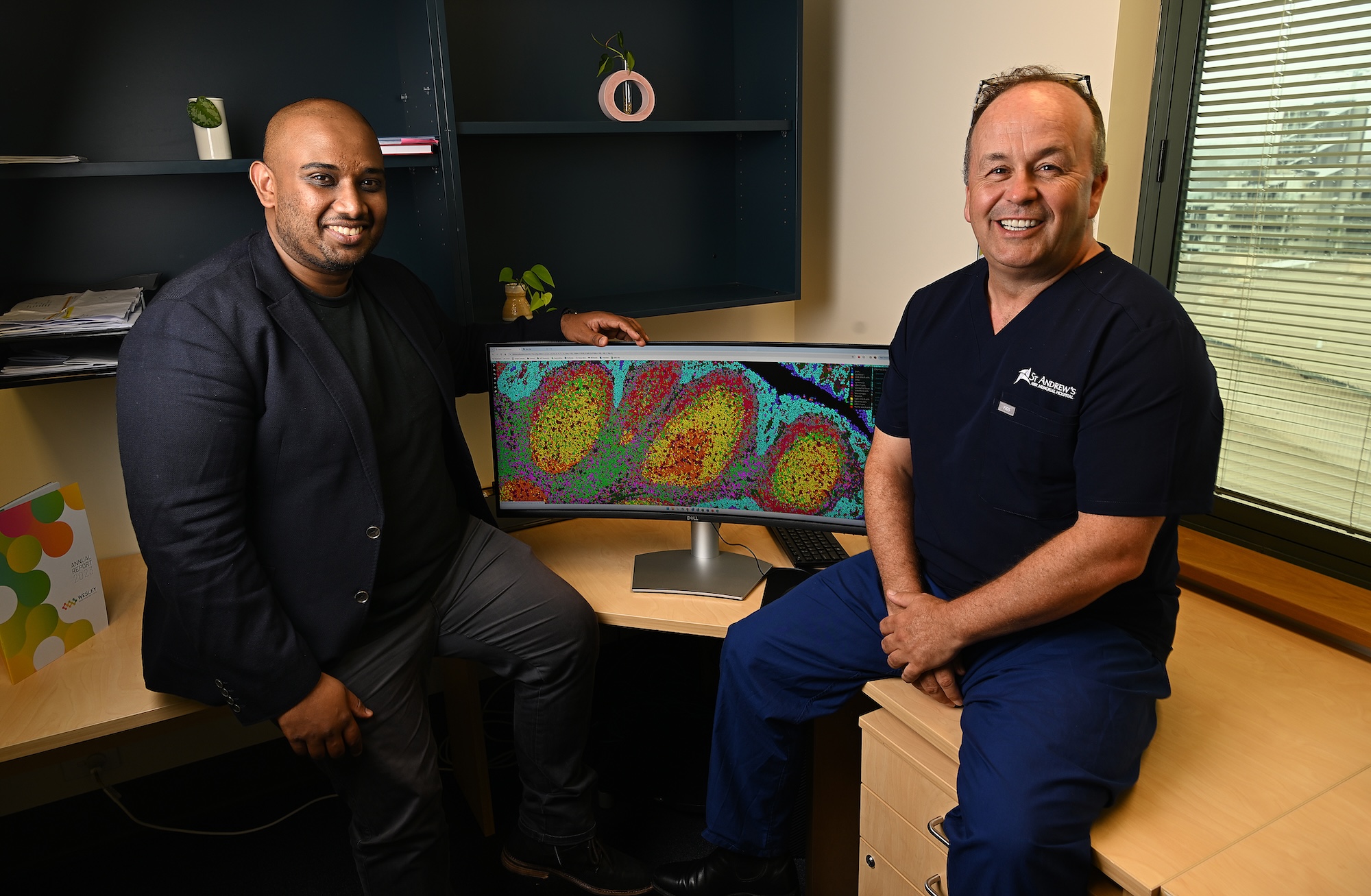
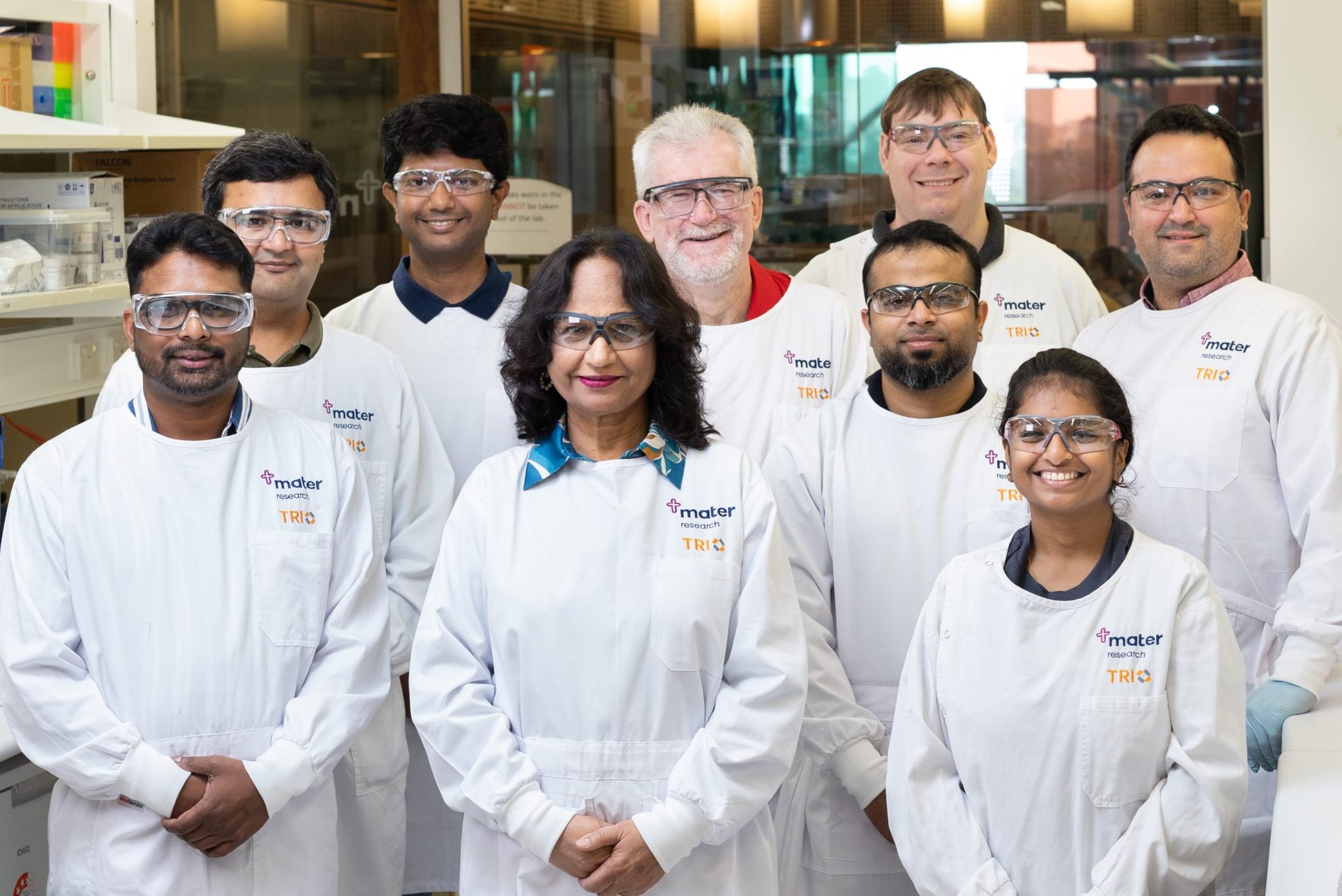
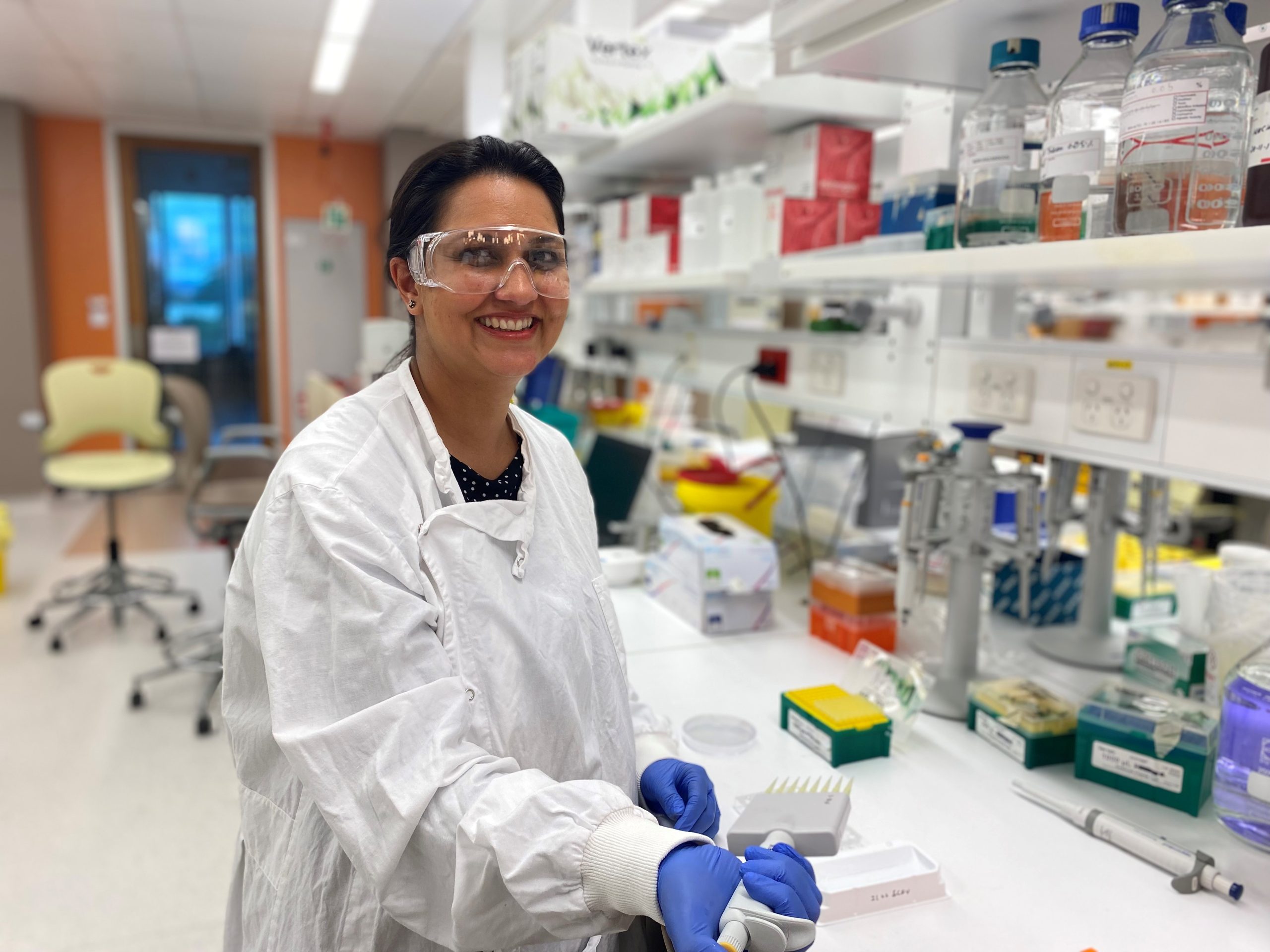
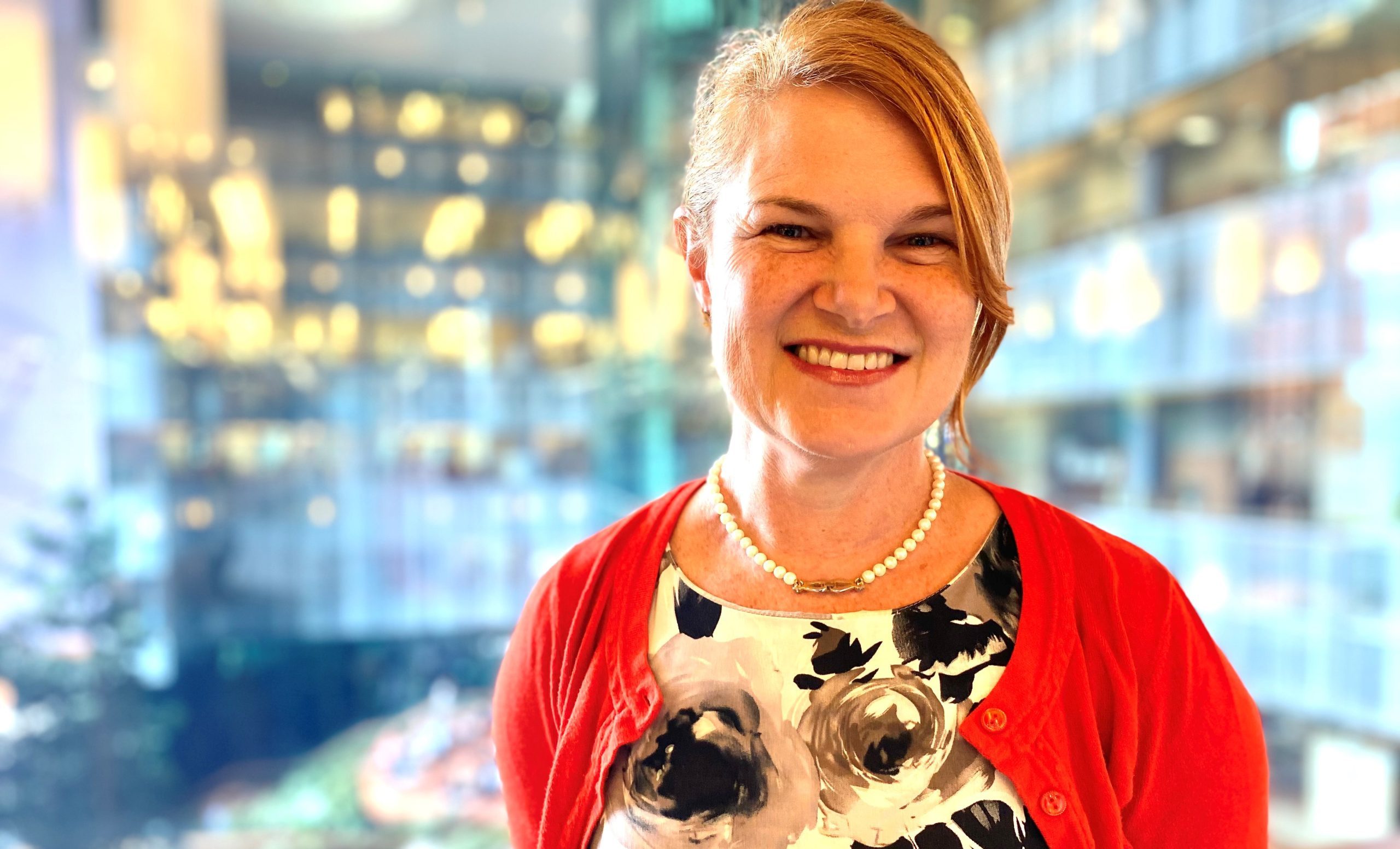
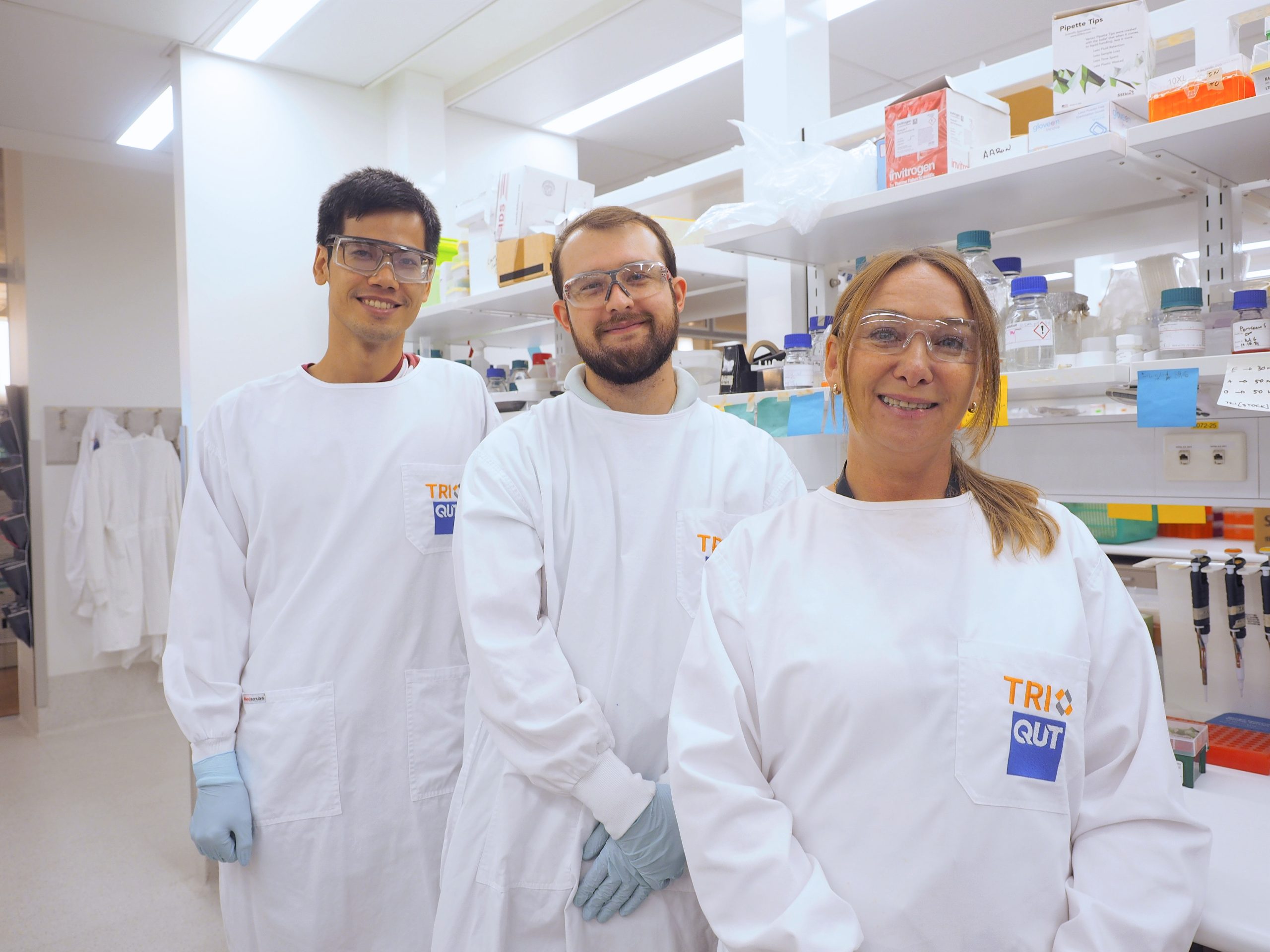
Lead researcher, Associate Professor Sumaira Hasnain explained that mucosal epithelial cells are the body’s first line of defence against “foreign invaders”.
“Mucosal epithelial cells help the immune response to effectively eliminate infections,” Associate Professor Hasnain said.
“They can help the immune system by educating the immune system about how to recognise the pathogens via expressing antigen presenting machinery (APM), like major histocompatibility complex molecules (MHC-II).
“These molecules help immune cells recognise and fight foreign invaders. However, these cells only express MHC-II molecules when they are inflamed, which occurs during infection or inflammation like that observed in inflammatory bowel disease.”
The researchers discovered that an immune factor released by our white blood cells, called Interluken-22 (IL-22) can suppress the expression of these MHC-II molecules on epithelial cells.
“This can help prevent inflammation and promote healing, especially during chronic inflammation as occurs in the gut during inflammatory bowel disease,” Associate Professor Hasnain said.
“However, when this antigen is suppressed by IL-22, it can allow viruses at our mucosal surfaces to go unchecked and be extremely detrimental to the host.”
Associate Professor Hasnain said that the implications of the findings are extensive and critical to the field of mucosal immunity, from gut inflammation to viral infections.
“It contributes significantly to our understanding of IL-22’s dual role in homeostasis and disease conditions,” she said.
“This research has potential implications for developing targeted therapies in mucosal immunity that address both the pro- and anti-inflammatory aspects of IL-22 to improve disease management and overall patient outcomes.”
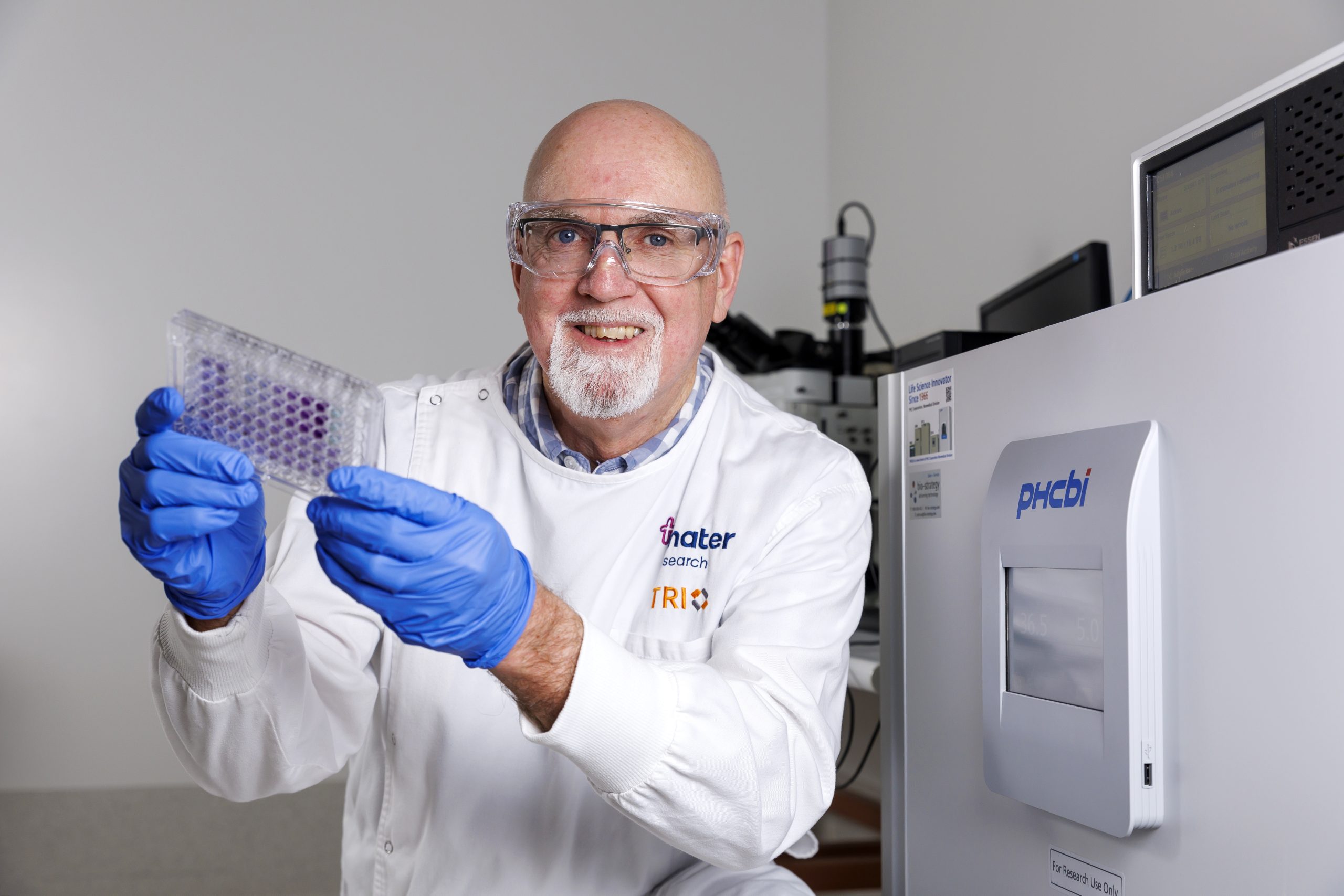
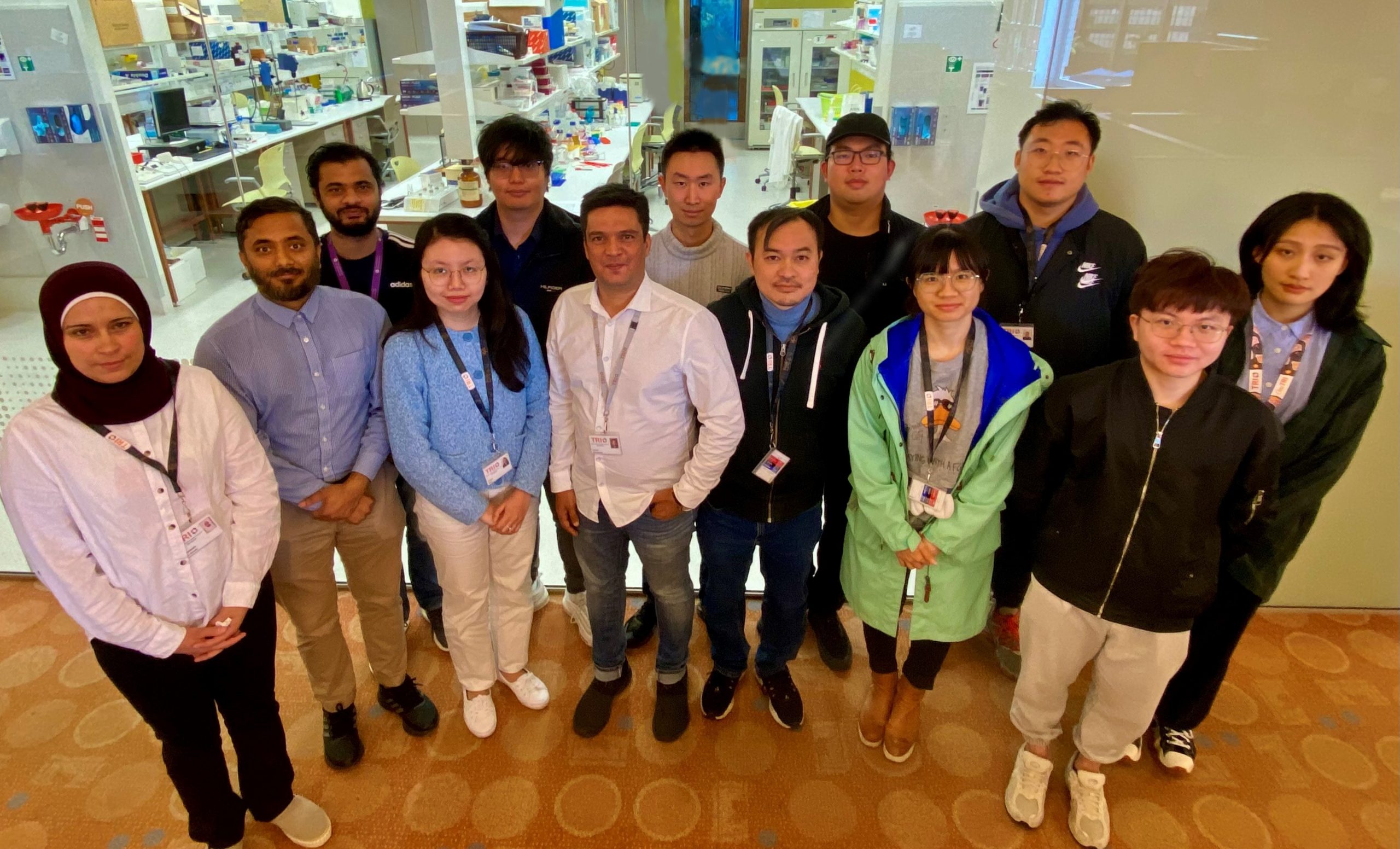
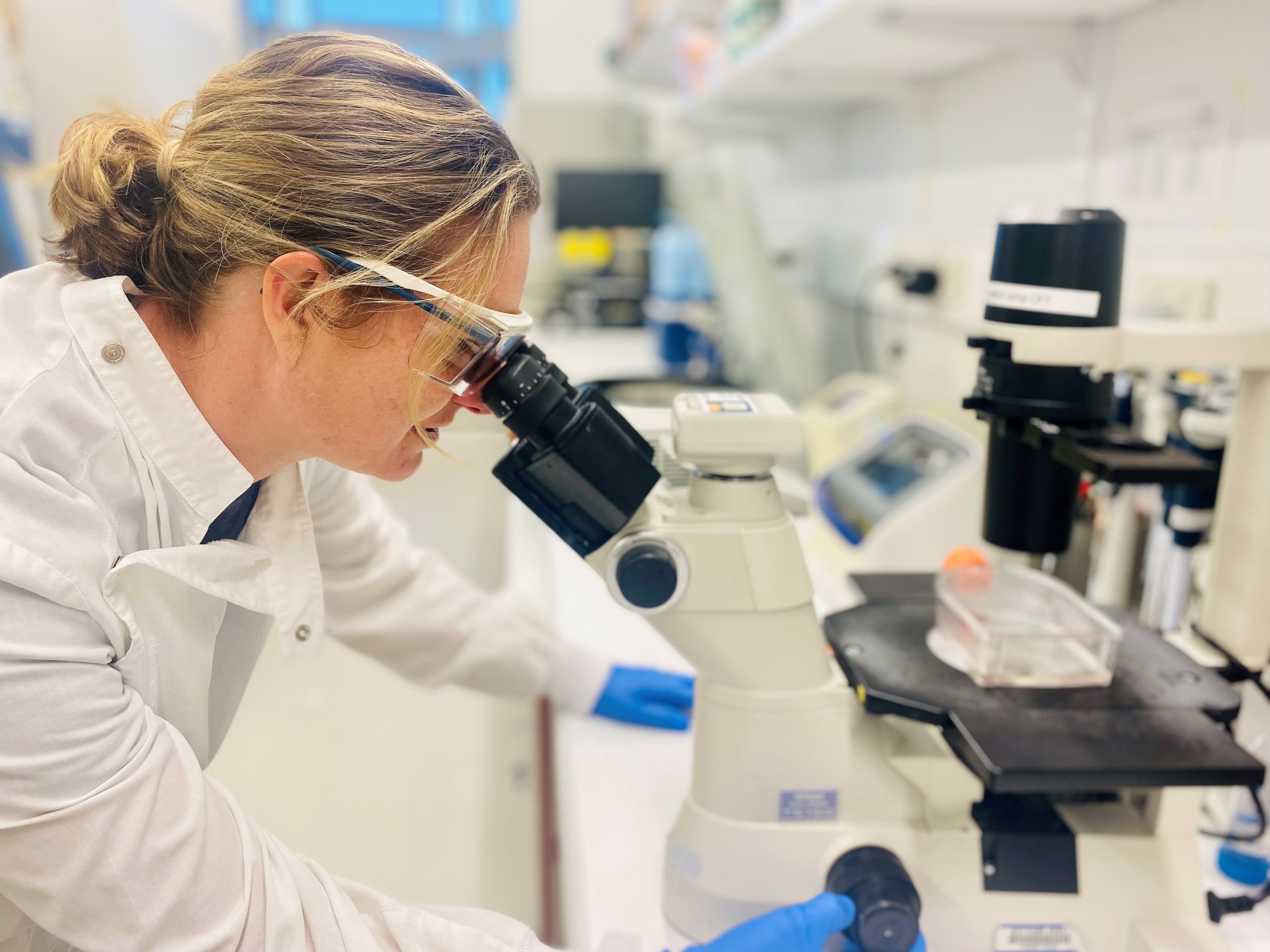
The research was conducted with the support of TRI’s Core Facilities.
The published paper:
Md Moniruzzaman, M Arifur Rahman, Ran Wang, Kuan Yau Wong, Alice CH Chen, Alexandra Mueller, Steven Taylor, Alexa Harding, Thishan Illankoon, Percival Wiid, Haressh Sajiir, Veronika Schreiber, Lucy D Burr, Michael A McGuckin, Simon Phipps, Sumaira Z Hasnain. Interleukin-22 suppresses major histocompatibility complex II in mucosal epithelial cells. J Exp Med 6 November 2023; 220 (11): e20230106. doi: doi.org/10.1084/jem.20230106
This story was originally published by Mater.