Boost for deadly ovarian cancer vaccine
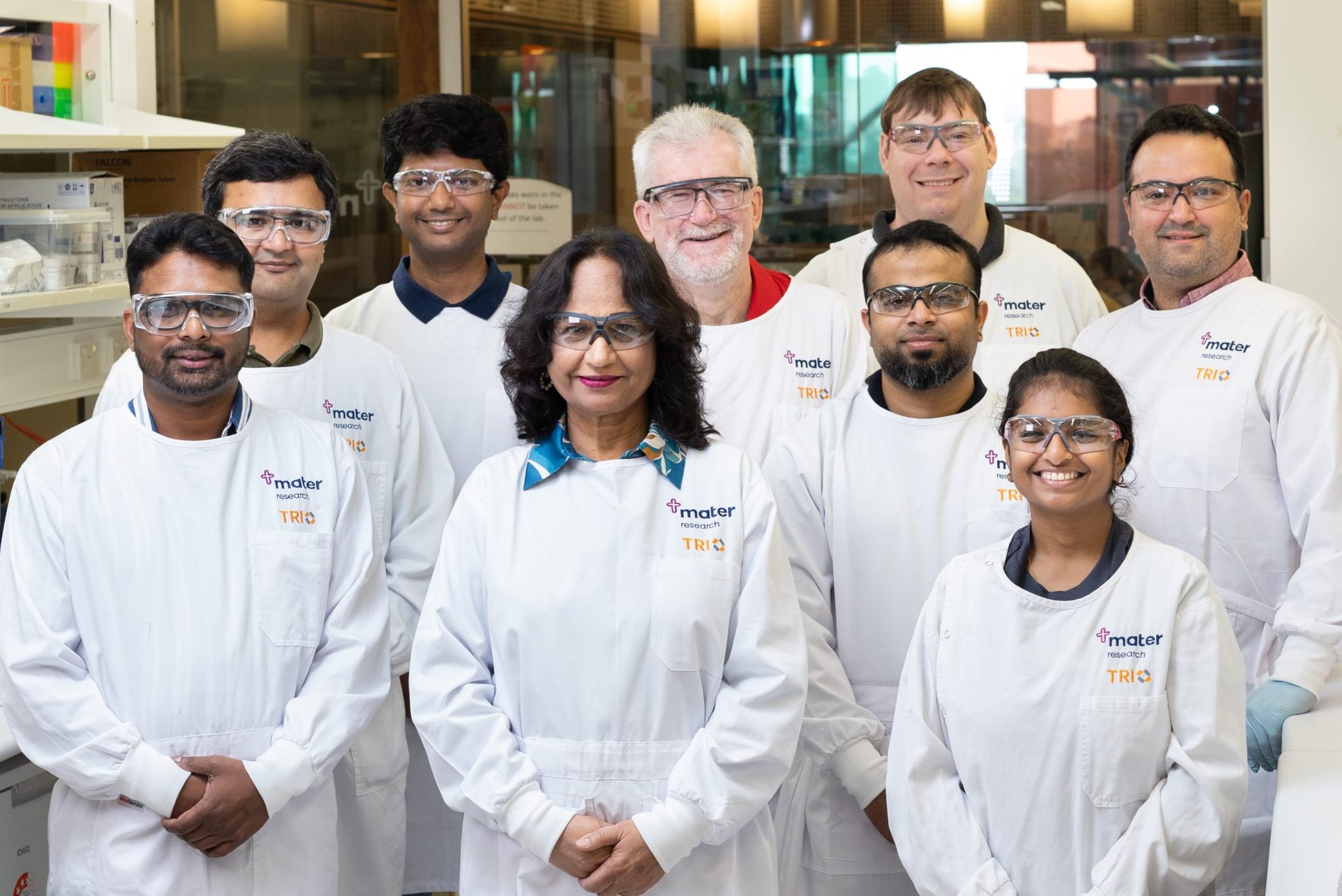
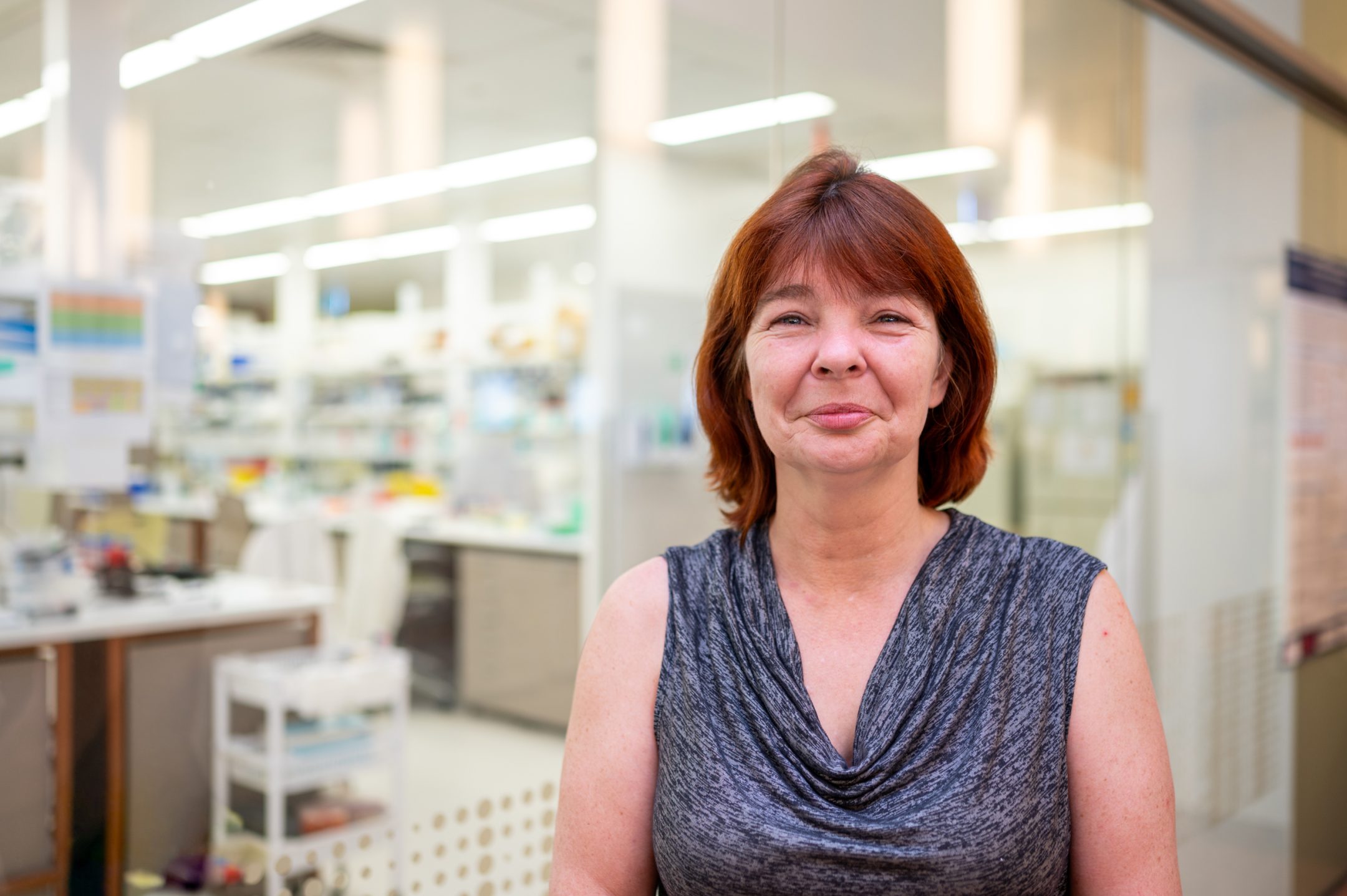
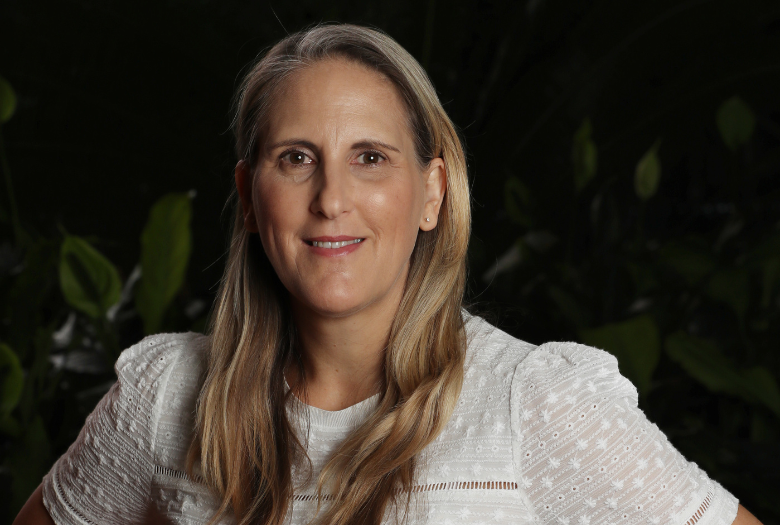
Professor Kristen Radford, of Mater Research and The University of Queensland, said the vaccine her team hoped to develop would be used to treat active cases of ovarian cancer and not as a preventative tool.
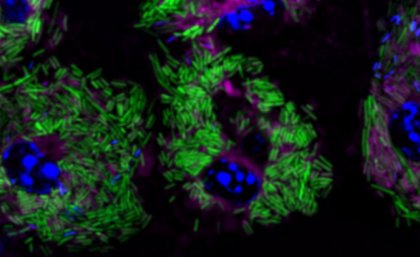
The vaccine will target dendritic cells, which play a key role in the body’s immune system.
“Ovarian cancer is very challenging to treat because it comprises over thirty distinct disease types, many of which don’t respond to conventional chemotherapy and standard care protocols.”
“Some of the current treatments that are available for women with ovarian cancer have not fundamentally changed in decades.
“We are targeting a certain subtype of immune cells called dendritic cells, which are the primary cells which trigger immune response.
“In ovarian cancer patients the dendritic cells are somewhat dysfunctional, which might help explain why, to date, ovarian cancer hasn’t responded to immunotherapy as well as other cancers.”
The $670,000 grant will enable Professor Radford’s team to investigate which molecules on dendritic cells can be targeted to train the immune system to more effectively fight ovarian cancer.
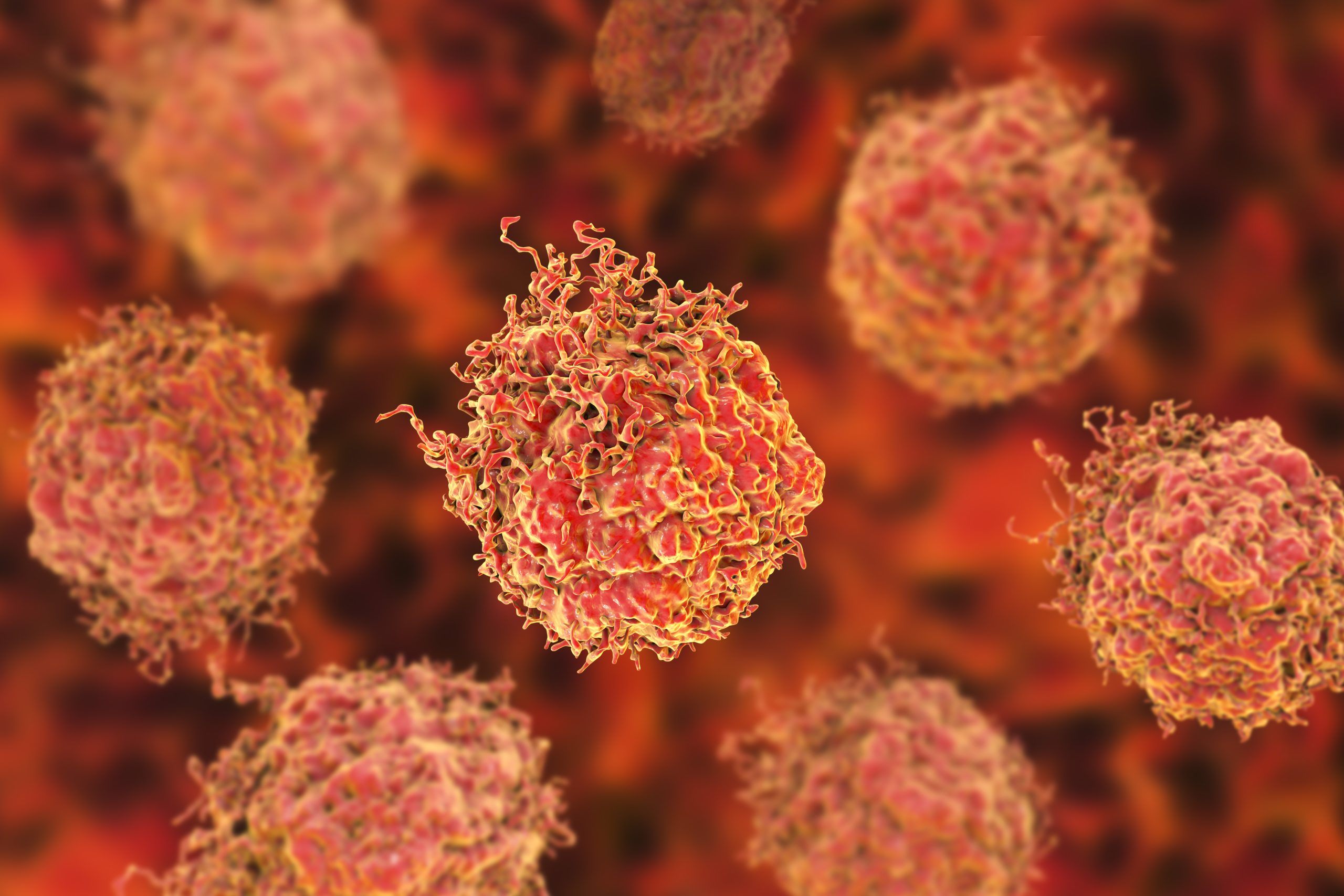
Professor Radford’s previous research has already demonstrated the effectiveness of a dendritic cell-based vaccine for treating prostate cancer.
Mater is the leading treatment and research centre for ovarian cancer in Queensland, treating around 130 of the 285 women who are diagnosed with the disease in the state each year.
There is no available screening test for ovarian cancer, which means most cases are advanced when they are detected.
The Ovarian Cancer Research Foundation is the largest independent funder of ovarian cancer research in Australia, second only to the Commonwealth, and announced $2.4m in new research grants today.