Humanised immune models advancing therapeutic development
TRI proudly announces a partnership with The Jackson Laboratory (JAX) to establish Australia’s first immune-humanised preclinical model generation and distribution facility.
The partnership will provide Australian researchers with unprecedented access to cutting-edge models, significantly accelerating the development of novel therapeutics and advancing biomedical research.
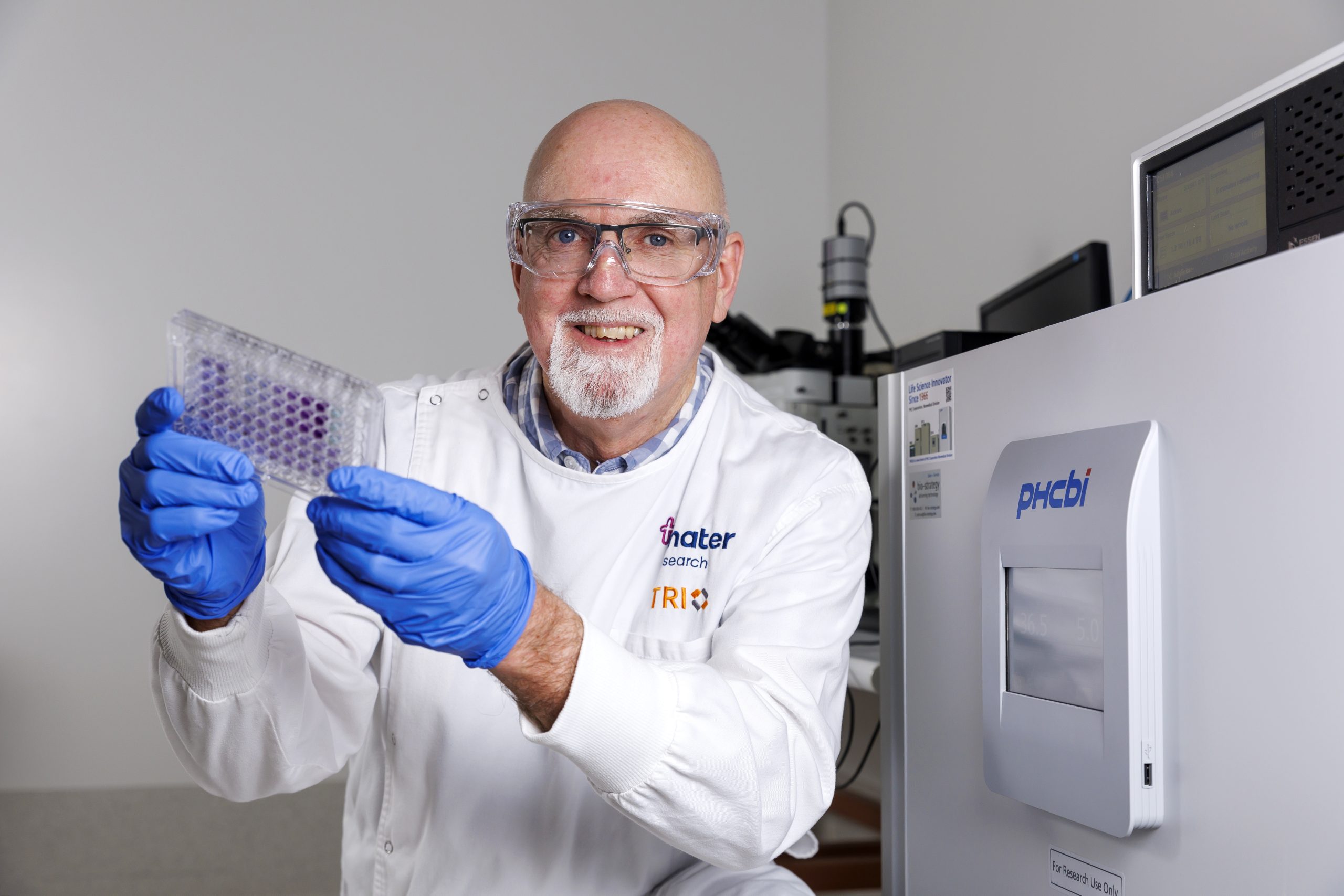
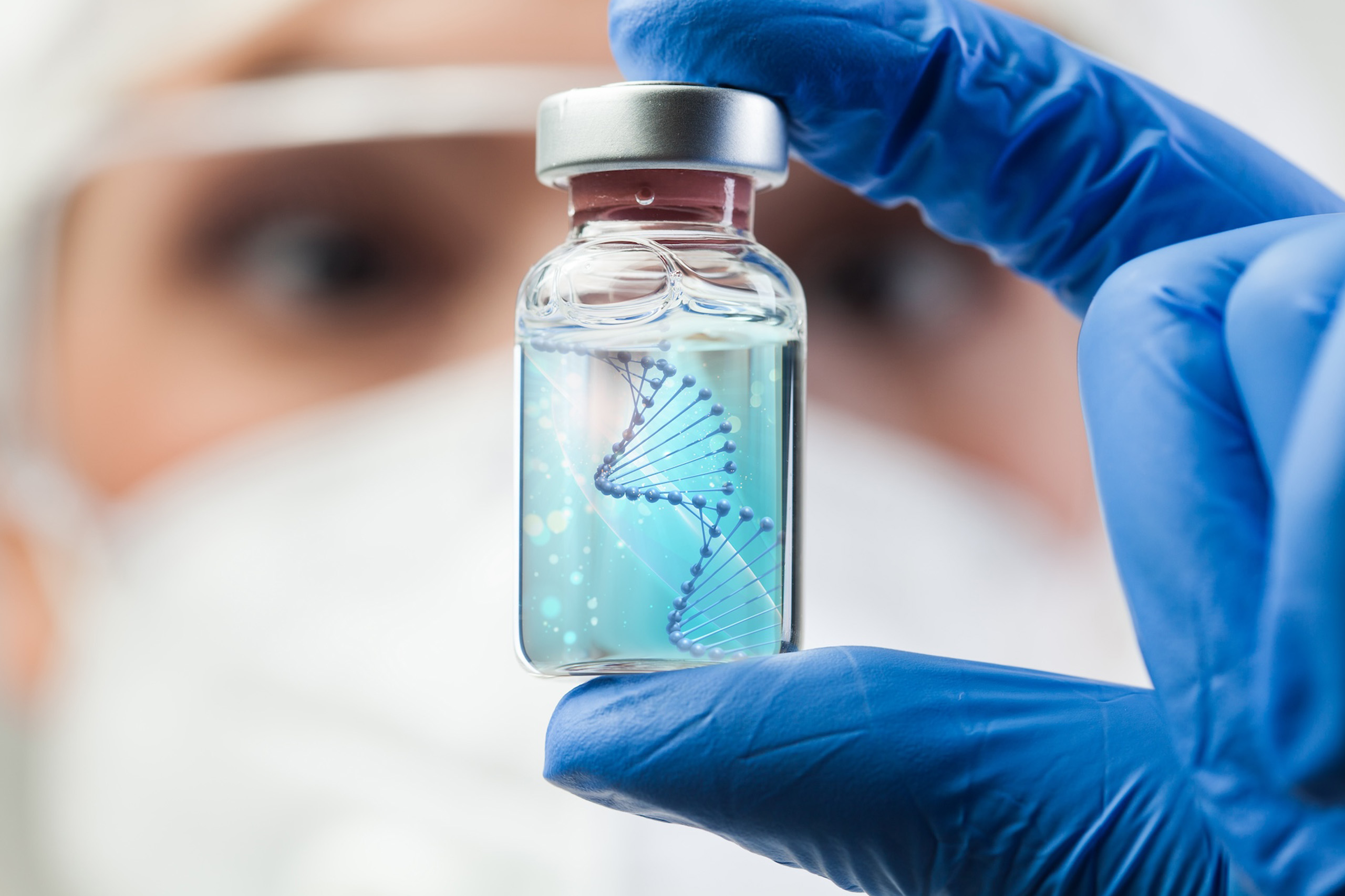
The new TRI Human Immune Model Facility (HIMF) will generate and distribute immune-humanised models, which leverage the highly immunodeficient NOD scid gamma (NSG) background developed at JAX.
These models are engineered to accommodate human immune progenitor cells which develop into mature human immune cells that are compatible with the host.
The approach is further enhanced by incorporating human genes, such as those encoding histocompatibility or growth factors, to cultivate specific human immune cell populations.
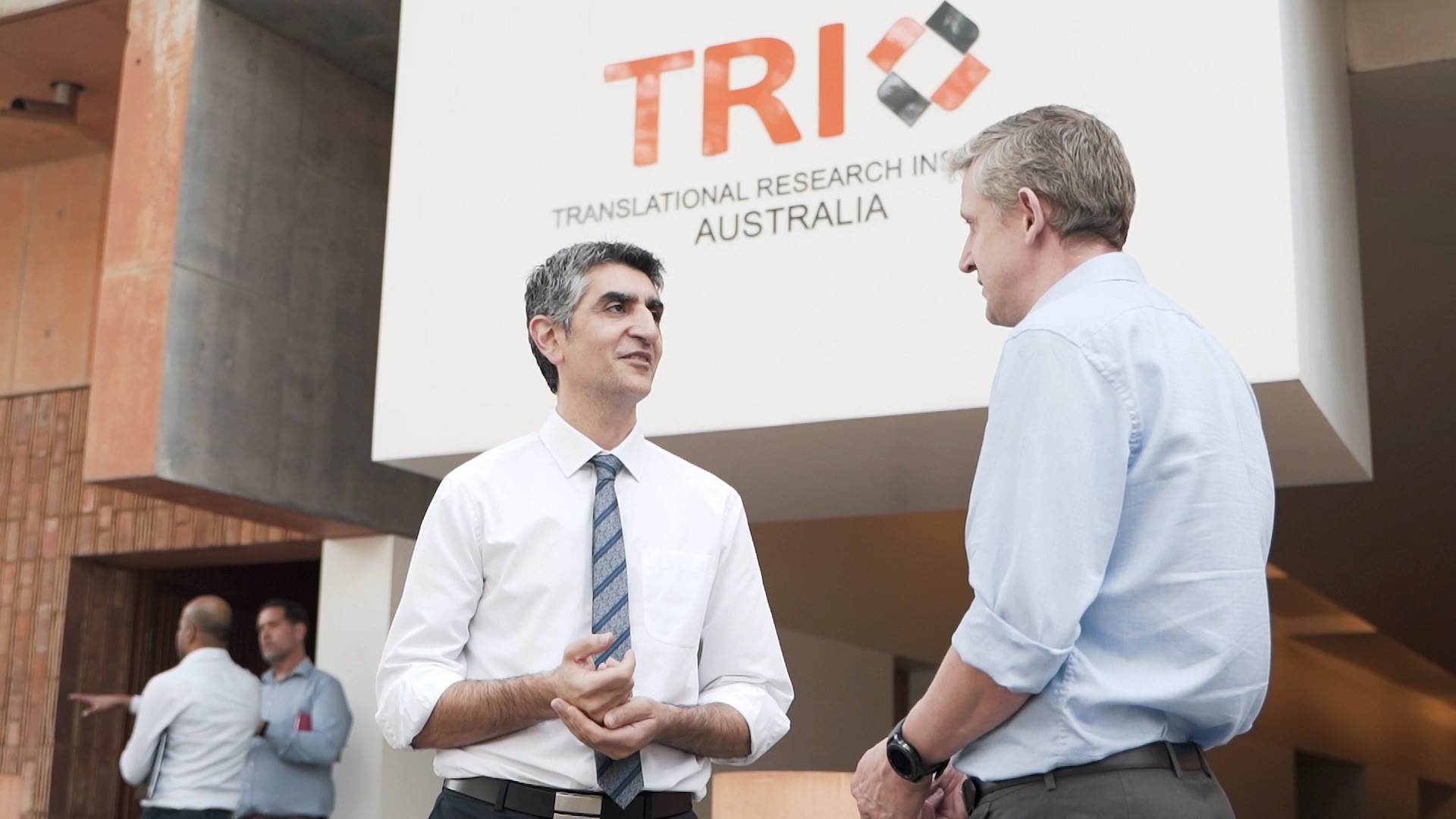
TRI CEO, Professor Scott Bell, said the TRI HIMF would bridge a critical gap in biomedical research for Australian researchers and industry.
“Through this partnership, the facility will offer some of the most advanced models for faithful replication of the human immune system,” Professor Bell said.
“The models developed at the facility have broad application, from studying disease biology and progression to drug screening, and will accelerate the translation of preclinical research to the clinic.”
Melanie Moon, Vice President of Global Commercial Operations at JAX added, “The partnership with TRI is fundamental to our goal of expanding access to critical platforms for research and drug development around the world. We are very pleased to have TRI as an authorised distributor of JAX humanised models to the Australian research community.”
Immune-humanised models are instrumental in driving significant advancements in medical research in fields such as oncology, immunology, hematology, autoimmunity, and infectious disease.
The development of modern therapeutics such as monoclonal bispecific antibodies relies on humanised models due to the specificity of their targeting to human proteins.
HIMF will underpin the development of therapeutics for diseases including cancer, type 1 diabetes, Alzheimer’s disease and infectious diseases.
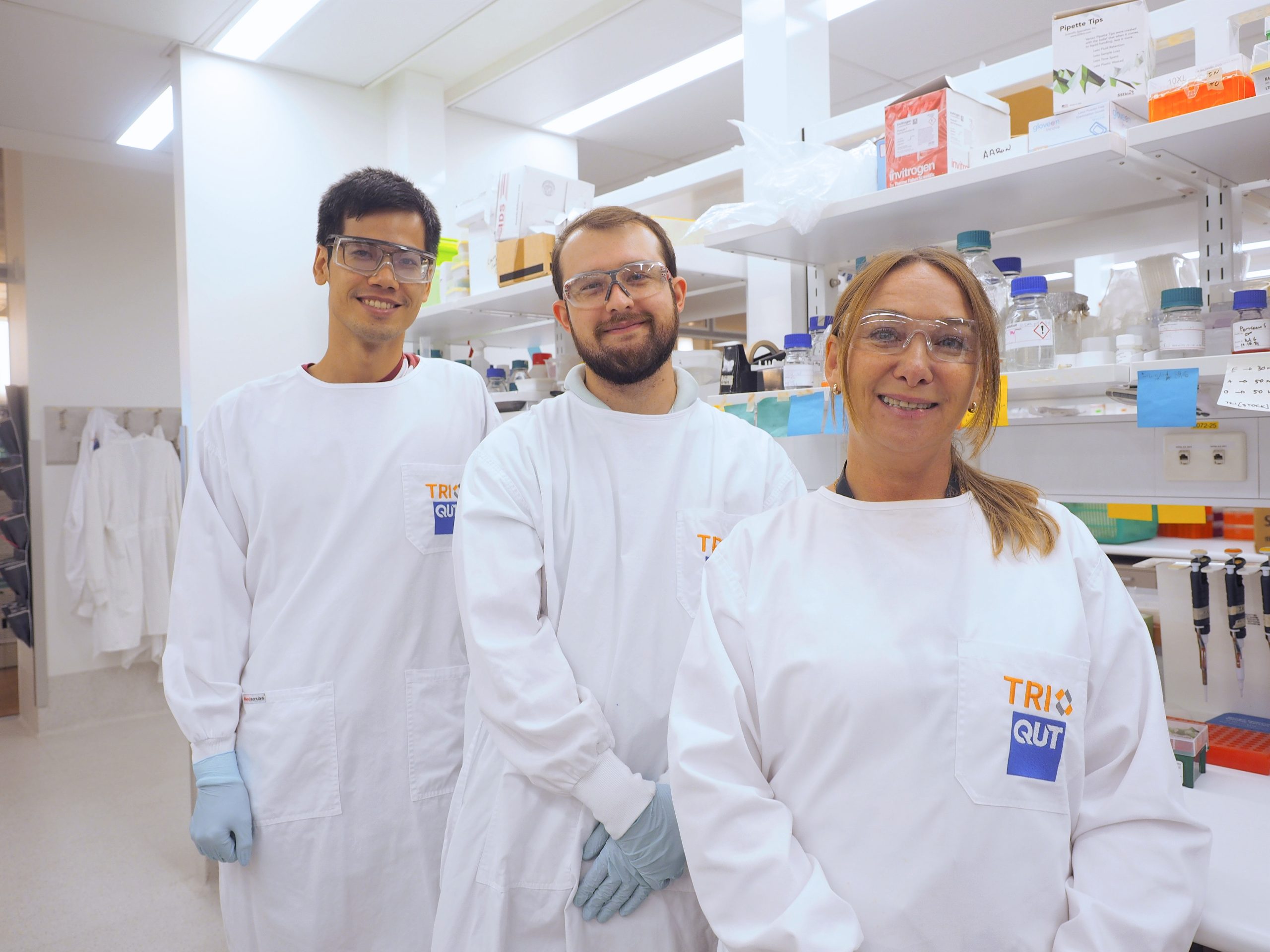
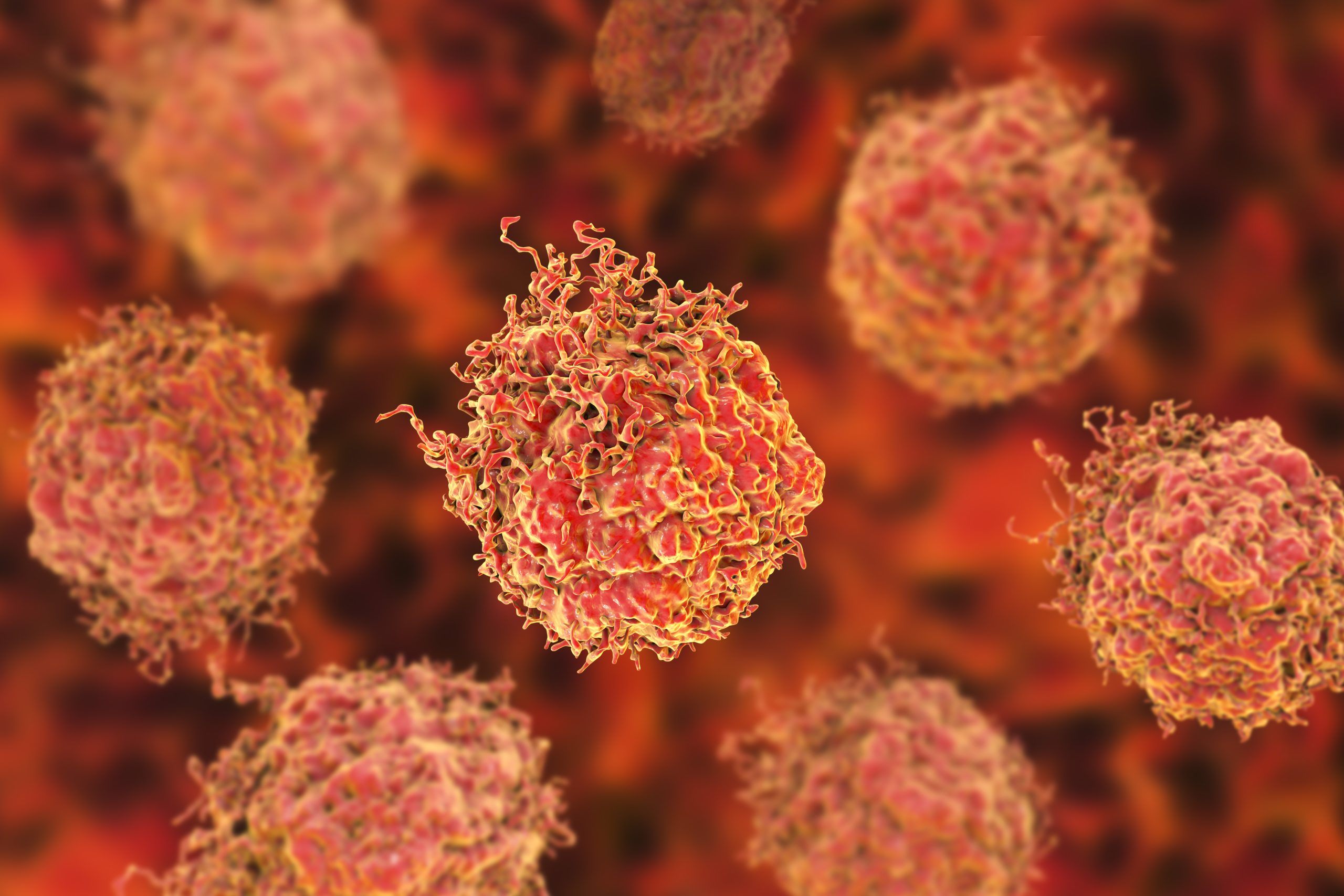
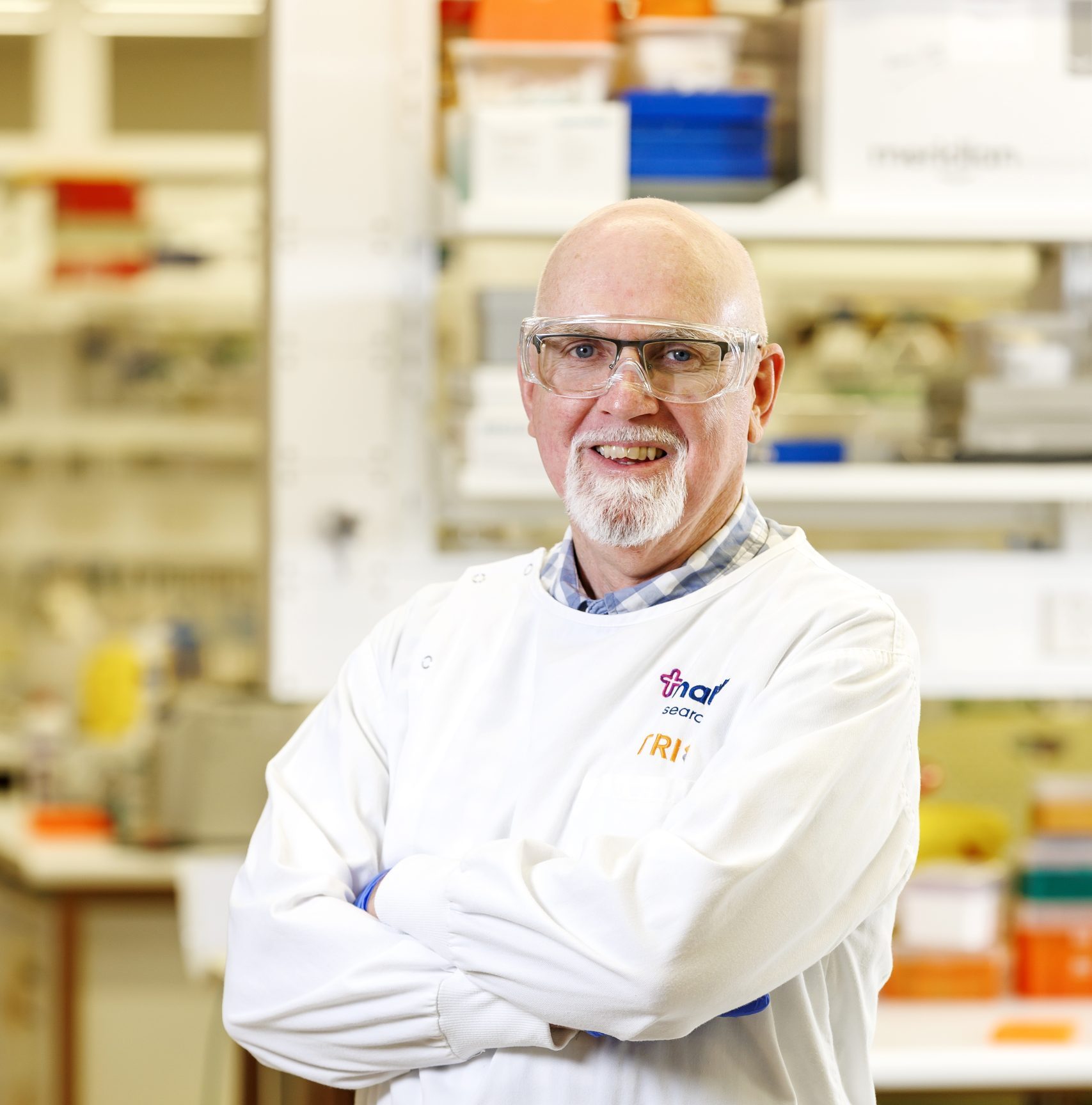
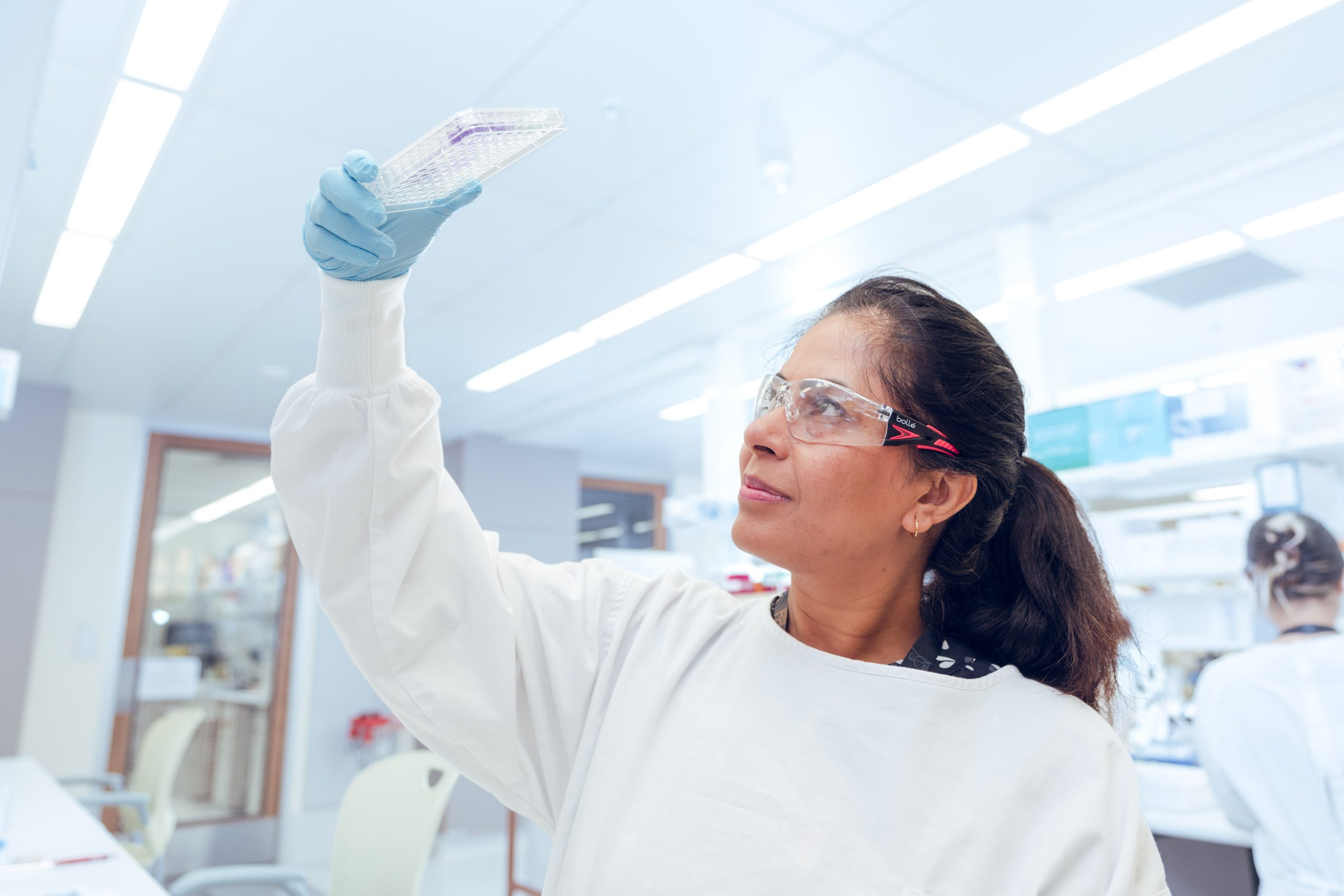
TRI-based Associate Professor Pam Pollock from QUT uses human immune models, populated with tumour cells from endometrial cancer patients, to identify new combinations of therapeutics.
“The models more faithfully replicate the complex genomic changes seen in patient tumours,” she said.
“This is especially important for cancers with varying subtypes, based on their mutations or genetic changes, that respond differently to chemotherapy and immunotherapy.
“We aim to identify and validate new and more effective immunotherapy combinations – and ultimately generate preclinical data to support a clinical trial for patients with metastatic cancer.”
HIMF will benefit from TRI’s Gnotobiotic Facility, located within the TRI Biological Research Facility and capable of supporting germ-free and gnotobiotic experiments.
This ensures the elimination or control of microbiota in preclinical models, which is a growing area of focus for research into numerous diseases.
Professor Bell said TRI was looking forward to collaborating with JAX to make HIMF’s humanised models available to researchers from early 2025.