AdvanCell's mission to revolutionise cancer treatment
A world-first clinical trial for metastatic prostate cancer is underway in Australia, using a specialised treatment developed by AdvanCell, a pioneering Australian biotechnology company based at TRI.
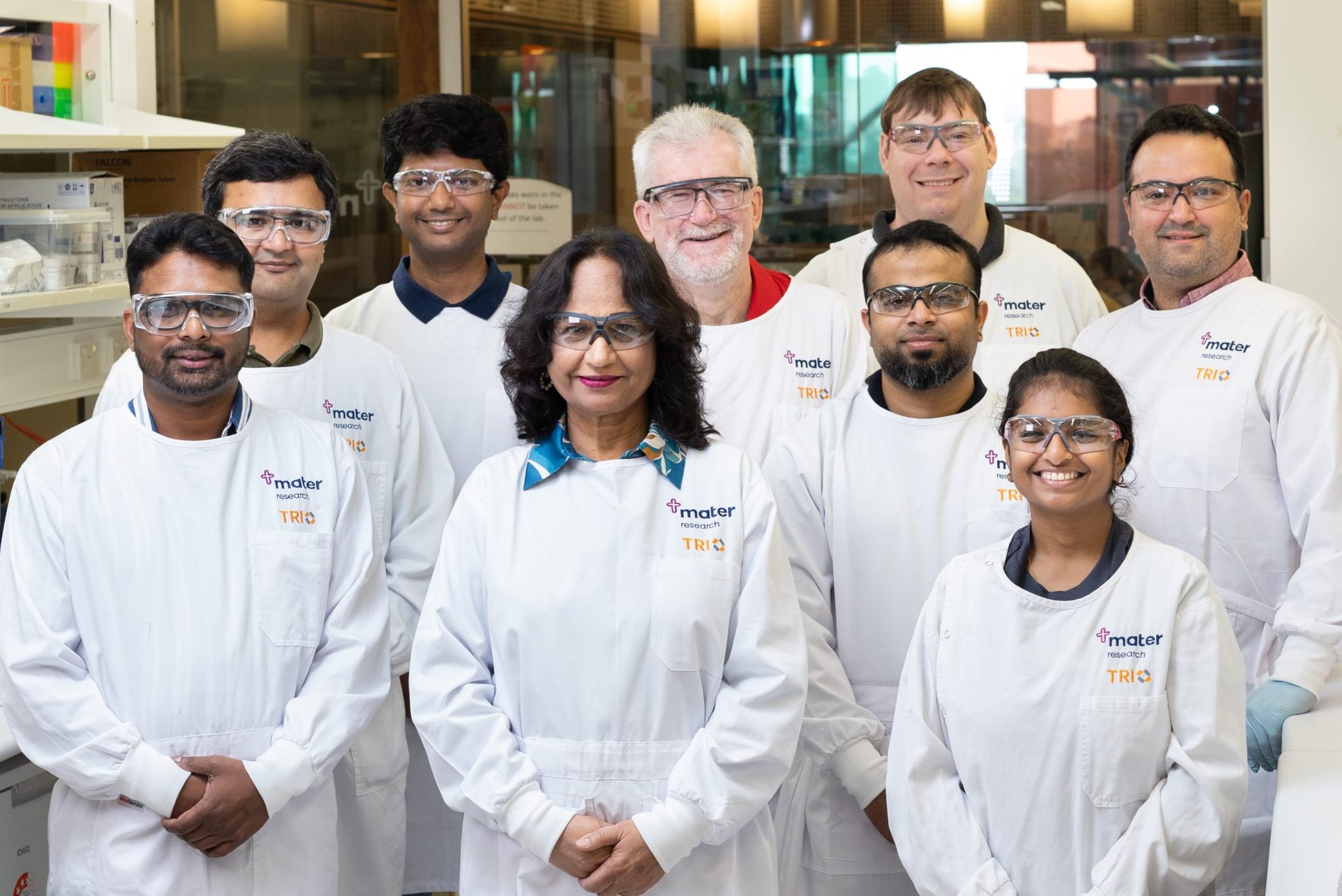
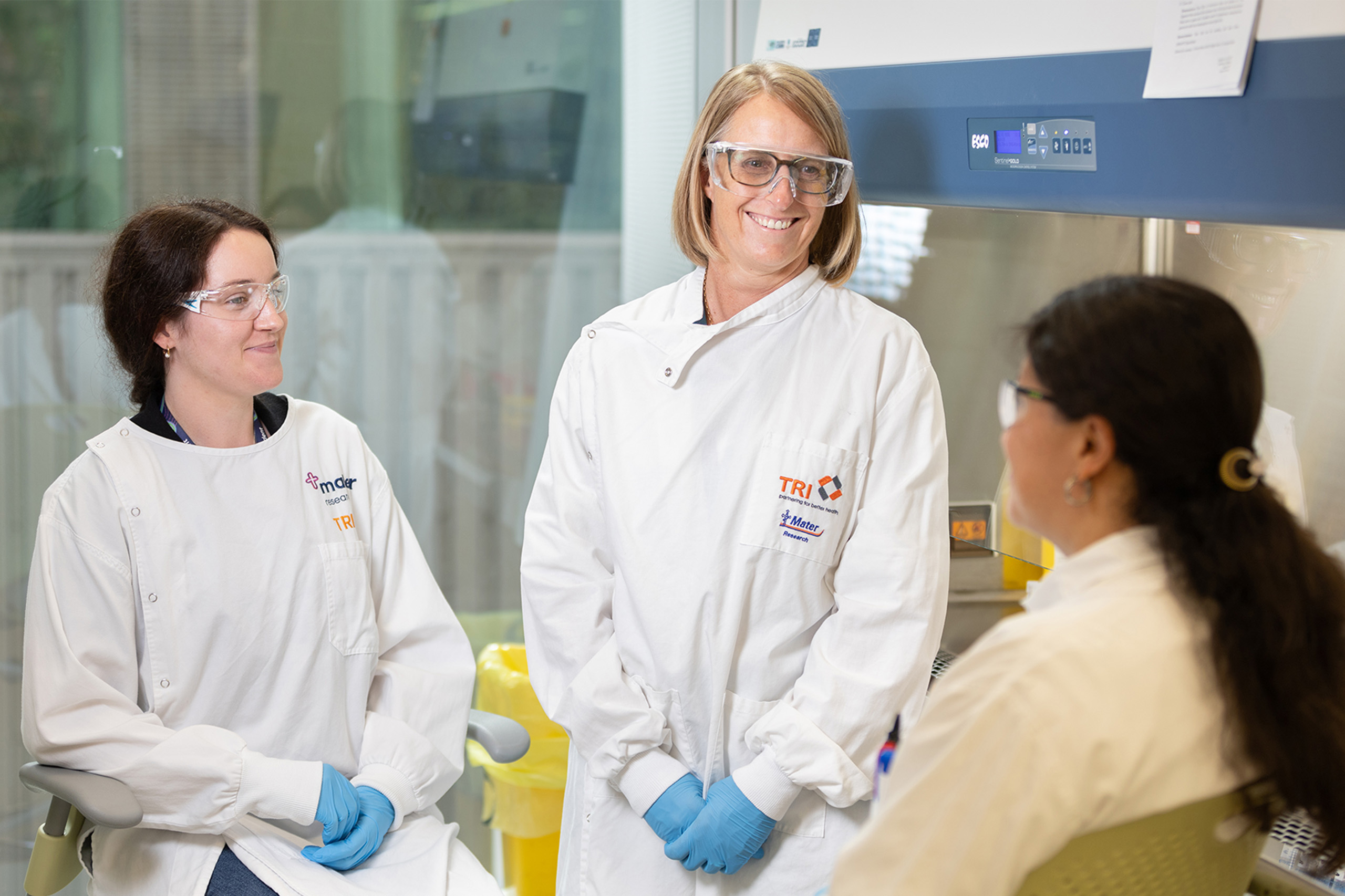
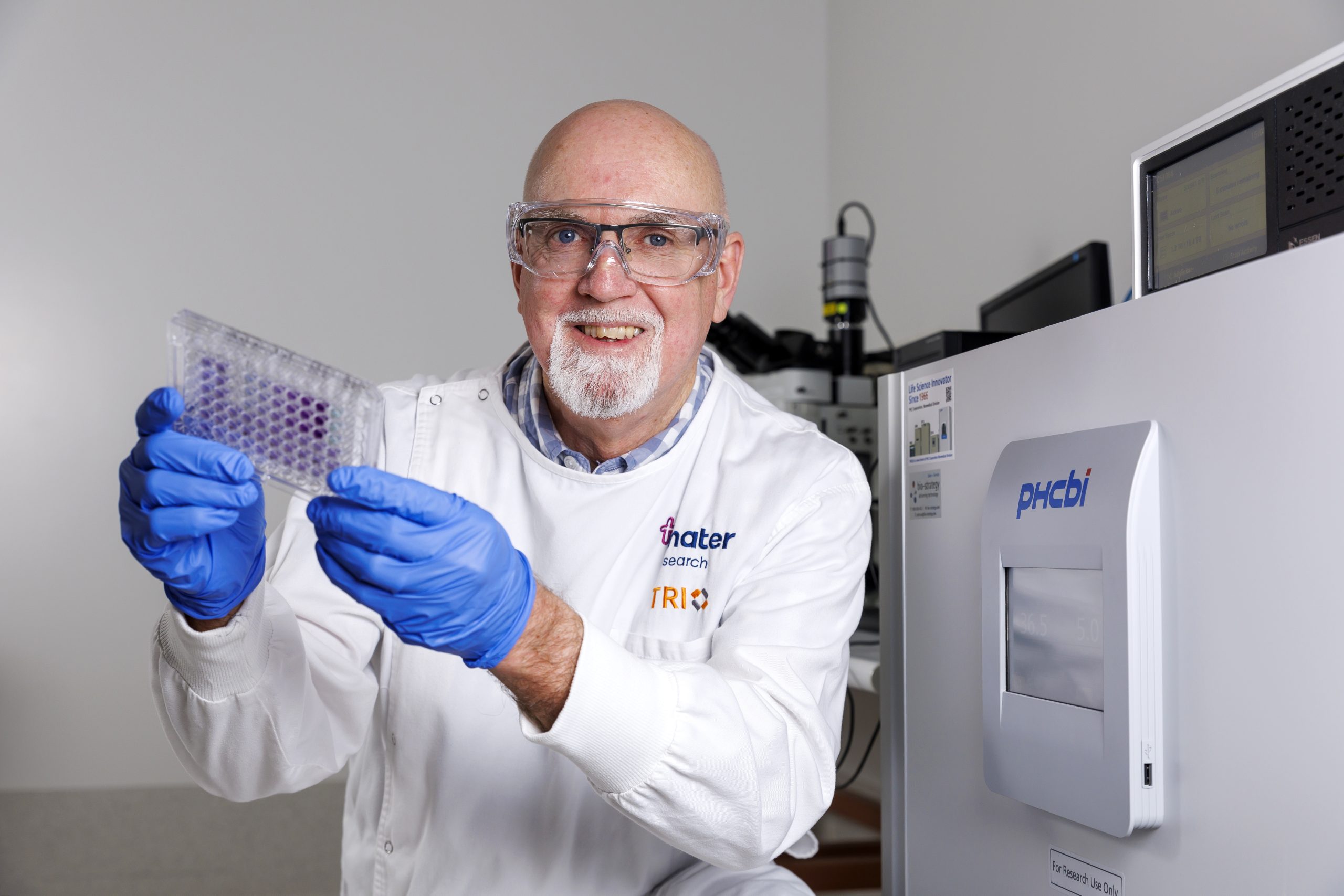
With the support of expert staff and advanced technologies at TRI’s Core Facilities, AdvanCell is leading the development and commercialisation of radiopharmaceutical therapies for hard-to-treat cancers.
Targeted alpha therapies
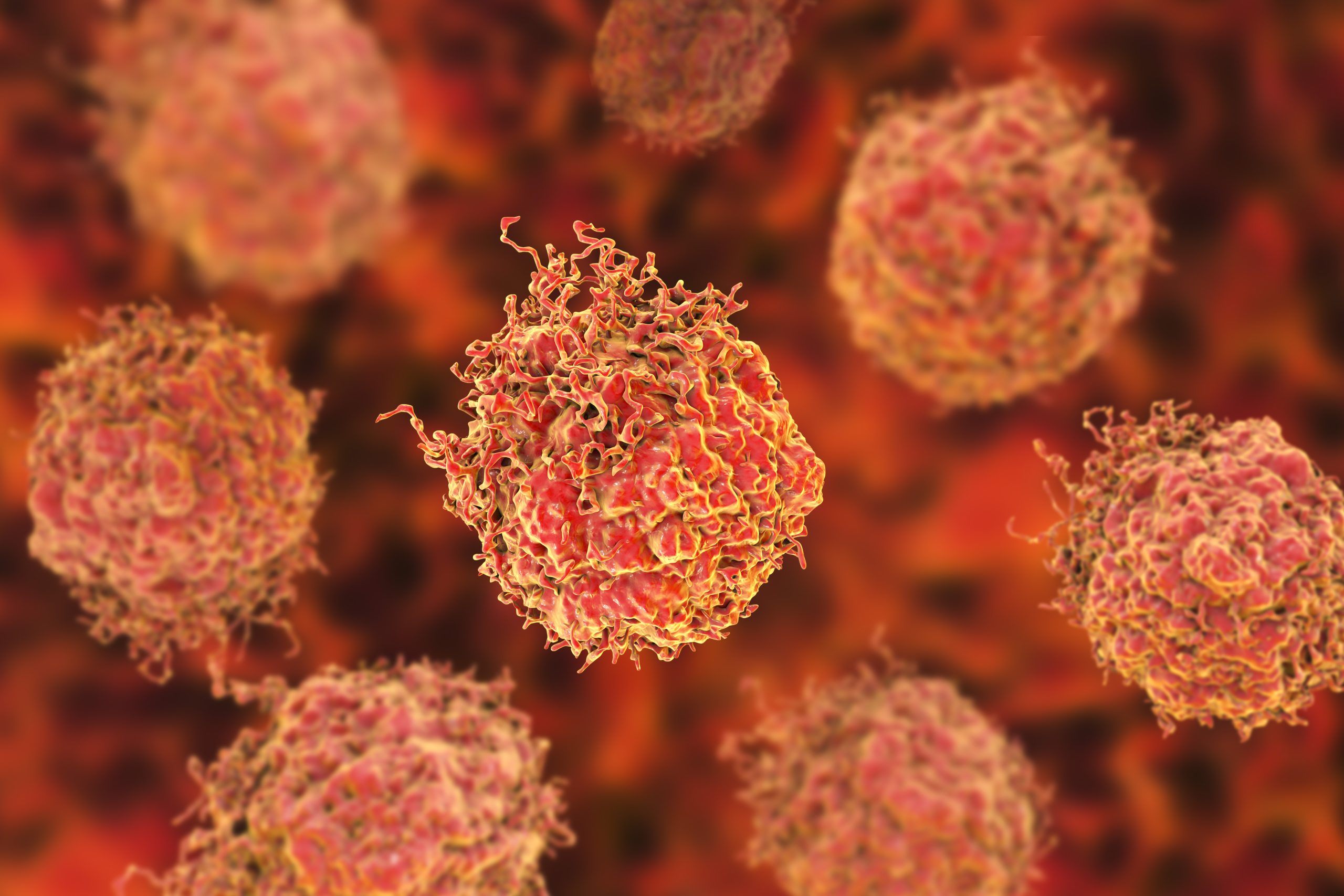
Targeted alpha therapies (TAT) use alpha-emitting radioisotopes combined with specialised targeting molecules to selectively destroy cancer cells, while minimising damage to surrounding healthy tissue.
This approach offers fewer side effects compared to traditional cancer treatments and is particularly effective for metastatic cancer, where cancer cells have spread throughout the body.
Clinical trial for ‘untreatable’ prostate cancer
In partnership with the Princess Alexandra Hospital and the Royal Women and Children’s Hospital Brisbane, AdvanCell has launched a groundbreaking clinical trial investigating a first-in-human study using TAT for metastatic prostate cancer.
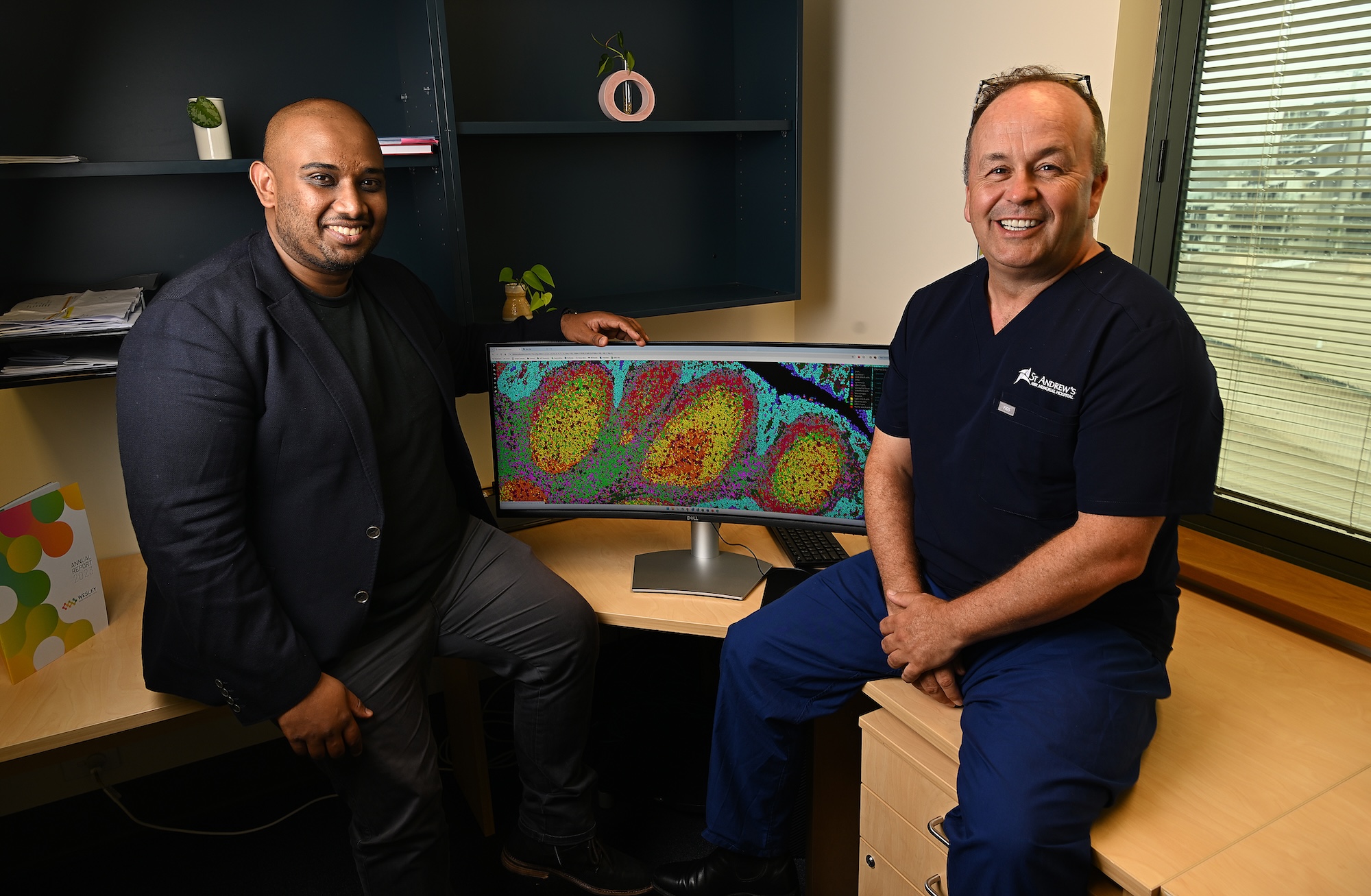
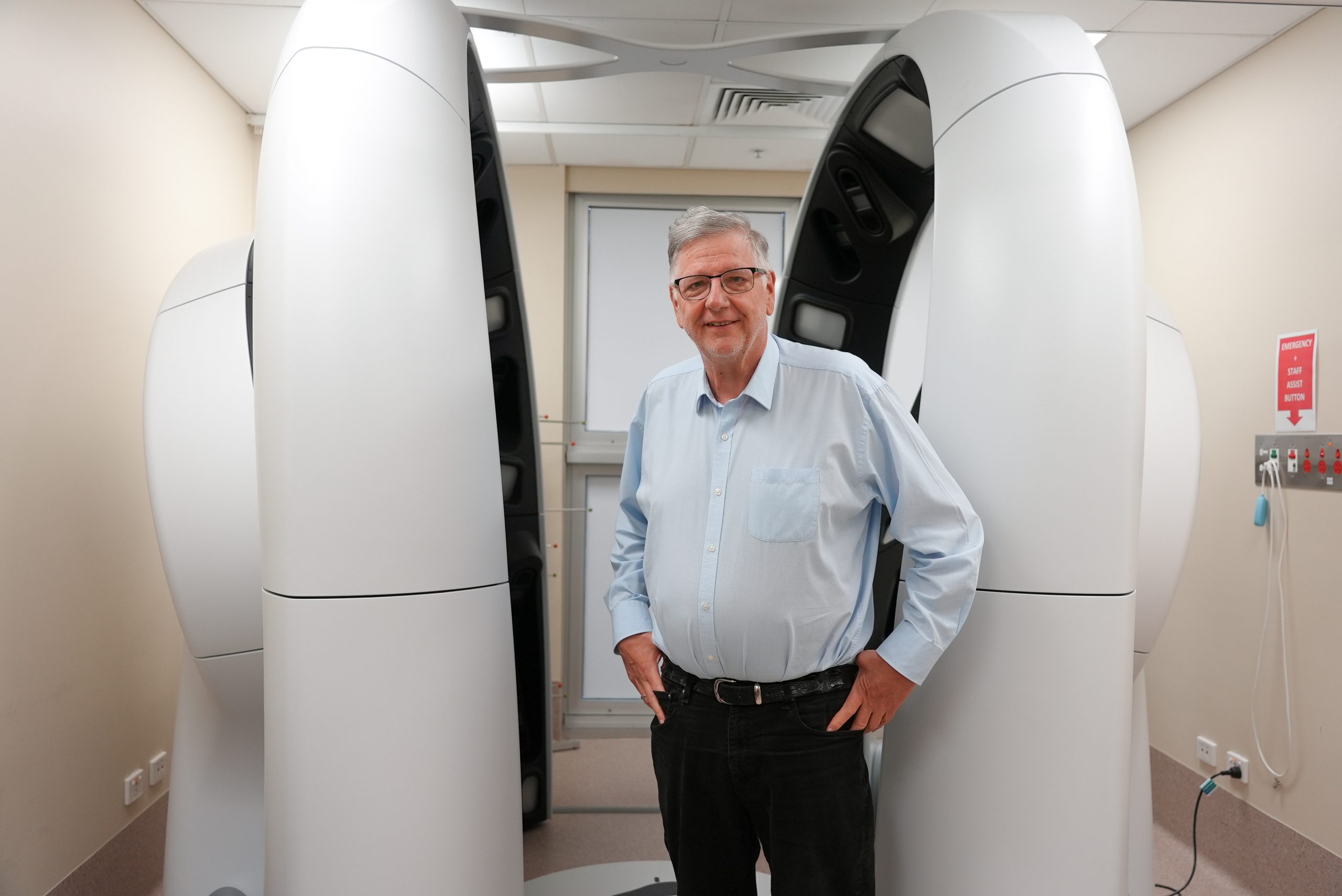
The first patient was treated in November 2023. Following the patient’s treatment, specialised scans (SPECT/CT) performed at 1.5, 5, 20, and 28 hours afterwards showed that the drug quickly targeted the tumours and remained there even 20 hours later, indicating the treatment’s effectiveness.
The study is currently recruiting and aims to enrol up to 18 participants through the PAH and RBWH.
Advanced capabilities and facilities
AdvanCell is using radiopharmaceutical innovations to revolutionise cancer treatments.
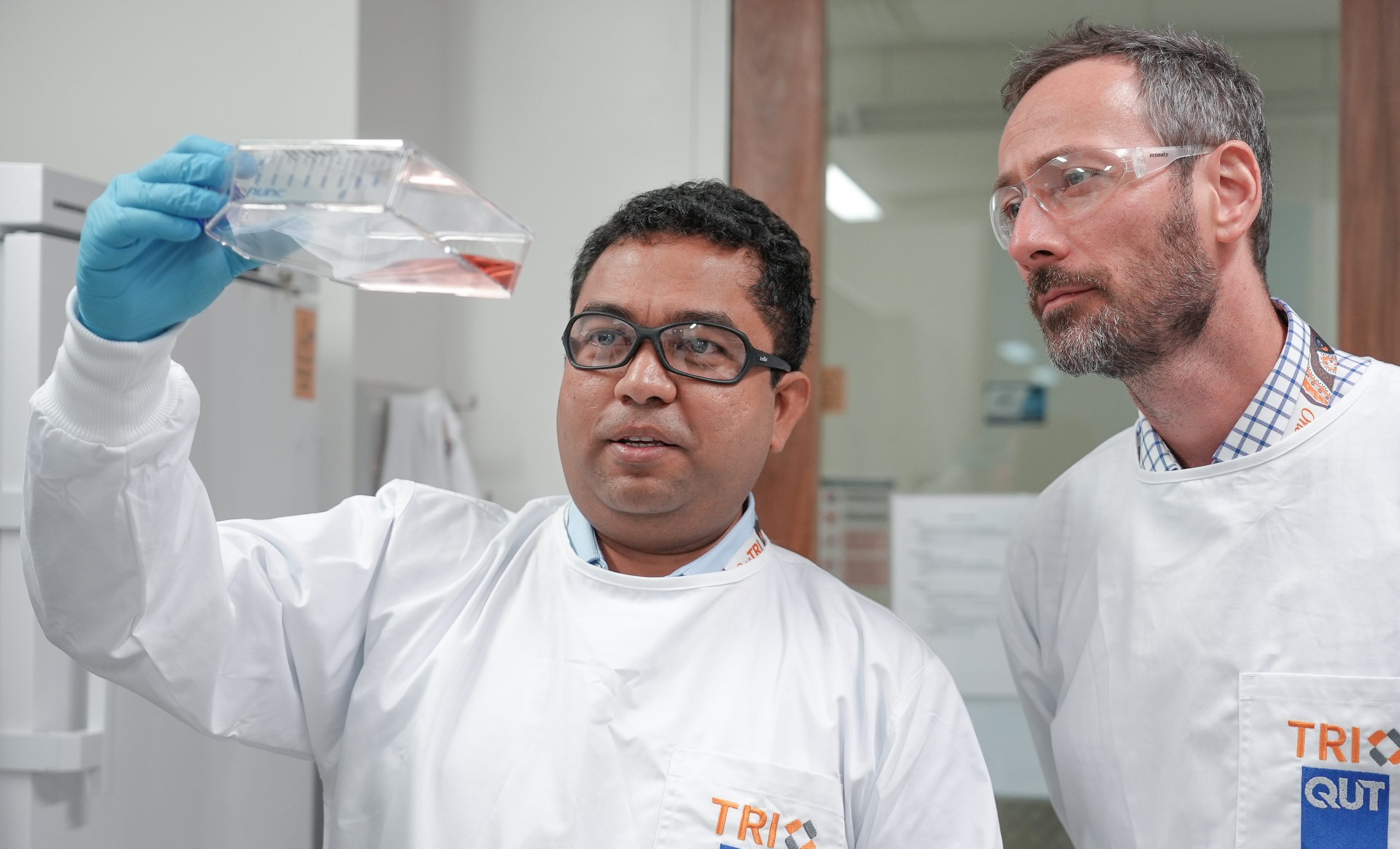
Being based at TRI provides access to the expert team and advanced technologies at TRI’s Core Facilities.
AdvanCell Chief Scientific Officer, Dr Simon Puttick, said working with TRI’s Core Facilities meant they could get cancer treatments to patients much faster than they could do alone.
“Our current prostate cancer trial progressed from concept to clinical trial in just two years – a remarkable achievement largely due to the support from the experts at TRI’s Core Facilities.
“TRI’s Core Facilities have supported all our drug development and pre-clinical trial work, enabling us to work at an unprecedented speed to bring these innovative treatments to patients.
“As a young Australian biotech company, the team and technologies at TRI give us a competitive edge over international biotech firms, allowing us to effectively turn one employee into ten.”
Looking ahead, AdvanCell aims to expand its pipeline of radiopharmaceuticals, targeting a broader range of cancers. The company is also exploring opportunities to enhance its production capabilities and increase global access to its therapies.
TRI Core Facilities
TRI has seven specialised core facilities across various areas: biological research, gnotobiotics, preclinical imaging, proteomics, histology, flow cytometry, and microscopy.
World-class capabilities and facilities are available to all researchers through TRI’s shared specialist Core Facilities and are also available to external researchers and institutions.
Find out more about TRI Core Facilities.
About AdvanCell
AdvanCell has created proprietary technology for producing high-purity alpha-emitting isotopes and developing advanced targeting mechanisms, such as monoclonal antibodies, peptides, and small molecules, to deliver radioisotopes directly to cancer cells.
Their integrated platform covers the entire radiopharmaceutical development lifecycle — from isotope production and drug formulation to clinical trials and regulatory approval—accelerating the transition from research to clinical application and swiftly bringing innovative treatments to patients.
Find out more about AdvanCell.
Research publication
Matthew R Griffiths, David A Pattison, Melissa Latter, Kevin Kuan, Stephen Taylor, William Tieu, Thomas Kryza, Danielle Meyrick, Boon Quan Lee, Aaron Hansen, Stephen E Rose, Simon G Puttick. First-in-Human 212Pb-PSMA–Targeted α-Therapy SPECT/CT Imaging in a Patient with Metastatic Castration-Resistant Prostate Cancer. Journal of Nuclear Medicine Feb 2024, jnumed.123.267189; DOI: 10.2967/jnumed.123.267189
Published news stories
Princess Alexandra Hospital home to world first cancer trial
Princess Alexandra Hospital home to world first prostate cancer trial