Case Studies
A new era in cancer diagnosis and treatment
TRI-based researchers from Mater Research are using theranostics to detect and treat some of the deadliest cancers, including pancreatic, ovarian, and bladder cancer.
Theranostics is a medical approach that combines diagnostic imaging with targeted therapy to diagnose and then treat diseases.
Key points
- A team of TRI-based researchers under the leadership of Mater Research Professor John Hooper is developing theranostic agents that combine diagnostic imaging with targeted therapy to treat difficult cancers such as ovarian, pancreatic and bladder cancer.
- Their approach targets specific proteins enriched on cancer cells, allowing for precise detection and treatment, minimising damage to healthy tissues and improving patient outcomes.
- The theranostics approach has led to advancements in diagnosing and treating prostate and thyroid cancers and neuroendocrine tumours.
- The team is hoping that their ongoing efforts, including through clinical trials, will see new theranostic agents for ovarian, pancreatic and bladder cancer.
Theranostics
Theranostics is an emerging area of science that combines diagnostic imaging with targeted therapy to diagnose and treat diseases. It has successfully diagnosed and treated cancers such as prostate, thyroid and neuroendocrine tumours.
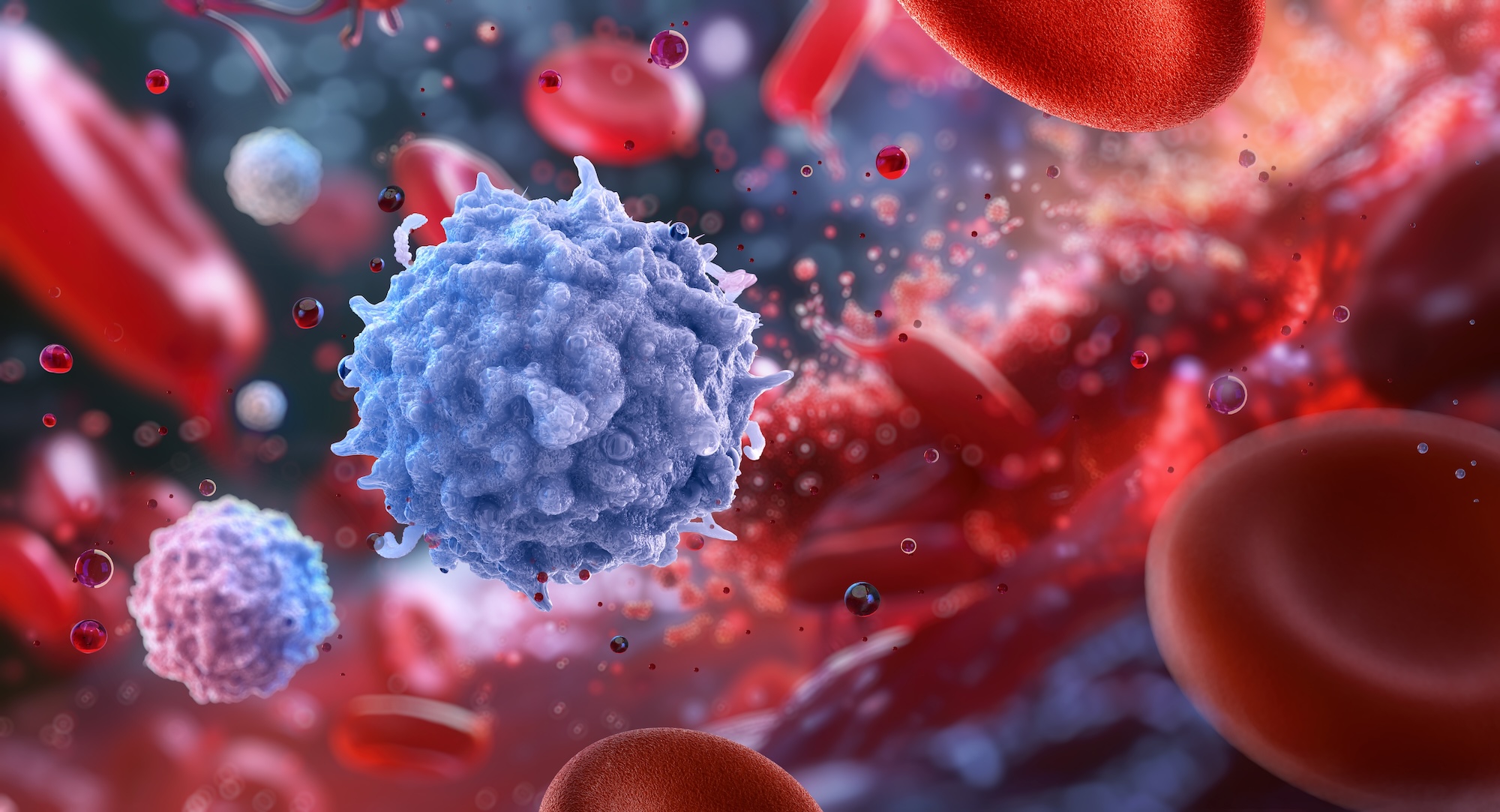
It works by using an agent that binds to specific proteins that are enriched on the surface of cancer cells, enabling precise imaging to identify tumour locations and then delivering targeted treatment directly to those cancer cells, improving accuracy and minimising side effects.
An approach for treating ‘untreatable’ cancers
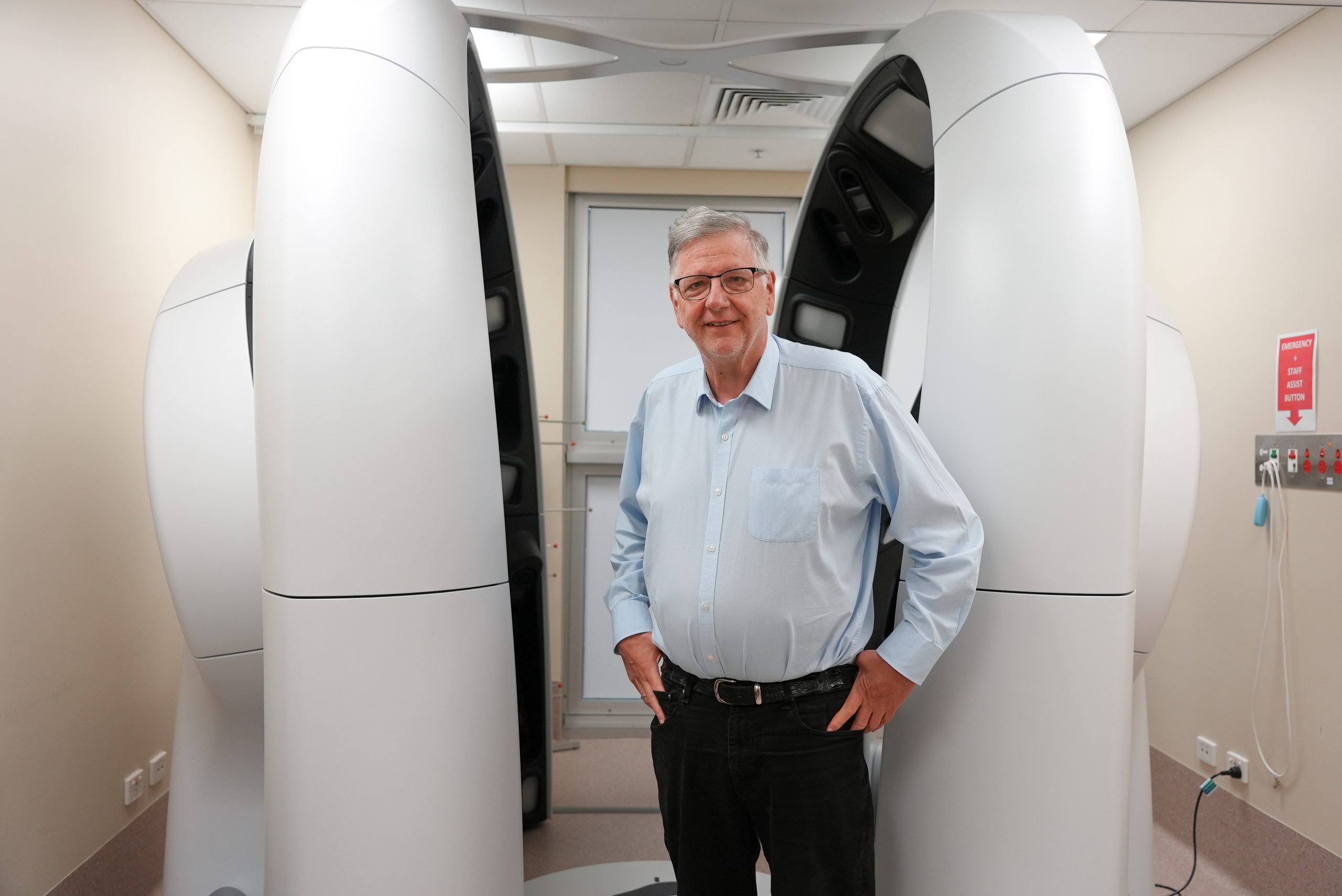
Based at TRI, a team of researchers led by Mater Research Professor John Hooper is working on theranostic agents to help treat some of the hardest-to-treat cancers, such as ovarian, pancreatic, and bladder cancer.
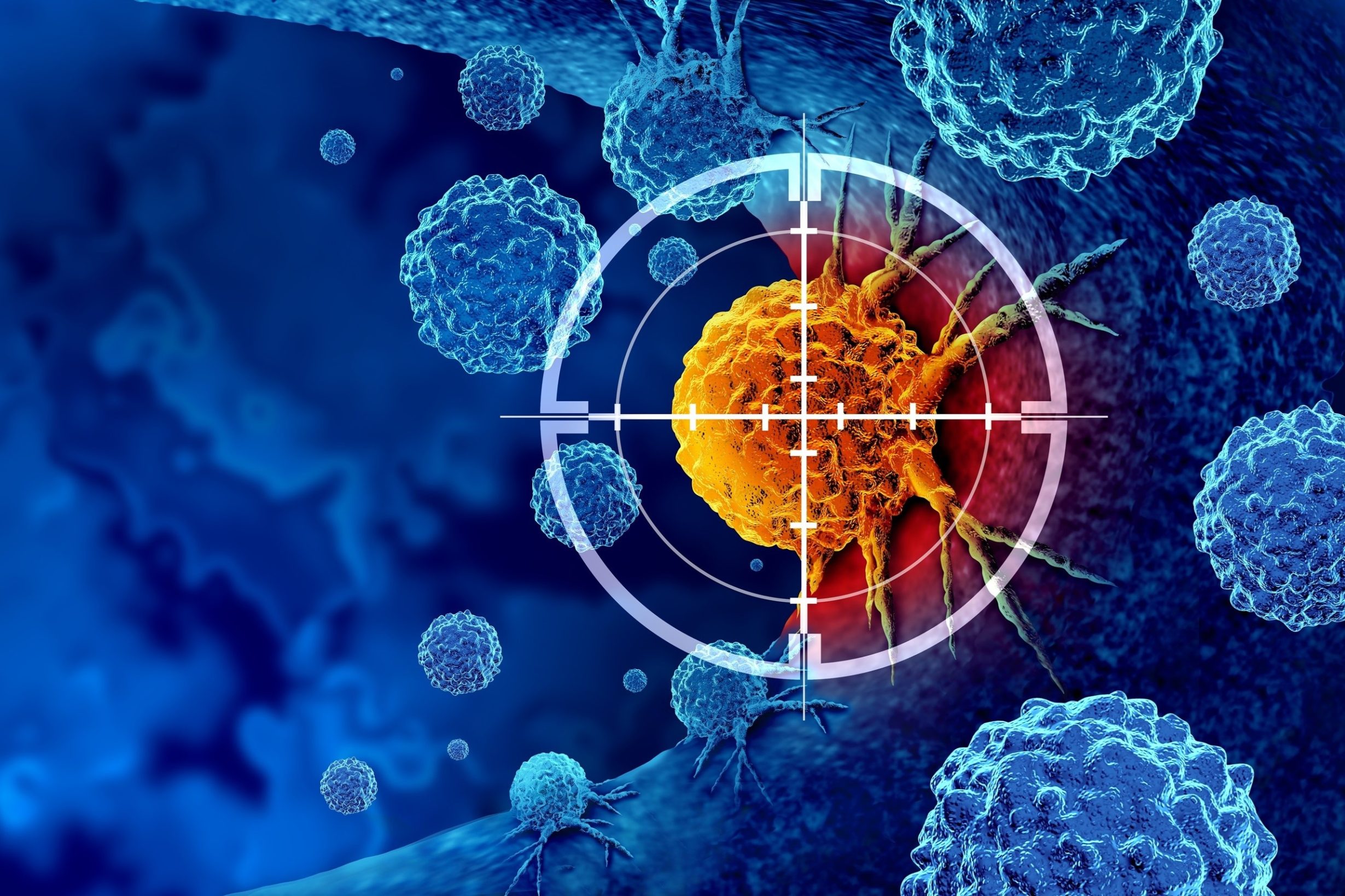
Their work focuses on identifying and targeting specific proteins enriched on cancer cells. Initially, they discovered a protein in ovarian cancer cells significantly more abundant than in normal cells, which became the target for their theranostic agent. In ovarian, pancreatic, and bladder cancers, the same protein is overexpressed on the cell surface, serving as a target for theranostic agents.
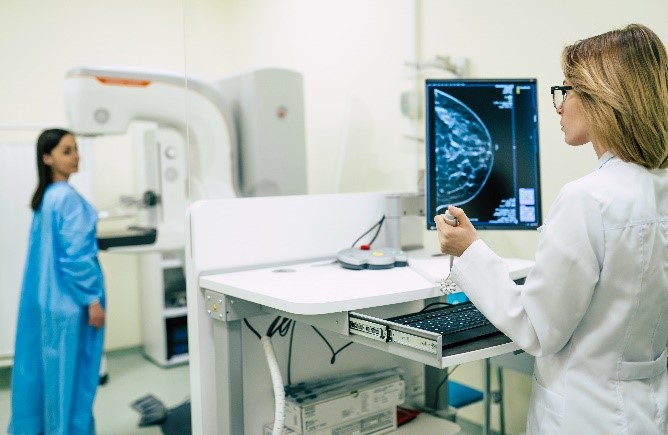
The team developed binding agents that attached specifically to these proteins, acting as a delivery mechanism for various payloads. When the payload is radioactive, the agent is used for imaging and early detection of cancer, particularly useful in PET-CT scans where the radioactive agent highlights cancer cells. When the payload is a drug, the agent delivers the drug directly to the cancer cells, minimising damage to healthy cells and increasing treatment effectiveness.
Ovarian cancer
In Australia and globally, ovarian cancer has the lowest survival rate among female cancers, with only about 50 out of 100 women surviving five years post-diagnosis. The biggest challenges facing ovarian cancer patients are late diagnosis and non-durable treatments.
In 2020, Professor Hooper and his team received funding from the Australian Government’s Medical Research Future Fund to begin a first-in-human trial to test their new theranostic agent for epithelial ovarian cancer. The trial aims to improve the detection and ultimately treatment of epithelial ovarian cancer, which has a notoriously low survival rate.
It uses a radio-tracer developed by the team to enhance the visibility of ovarian cancer cells during PET-CT scans. The approach, similar to methods used in prostate cancer diagnosis, could significantly improve the early detection and management of ovarian cancer. The ongoing trial is being conducted at the Royal Brisbane and Women’s Hospital Nuclear Medicine Department, with the support of Dr Kathryn Middleton and the Medical Oncology, Gynaecological Oncology and Pathology services at the Mater Hospital.
Bladder cancer
Around 570,000 people are diagnosed with bladder cancer worldwide each year and a significant proportion develop an advanced and aggressive form of the disease. Using their theranostic approach, and leveraging a $950,500 CUREator grant secured in May 2024 through the Australian Government’s Medical Research Future Fund, the team will also test their theranostic agent for detection of bladder cancer. They aim to progress to treatment trials if the detection trial is successful. They have licensed their technology to the biomedical startup OncoStrike Biopharma, with the goal of also securing economic benefits for the Australian community.
Pancreatic cancer
Pancreatic cancer has the lowest survival rate among common cancers. Only 12.5 per cent of patients survive five years post-diagnosis, a rate that drops to 6 per cent for those in rural and regional areas. With funding support from the Australian Pancreatic Cancer Foundation, the team is further developing their approach and testing which agents perform the best to detect and treat pancreatic cancer.
Professor Hooper said he and his team wanted to help to personalise cancer treatment, offering new hope for patients facing some of the deadliest cancers.
“By identifying and targeting specific proteins enriched on cancer cells, we can develop highly accurate treatments that minimise damage to healthy tissue and improve patient outcomes,” Professor Hooper said.
“The future of cancer treatment lies in personalised medicine, where we tailor therapies to the unique characteristics of each patient’s cancer, increasing the effectiveness and reducing the toxicity of treatments.
“Our goal is to transform the prognosis for patients with traditionally untreatable cancers by developing innovative theranostic agents that not only detect but also effectively target and treat these aggressive diseases.”
Professor Hooper and his team at TRI are working to revolutionise cancer treatment and offer new options for patients facing some of the deadliest cancers. Their receptor-directed precision approach could transform the treatment landscape for multiple cancer types, offering hope for improved survival rates and quality of life for patients. As their work progresses, it is likely to inspire further research and innovation in cancer biology.
Professor Hooper has spent nearly three decades dedicated to cancer research. He has been working with his team on their target protein since 2001 and co-developed the technology with the Scripps Research Institute and CSIRO.
Collaborators include Royal Brisbane and Women’s Hospital nuclear medicine physician Associate Professor Paul Thomas, medical oncologist Associate Professor David Wyld and urologist Associate Professor Matt Roberts, Mater medical oncologists Dr Cath Shannon, Dr Niara Oliveira and Dr Kathryn Middleton, gynaecological oncologists Professor Lewis Perrin, Dr Naven Chetty, Dr Nisha Jagasi and Dr Nim Cabraal, and pathologists Dr Rohan Lourie and Dr Admire Matsika, and Princess Alexandra Hospital urologist Professor Ian Vela.
Research publication
Tashbib KhanThomas KryzaNicholas J LyonsYaowu HeJohn D Hooper; The CDCP1 Signaling Hub: A Target for Cancer Detection and Therapeutic Intervention. Cancer Res 1 May 2021; 81 (9): 2259–2269. DOI: doi.org/10.1158/0008-5472.CAN-20-2978
Published news story
Technology shines a light on better bladder cancer detection