Case Studies
The First 1000 Days: the Strong Families Study
Understanding the health and wellbeing needs of First Nations families from pregnancy to the first 1000 days.
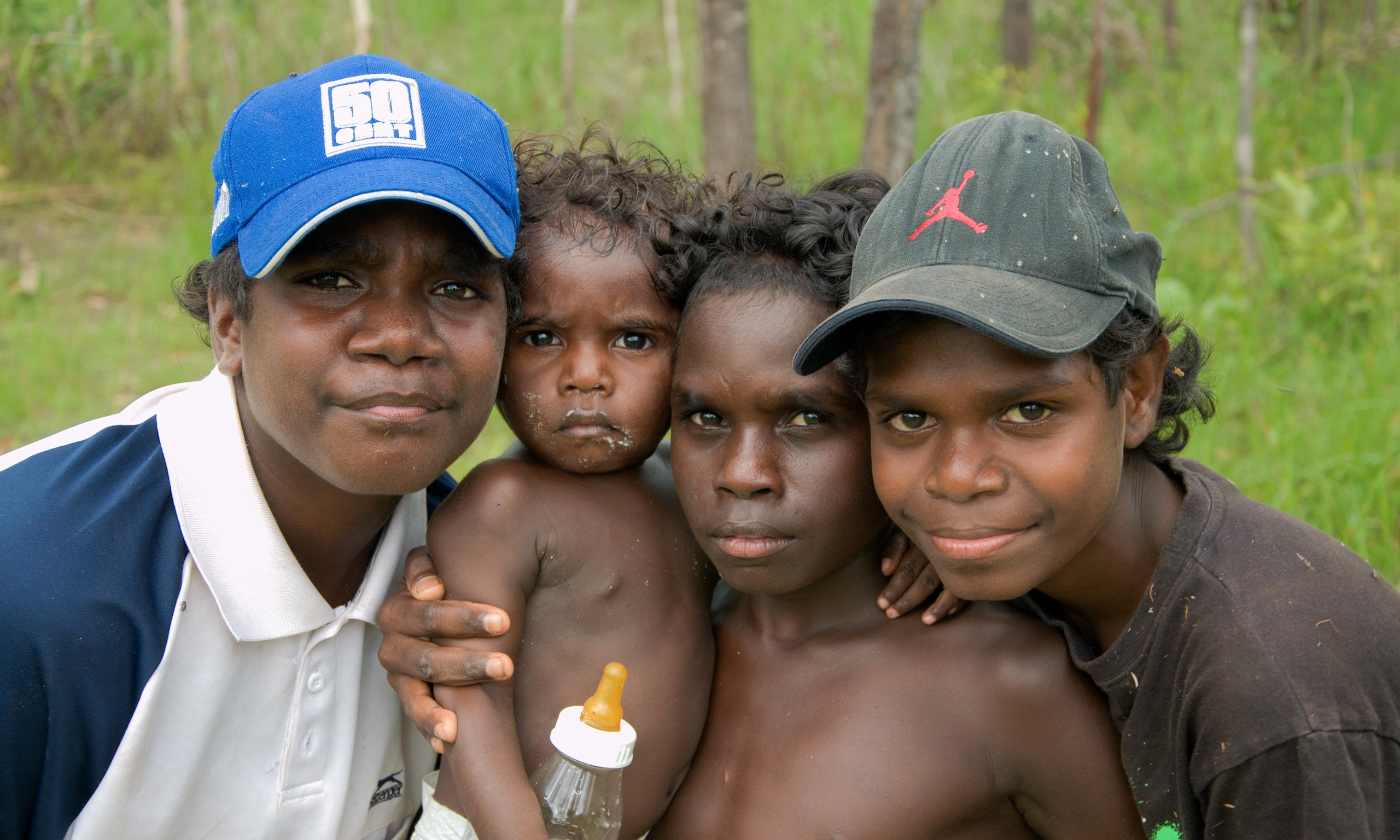
The Strong Families Study (SFS) is the first longitudinal, cohort study with Aboriginal and Torres Strait Islander (herein respectfully First Nations) parents in Queensland—from pregnancy and into the early years of their baby’s life—to understand health trajectories and ensure culturally responsive healthcare is available and accessible.
The Indigenous Health Research group at Mater Research works with partnering health services in communities around Queensland to understand the needs of mothers, fathers and carers from pregnancy to the first 1000 days. The team’s research aims to understand what contributes to better health and wellbeing for First Nations people.
The SFS will also provide health and social support in real time and as needed, ensuring First Nations families benefit from early diagnoses and referrals to culturally safe healthcare programs and services.
Key points
- Principal Research Fellow and Associate Professor Kym Rae from Mater Research leads a research group with First Nations and non-First Nations researchers that will walk alongside Aboriginal and Torres Strait Islander parents and their children for the first 1,000 days of life through the Strong Families Study.
- Associate Professor Rae is a Steering Committee Member of the Mater Innovate Reconciliation Action Plan (RAP) and can provide guidance to TRI’s RAP based on her experience.
- The research focuses on First Nations community-identified health and research needs around the perinatal period for young families. It will highlight health education opportunities around topics including chronic health conditions such as diabetes, heart and kidney disease, early childhood development and support, and social and emotional wellbeing strengths and needs.
- Healthy and strong pregnancies are also a focus of the study, to ensure First Nations babies have the best start to life.
Hearing the voices of communities – the need for early intervention
First Nations communities have strong cultural and traditional practices, including in child rearing and family life. However, the higher risk of chronic conditions including diabetes, heart and kidney disease exists for First Nations people in communities, with access to culturally safe and responsive healthcare not often available.
Health trajectories are known to start in the early years of life, with the first 1000 days being of paramount importance. Ensuring First Nations pregnant women and families have access to timely, culturally responsive antenatal care to reduce the risk of premature and low birth weight babies, will have a positive ripple effect in reducing poor neurodevelopmental outcomes.
Communities consistently agreed that pregnancy and the early years of life makes an important contribution to the health of future generations. Yet this will be the first study of its kind using a co-designed approach – a collaborative approach involving researchers and the community co-creating the study together.
Focusing on parents and babies
Associate Professor Rae leads a research group with First Nations and non-First Nations researchers that has co-designed a longitudinal study with First Nations communities around Queensland.
The Strong Families Study will follow alongside First Nations families for the first 1,000 days in the development of babies and children, as well as mothers and fathers during and after pregnancy.
“We’re inviting families in communities to join our study and follow along their pregnancy, birth and after birth, to monitor parents and babies’ health and wellbeing, and also importantly to optimise the care of women to ensure a healthy pregnancy,” Associate Professor Rae says.
“We’re also focused on improving women’s postnatal and broader reproductive health, advancing the care and outcomes for newborn bubbas that may need more medical assistance, whilst also understanding the relationship between foetal development, early life experience and lifelong health.
“We also want to uncover the drivers of long-term health for First Nations Australians and what influences the development of better health and wellbeing, so the results can inform long-term policy changes to benefit communities across the country.”
Engaging with the community from the start
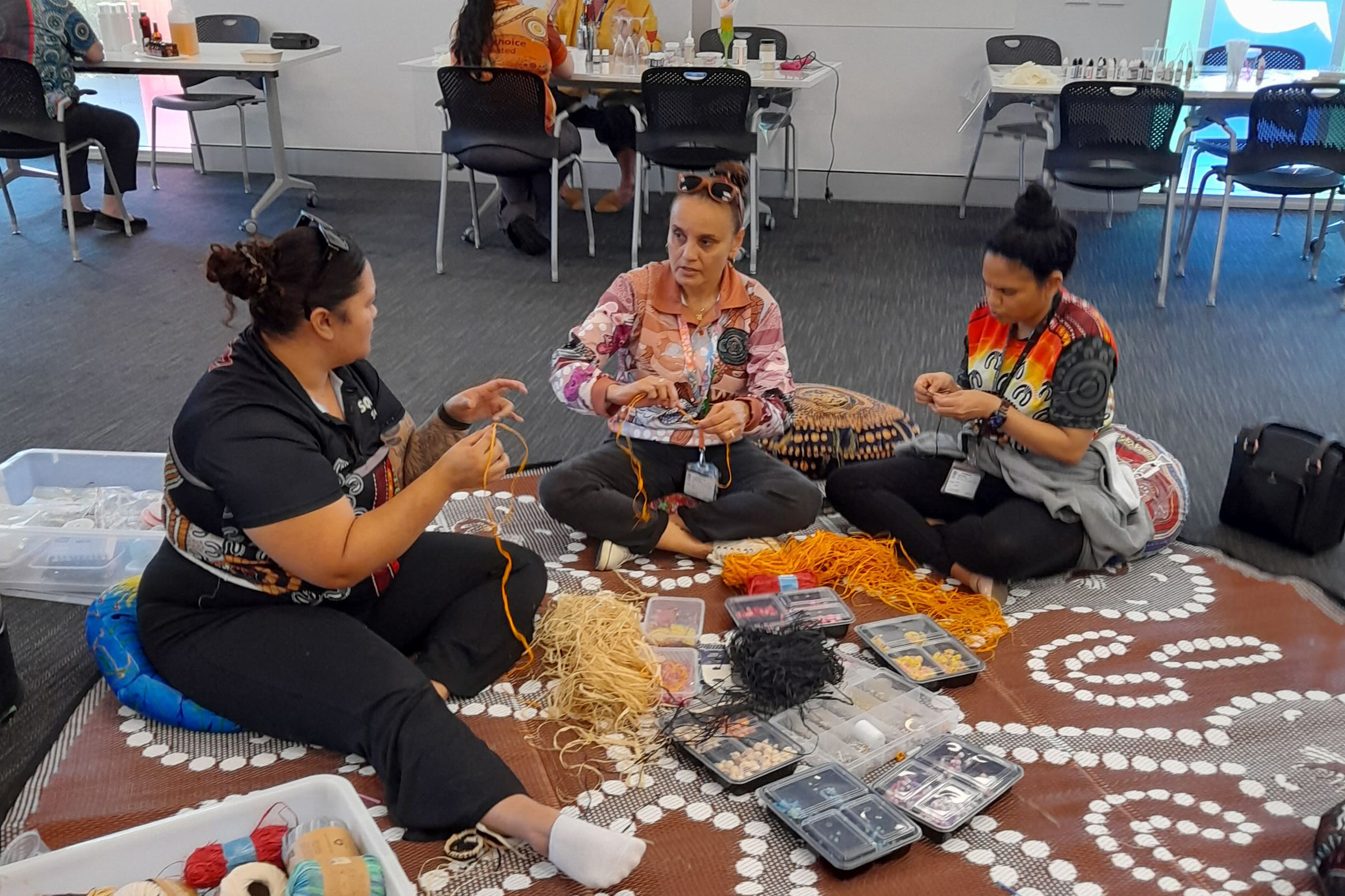
The Indigenous Health Research group has spent two years visiting Aboriginal and Torres Strait Islander communities throughout Queensland, engaging with almost 400 people to hear their stories and prioritise key health research needs identified by communities.
Yarns held with communities highlighted what impacts health outcomes including social and emotional wellbeing, social determinants of health (housing, education, employment, social capital), intergenerational trauma, grief, loss, racism and access to health services including hearing, eyes and dental care.
Community members shared that neurodevelopmental disorders in children such as autism, foetal alcohol syndrome and cerebral palsy were also making it challenging to access early interventions, particularly when living in rural or remote regions.
In early 2024, the Strong Families Study Indigenous Steering Committee made up of Aboriginal and Torres Strait Islander healthcare, research and management professionals and representatives endorsed by their communities from rural, regional and metropolitan Queensland met in Meanjin (Brisbane) to undertake a co-design process for the study.
The research project extends a pilot study run at Mater, the Indigenous Queensland Family Cohort study and will be rolled out to First Nations communities in Rockhampton, Woorabinda, Townsville, Palm Island, Cairns, Mareeba and Brisbane south and northern suburbs. It has support from the National Health and Medical Research Council.
Embedding First Nations leadership in the research
The Strong Families Study has 30 Indigenous Steering Committee members, and more than half the researchers are Indigenous.
“We also have strong collaborations with Aboriginal and Torres Strait Islander community-controlled and QLD Health services across the state,” Associate Professor Rae says.
“Our team is determined to walk hand in hand with Aboriginal and Torres Strait Islander communities to contribute to a better today, a better tomorrow and a stronger future for their families.
“We will combine the study with a range of nested interventions for parents and children, to improve outcomes for families now.”
The study will include support covering parental social and emotional wellbeing, teaching play that promotes brain development and screening babies to track neurodevelopmental outcomes.
An Aboriginal Health Worker in their community will provide additional and ongoing support to study participants, as well as access to telehealth services if needed.
Further information
First Nations families interested in participating in the Strong Families Study can email indigenoushealthresearch@mater.uq.edu.au
Publications
Massi, L, Weatherall, L, Smith, D, Fredericks, B, Toombs, M, and Rae, K M. (2024). The Indigenous Health Research Priorities Study Report for Carbal Medical Services – Darling Downs 2024. ISBN 978-1-74272-449-2. Mater Research Institute, South Brisbane, Queensland. DOI: https://doi.org/10.14264/13aacb2
Massi L, Lewis C, Stewart S, Jans D, Gautam R, Jalloub L, Bowman A, Middleton P, Vlack S, Boyle FM, Shepherd C, Flenady V, Stuart-Butler D and Rae KM (2024). Looking after bubba for all our mob: Aboriginal and Torres Strait Islander community experiences and perceptions of stillbirth. Front. Public Health 12:1385125. DOI: https://doi.org/10.3389/fpubh.2024.1385125
Rae, K M, Weatherall, L, Massi, L, Fredericks, B and Toombs, M. (2023). The Indigenous Health Research Priorities Study Report for Far North Queensland. ISBN 978-1-74272-415-7 Mater Research Institute, South Brisbane, Queensland. DOI: https://doi.org/10.14264/cf0a26b
Massi L, Weatherall L, Nielsen C, Toombs M, Fredericks B and Rae K M (2023) “It’s research, our input can grow”: identifying health research priorities with Aboriginal and Torres Strait Islander communities—study protocol. Research Involvement and Engagement 9, 59 DOI: https://doi.org/10.1186/s40900-023-00467-w