Case Studies
New Human Immune Models set to accelerate preclinical drug development
TRI-based scientists from Mater Research are developing research models that more accurately replicate the human immune system for studies into numerous diseases.
Professor Kristen Radford has been pivotal in developing the models, with the aim of better understanding human cell biology and evaluating new human immunotherapies, including for melanoma and ovarian cancer.
The models are core to the new TRI Human Immune Model Facility (HIMF), the first facility of its kind in Australia, accelerating the speed and accuracy of preclinical drug development and enhancing research quality and impact.
HIMF has great potential to enhance research in oncology, hematology, immunology, autoimmunity, infectious diseases and inflammation.
Key points
- TRI-based Professor Kristen Radford from Mater Research is leading development of new preclinical research models that more accurately replicate the human immune system.
- The research models will aid in better understanding of human cell biology and evaluating immunotherapies.
- They will underpin research for conditions including cancer, type 1 diabetes and Alzheimer’s disease.
- The models are core to the new TRI Human Immune Model Facility, the first facility of its kind in Australia, accelerating the speed and accuracy of preclinical drug development.
Dendritic cell involvement in fighting cancer
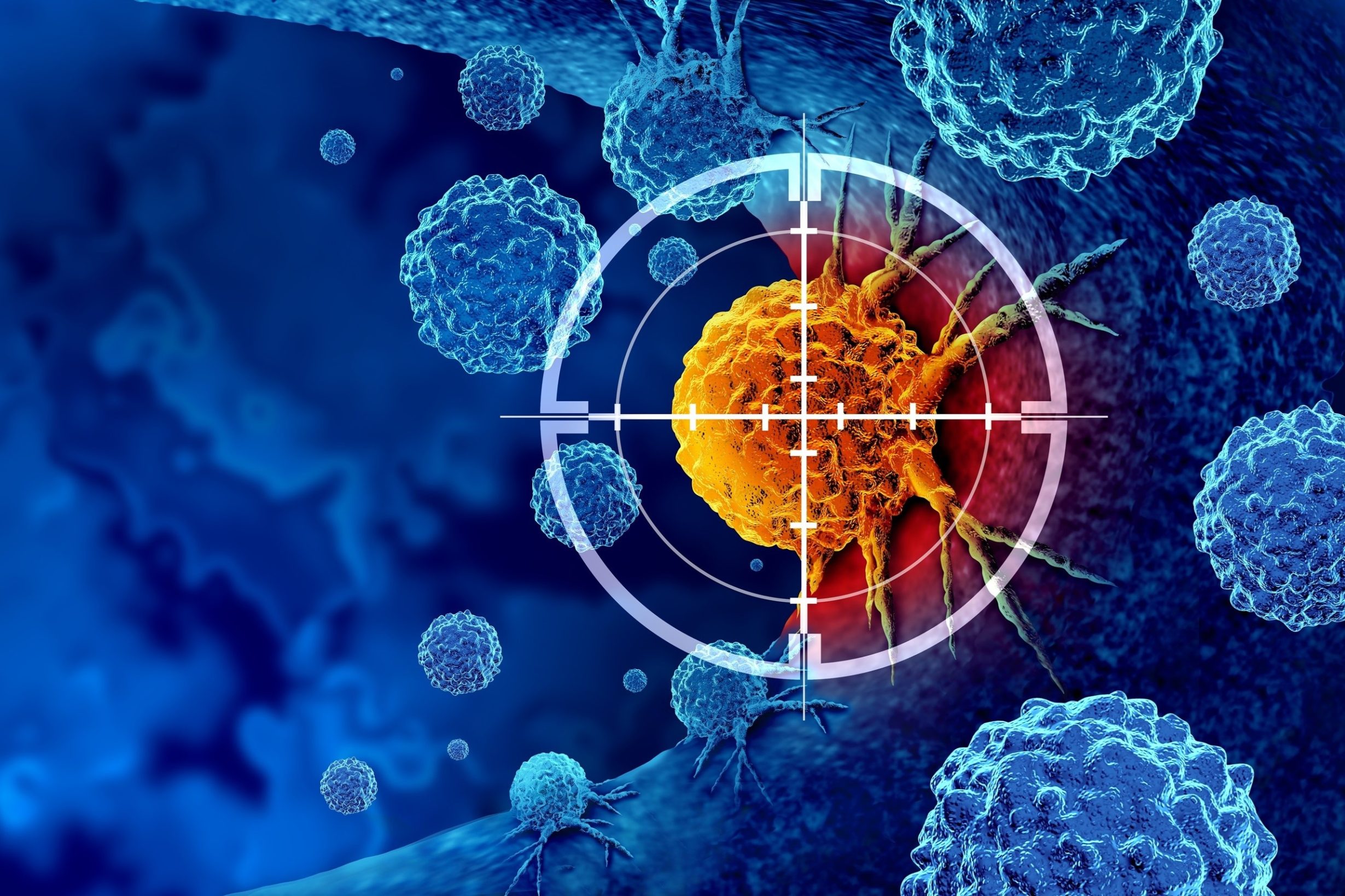
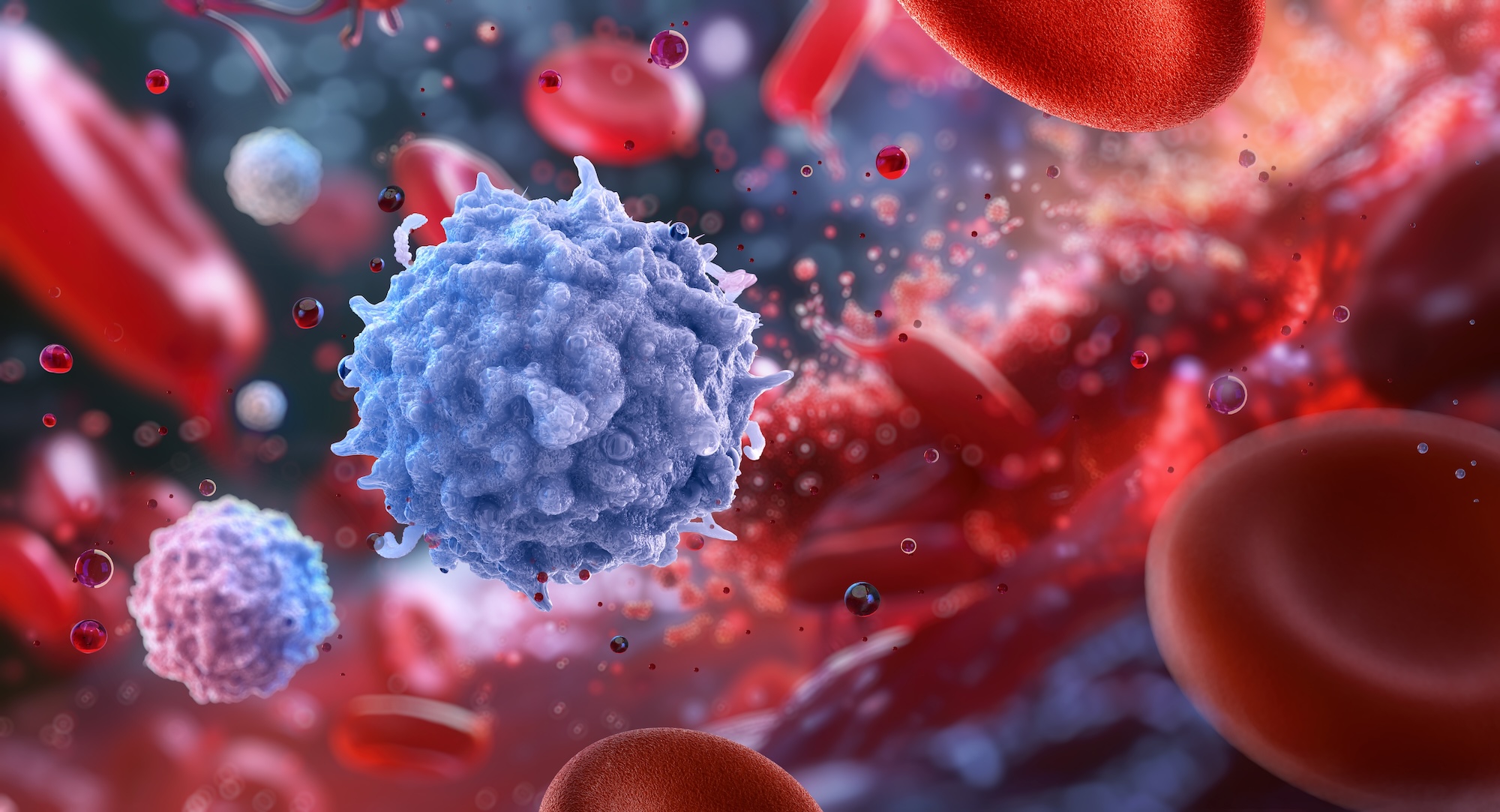
Dendritic cells are part of the immune system and are found in the skin, blood and the inner lining of the nose, lungs, stomach and intestines. They are not usually abundant at tumour sites, but an increased density of dendritic cells at the sites has been linked to better treatment outcomes for patients.
There is evidence that some dendritic cells can trigger T-cell activity to suppress tumour growth and aid in controlling cancer progression. In research models, dendritic cells have also been shown to contribute to the success of cancer immunotherapies.
Improving treatment and survival rates
Professor Radford joined Mater Research to develop a dendritic cell vaccine that was translated into a first-in-man clinical trial for metastatic prostate cancer. The trial demonstrated the efficacy of a dendritic cell-based vaccine for treating prostate cancer.
Her research group also first characterised the rare human cDC1 dendritic cell subtype and identified its importance for triggering anti-tumour and anti-viral immune responses. She has been pursuing the therapeutic potential to develop vaccines that will ultimately harness human cDC1 dendritic cells in clinical trials.
A $670,000 grant from the Ovarian Cancer Research Foundation announced in March 2024 will support Professor Radford in developing a vaccine targeting dendritic cells to treat ovarian cancer.
The future of cancer treatment
Professor Radford says ovarian cancer is challenging to treat because it comprises more than 30 distinct disease types, many of which don’t respond to conventional chemotherapy and standard care protocols.
“Some of the current treatments that are available for women with ovarian cancer have not fundamentally changed in decades,” she says.
“In ovarian cancer patients the dendritic cells are somewhat dysfunctional, which might help explain why, to date, ovarian cancer hasn’t responded to immunotherapy as well as other cancers.”
The Ovarian Cancer Research Foundation grant will enable Professor Radford’s team to investigate which molecules on dendritic cells can be targeted to train the immune system to more effectively fight ovarian cancer.
“We are working on next-generation models for human immuno-oncology,” she says. “They are valuable models for understanding human dendritic cell biology and evaluating new human cancer immunotherapies.
“Immunotherapies are already game changers in the clinic for some types of cancer, but they don’t work for everyone and are often fraught with side effects. The models we are developing represent a new frontier that will facilitate the development of the next generation of more effective immunotherapies.”
Human Immune Model Facility
Professor Radford’s expertise in the field has led to the development of a preclinical research model using human stem cells, capable of generating functioning human immune cells, including dendritic cells.
The research model is core to the establishment of TRI’s new core Human Immune Model Facility, which aims to bridge a critical gap in biomedical research for Australian researchers and industry.
The facility will offer researchers and industry the most advanced, gold standard models for faithful replication of a human immune system for studying disease biology and progression, drug screening and accelerating research translation.
HIMF will benefit from TRI’s Gnotobiotic Facility, located within the TRI Biological Research Facility and capable of supporting germ-free and gnotobiotic experiments – ensuring the elimination or control of microbiota in preclinical models, which is a growing area of focus for research into numerous diseases.
The facility will contribute to significant advancements in medical research in fields such as oncology, hematology, immunology, autoimmunity, infectious diseases, and inflammation; and developing therapeutics for diseases including cancer, type 1 diabetes and Alzheimer’s disease.
Publications
Johnson P, Rosendahl N, Radford KJ. Conventional type 1 dendritic cells (cDC1) as cancer therapeutics: challenges and opportunities. Expert Opin Biol Ther. 2022 Apr;22(4):465-472. DOI: 10.1080/14712598.2022.1994943. Epub 2021 Oct 26. PMID: 34654337.
Lee YS, O’Brien LJ, Walpole CM, Pearson FE, Leal-Rojas IM, Masterman KA, Atkinson V, Barbour A, Radford KJ. Human CD141+ dendritic cells (cDC1) are impaired in patients with advanced melanoma but can be targeted to enhance anti-PD-1 in a humanized model. J Immunother Cancer. 2021 Mar;9(3):e001963. DOI: 10.1136/jitc-2020-001963. PMID: 33737342; PMCID: PMC7978242.
Lahoud MH, Radford KJ. Enhancing the immunogenicity of cancer vaccines by harnessing CLEC9A. Hum Vaccin Immother. 2022 Dec 31;18(1):1873056. DOI: 10.1080/21645515.2021.1873056. Epub 2021 Feb 24. PMID: 33625943; PMCID: PMC8920153.
Balan S, Radford KJ, Bhardwaj N. Unexplored horizons of cDC1 in immunity and tolerance. Adv Immunol. 2020;148:49-91. DOI: 10.1016/bs.ai.2020.10.002. Epub 2020 Nov 1. PMID: 33190733.
Masterman KA, Haigh OL, Tullett KM, Leal-Rojas IM, Walpole C, Pearson FE, Cebon J, Schmidt C, O’Brien L, Rosendahl N, Daraj G, Caminschi I, Gschweng EH, Hollis RP, Kohn DB, Lahoud MH, Radford KJ. Human CLEC9A antibodies deliver NY-ESO-1 antigen to CD141+ dendritic cells to activate naïve and memory NY-ESO-1-specific CD8+ T cells. J Immunother Cancer. 2020 Jul;8(2):e000691. DOI: 10.1136/jitc-2020-000691. PMID: 32737142; PMCID: PMC7394304.
Pearson FE, Tullett KM, Leal-Rojas IM, Haigh OL, Masterman KA, Walpole C, Bridgeman JS, McLaren JE, Ladell K, Miners K, Llewellyn-Lacey S, Price DA, Tunger A, Schmitz M, Miles JJ, Lahoud MH, Radford KJ. Human CLEC9A antibodies deliver Wilms’ tumor 1 (WT1) antigen to CD141+ dendritic cells to activate naïve and memory WT1-specific CD8+ T cells. Clin Transl Immunology. 2020 Jun 12;9(6):e1141. DOI: 10.1002/cti2.1141. PMID: 32547743; PMCID: PMC7292901.
Lee YS, Radford KJ. The role of dendritic cells in cancer. Int Rev Cell Mol Biol. 2019;348:123-178. DOI: 10.1016/bs.ircmb.2019.07.006. Epub 2019 Aug 1. PMID: 31810552.
Pearson FE, Chang K, Minoda Y, Rojas IML, Haigh OL, Daraj G, Tullett KM, Radford KJ. Activation of human CD141+ and CD1c+ dendritic cells in vivo with combined TLR3 and TLR7/8 ligation. Immunol Cell Biol. 2018 Apr;96(4):390-400. DOI: 10.1111/imcb.12009. Epub 2018 Feb 10. PMID: 29344995.
Minoda Y, Virshup I, Leal Rojas I, Haigh O, Wong Y, Miles JJ, Wells CA, Radford KJ. Human CD141+ Dendritic Cell and CD1c+ Dendritic Cell Undergo Concordant Early Genetic Programming after Activation in Humanized Models In Vivo. Front Immunol. 2017 Oct 30;8:1419. DOI: 10.3389/fimmu.2017.01419. PMID: 29163495; PMCID: PMC5670352.