Case Studies
Community collaboration at the core of blood subtype study
QUT researchers are collaborating with Aboriginal and Torres Strait Islander communities, using genomics and bioinformatics to better understand blood group variation and prevent complications from blood transfusions.
The aim is to ensure safe and compatible blood is used for transfusion, improving health outcomes for at-risk groups such as pregnant mothers and people with renal disease or anaemia.
Key points
- Associate Professor Shivashankar Nagaraj leads a QUT team collaborating with Aboriginal and Torres Strait Islander communities to improve health outcomes through personalised medicine.
- The team has used genomics from 245 Aboriginal Australians in South-East Queensland to predict blood group variation.
- A better understanding of blood group variants can pave the way for ensuring suitable matches are found for blood transfusions.
- Aboriginal Australians, particularly in remote regions, are up to 20 times more likely to develop end-stage renal disease requiring kidney transplantation – and that brings an increased need for blood transfusion.
Understanding blood complexities
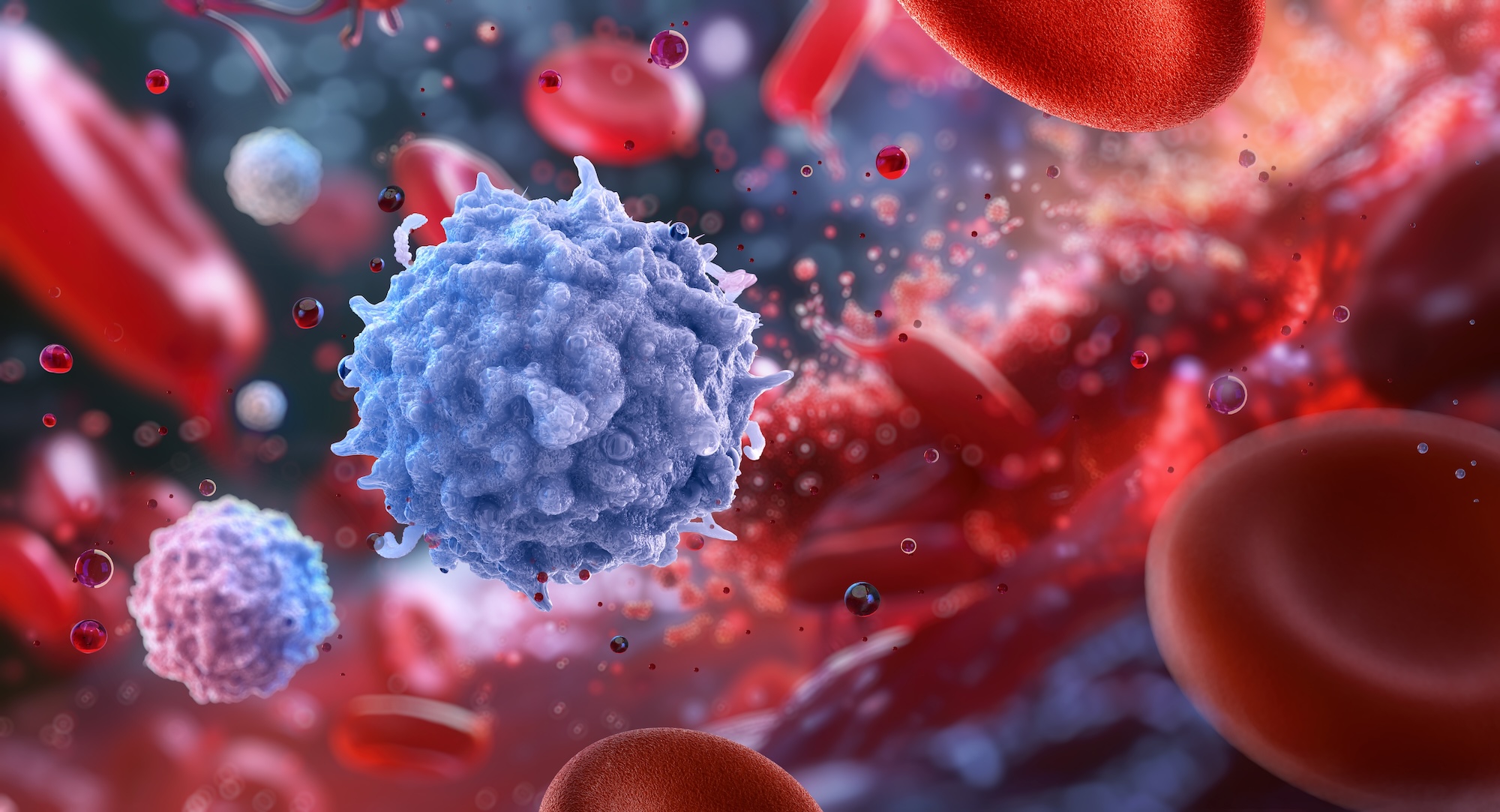
Blood is grouped into A, B, AB and O, with each being either positive or negative. Beyond that, there are more than 300 other blood group variants. Each of the variants is a molecule on the surface of red blood cells, known as an antigen.
Because about half of Australia’s population was either born overseas or has a parent born overseas, our diverse population has a corresponding diversity in blood group variants.
The variants create challenges for healthcare providers in screening blood and identifying matches for transfusion to patients, especially those with rare blood types.
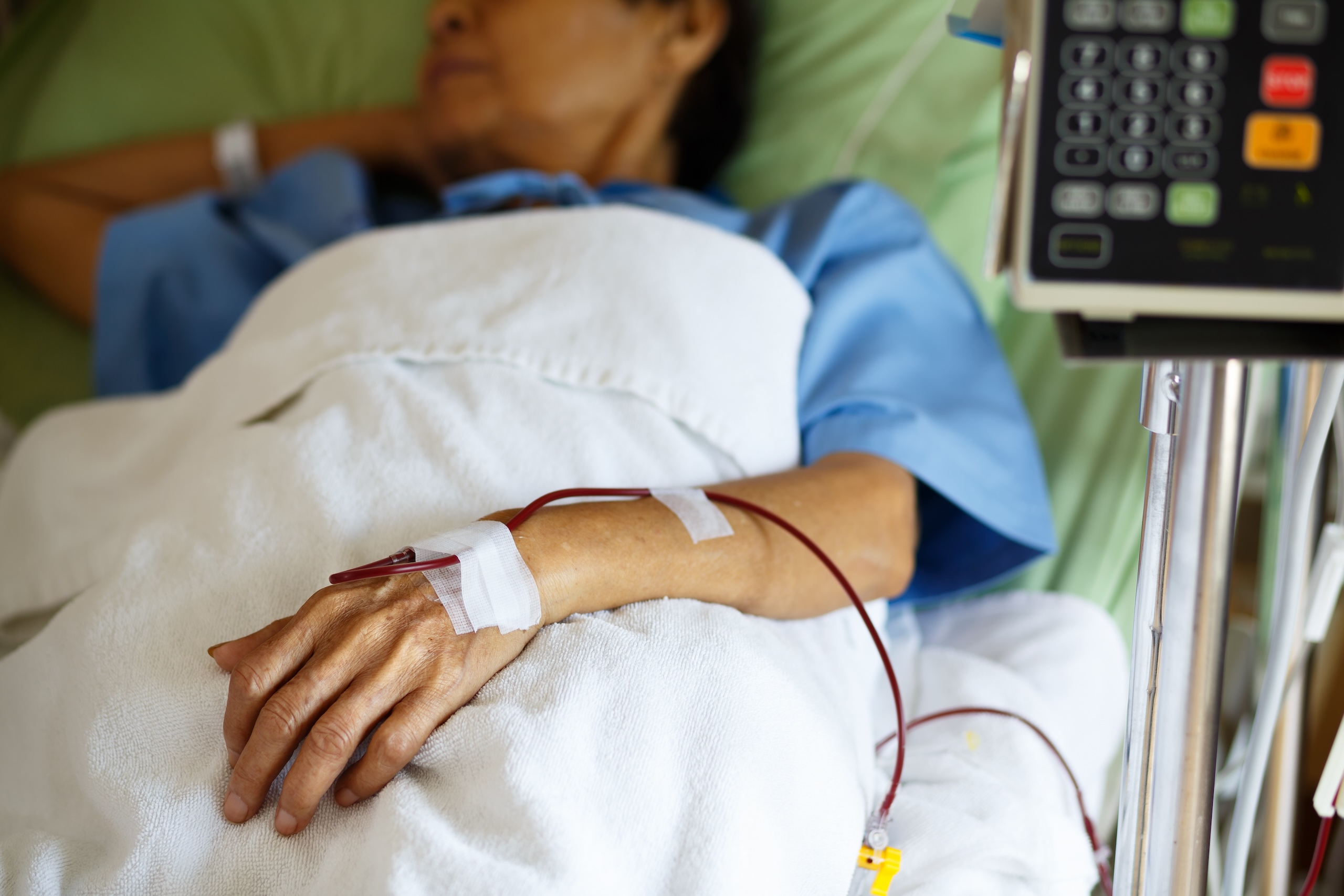
Patients receiving a transfusion of blood that doesn’t match their own type may run the risk of their immune systems identifying it as foreign and developing antibodies to destroy it.
Populations with the greatest need
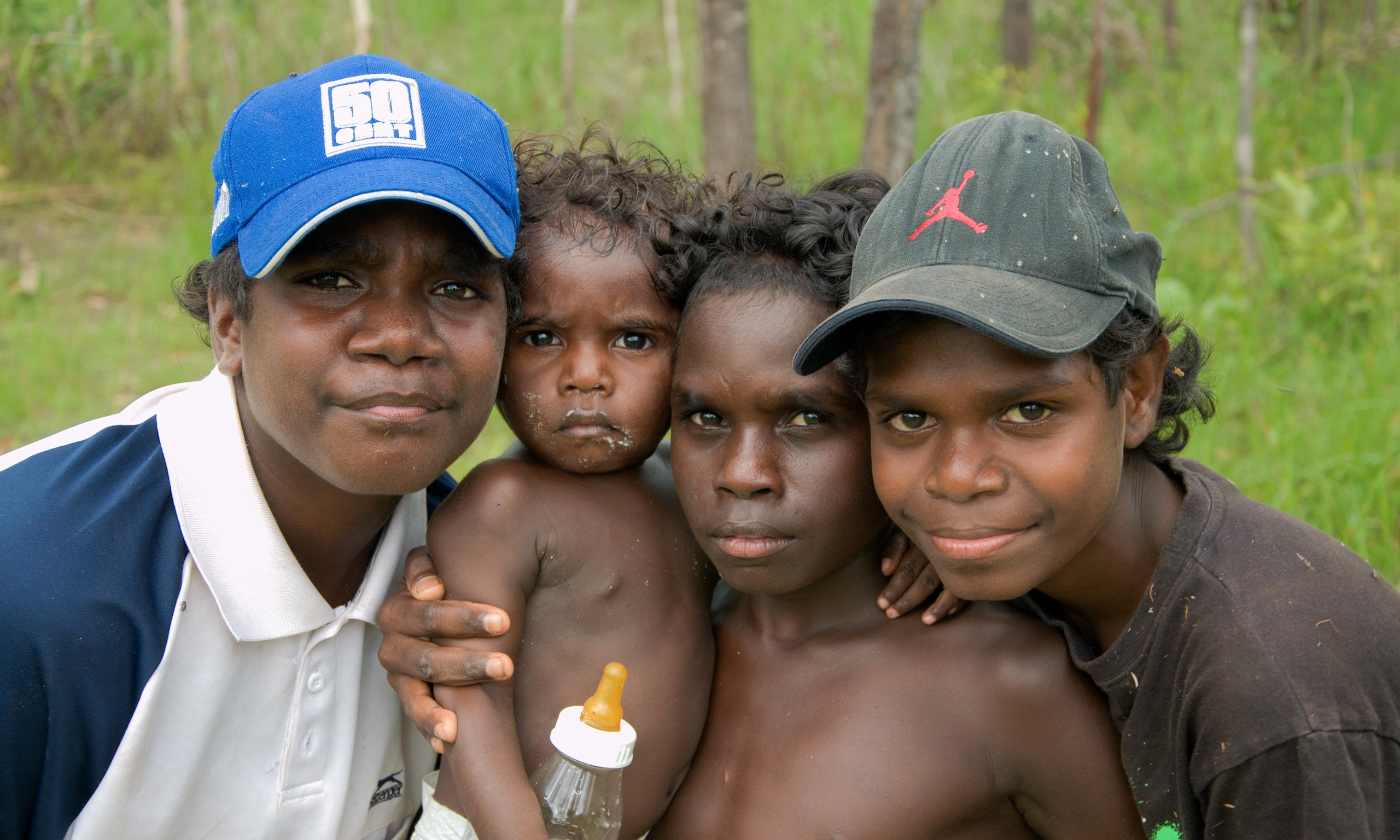
Aboriginal and Torres Strait Islander communities have a great need for transfusion because of a high incidence of renal diseases and anaemia.
Their rare blood types have traditionally been under-represented in studies and not been identified, adding to the challenge of screening to ensure suitable matches for transfusion.
“Aboriginal and Torres Strait Islander communities are up to 20 times more likely to develop end-stage renal disease requiring kidney transplantation – and that brings an increased need for transfusion,” Associate Professor Nagaraj says.
“Understanding the unique blood group profiles of Aboriginal populations is essential for informing transfusion professionals with the knowledge to provide safe transfusion support.”
Associate Professor Nagaraj’s team has used next-generation sequencing and analysis to study 245 Aboriginal Australians in South-East Queensland, to predict blood group antigens and variants.
Ensuring Aboriginal voices in research
The research has involved collaboration with community-controlled Carbal Medical Services, an Aboriginal and Torres Strait Islander healthcare provider in Toowoomba, and approval from Australian Red Cross Lifeblood.
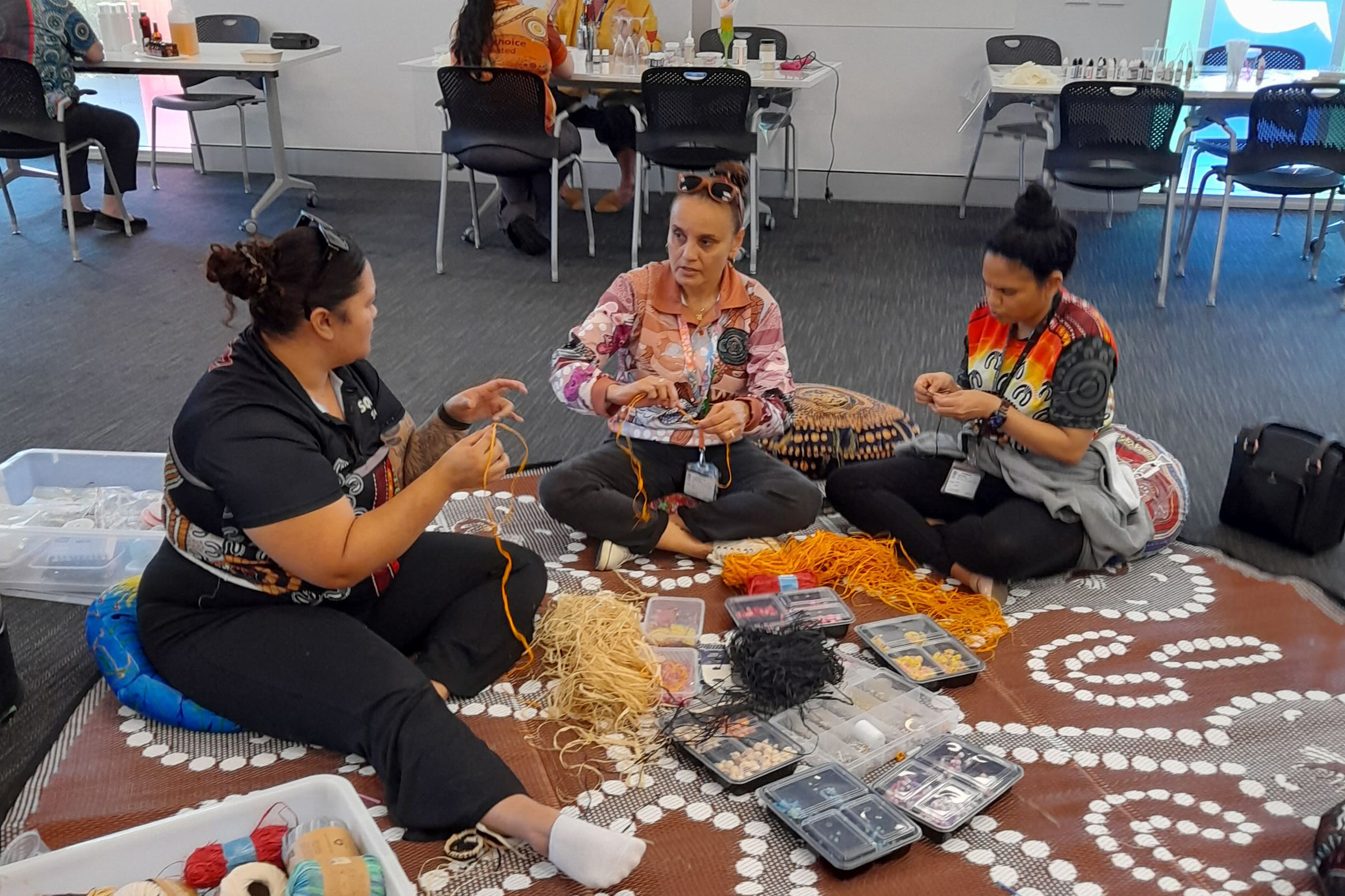
An Aboriginal Advisory Committee has also been established, consisting of researchers, stakeholders, consumers and community members and ensuring Indigenous governance and culturally safe research practices are maintained.
“Our co-designed research follows community-guided frameworks, establishing community ownership and developing a mutually respectful partnership,” Associate Professor Nagaraj says.
“We had respectful consultation and community engagement. Feedback or suggestions for improvement that emerged from the consultation process have been incorporated into the study design and protocol.”
The team collaborated with Red Cross Lifeblood to safely and respectfully sample, transport and test the blood, before conducting serological testing, nucleic acid extraction and blood group targeted sequencing.
Safe storage and respectful handling of the samples was also ensured.
Findings confirming blood variations
The research compared the blood group profiles of the South-East Queensland Aboriginal population with those from the Western Desert, Tiwi Islands, Northern Territory and other global populations.
It confirmed that rare blood group profiles from the South-East Queensland Aboriginal population are not only distinct from European populations, which make up the majority of blood donors, but also from Indigenous populations in other parts of the country.
“Blood group profiles vary between geographically diverse Australian Aboriginal peoples and more comprehensive studies are vital to improve blood supply planning and effective hospital blood inventory management.
“The research highlights the importance of study co-design with Aboriginal peoples, and that further steps forward are required to translate the findings to ensure transfusion care is delivered in a culturally safe and supported environment.
“The proper management and care of Aboriginal patients requiring blood transfusions is a delicate procedure that aims to improve their health, wellbeing and quality of life.”
Publication
Sudhir Jadhao, Candice Davison, Eileen Roulis, Simon Lee, Tamika Campbell, Reece Griffin, Maree Toombs, Alex Brown, Maree Perry, Bushra Nasir, David O Irving, Catherine A Hyland, Robert L Flower, Shivashankar H Nagaraj. Genomic characterisation of clinically significant blood group variants in Aboriginal Australians. Blood Transfus 2024; 22: 464-474. DOI: 10.2450/BloodTransfus.664