Case Studies
Innovative approach to Rheumatoid Arthritis
TRI-based researchers from The University of Queensland’s Frazer Institute are pioneering a new approach to rheumatoid arthritis, with Phase I clinical trials showing promising results.
Their antigen-specific immunotherapy works by reprogramming the immune system, addressing the root cause of rheumatoid arthritis – an approach that shows promise for other autoimmune diseases.
Key points
- TRI-based researchers working under the leadership of Professor Ranjeny Thomas from The University of Queensland are pioneering a novel liposome immunotherapy, to reprogram the overactive immune system responsible for autoimmune disorders such as rheumatoid arthritis.
- Phase I clinical trial results showed promising outcomes, with dose-related reduction in arthritis in participants who received the liposome therapy, eight weeks post-treatment.
- The research represents a crucial step forward in the quest for innovative rheumatoid arthritis treatments by treating the cause of the disease rather than just the symptoms, and has promising applications for other auto-immune diseases.
Rheumatoid arthritis (RA) affects more than 23 million people worldwide, with a prevalence that is notably higher among females. RA inflicts a significant toll on the quality of life of patients, necessitating lifelong reliance on medications. Disability and premature mortality persist due to incomplete symptom management with current medications, and adverse effects.
Retraining the immune system
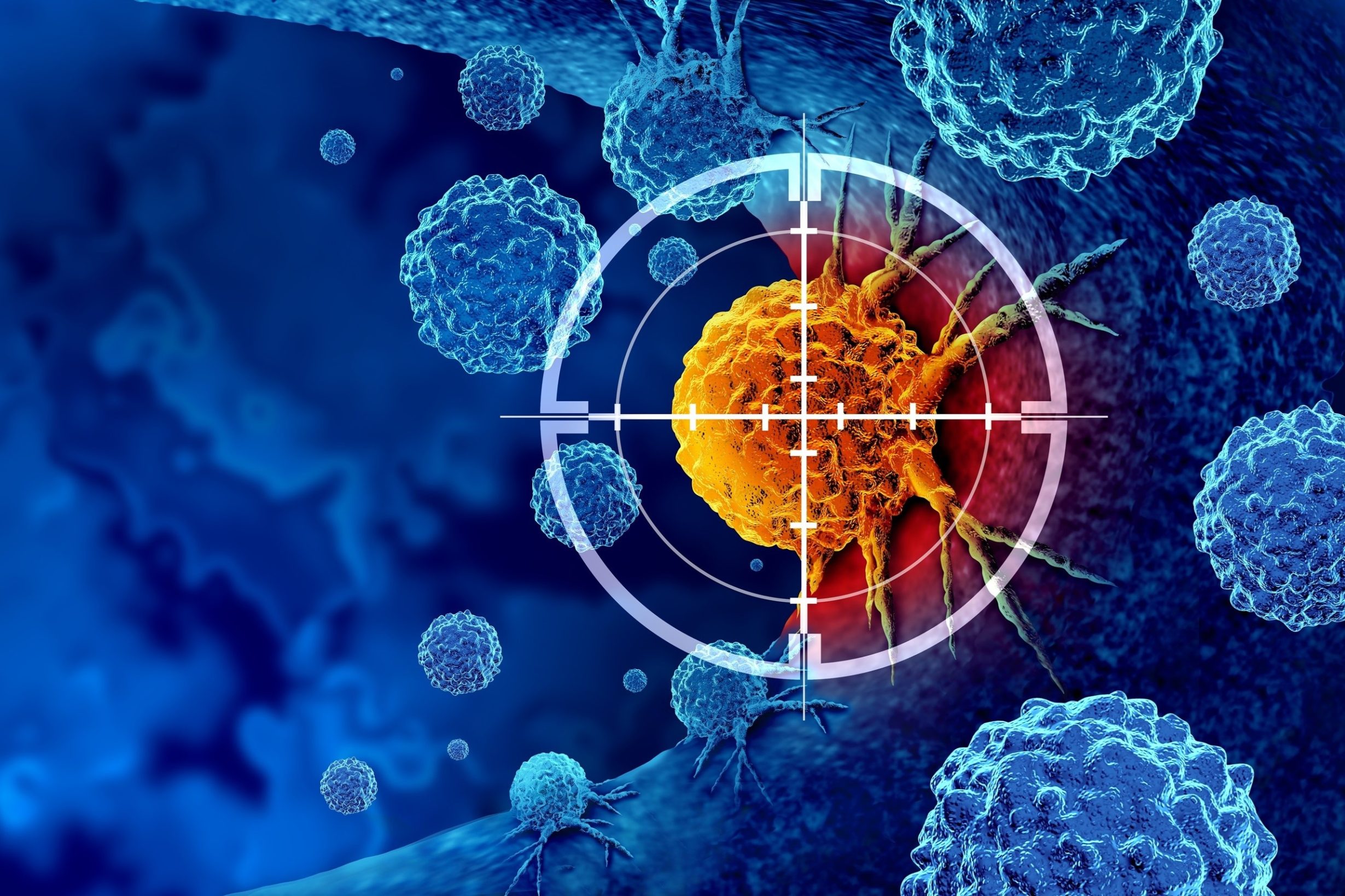
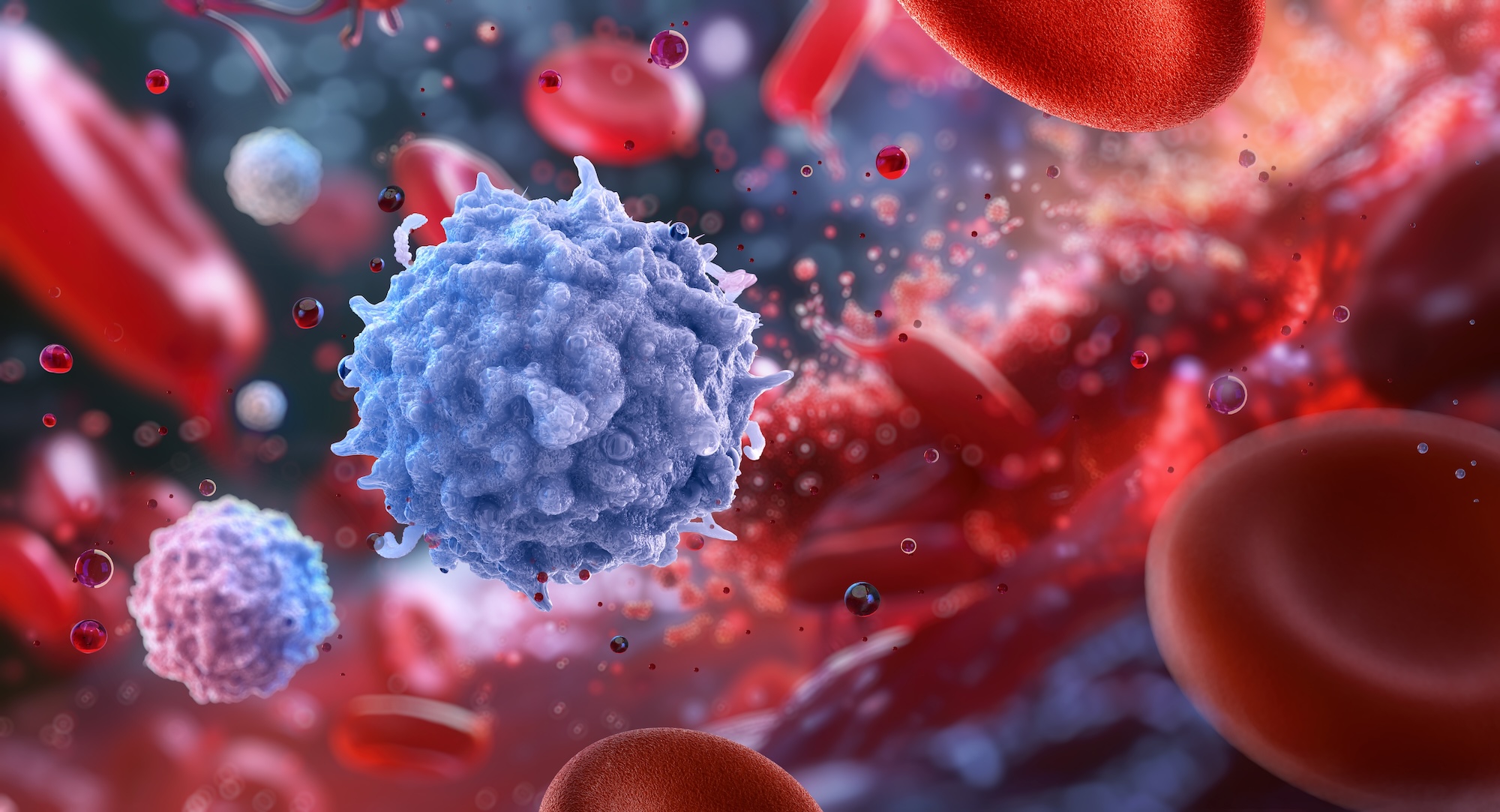
Professor Ranjeny Thomas and her team have developed a novel nanoparticle antigen-specific immunotherapy that aims to retrain overactive immune systems, the root cause of autoimmune disorders such as rheumatoid arthritis.
By specifically targeting dendritic cells in the lymph nodes, the therapy aims to suppress lymphocytes that mistakenly attack the body’s own tissues, leading to reduced inflammation and preventing disease progression.
Phase I clinical trial results: the first trial of its kind in the world
A Phase I clinical trial run at TRI’s Clinical Research Facility at the Princess Alexandra Hospital has assessed the safety and efficacy of liposome immunotherapy in 17 patients.
Participants received a single injection of one of three different doses of the immunotherapy treatment or a placebo.
Encouragingly, the immunotherapy was safe and regulatory markers increased on immune cells in the blood and disease-specific antibodies were modified in participants receiving liposomes.
The results of the clinical trial represent a significant milestone in the quest for new treatments, and the research team are further exploring the potential of this approach for other autoimmune diseases such as type 1 diabetes.
By leveraging liposome technology, they aim to develop personalised and targeted therapies that offer superior efficacy and long-term disease management compared to conventional treatments.
Professor Thomas said she was optimistic that the trial would lead to further studies exploring the treatment for rheumatoid arthritis and other autoimmune conditions.
“While a product for rheumatoid arthritis is still years away, this trial of antigen-specific immunotherapy represents a crucial step forward,” Professor Thomas says.
“It opens the door to exciting possibilities for long-term disease control, and prevention in individuals at risk.”
Industry collaborations and commercialisation
Collaborations with industry partners have been instrumental in advancing the development and clinical translation of the therapy.
A partnership with pharmaceutical giant Janssen facilitated the development of the immunotherapy treatment in liposome format, paving the way for human trials conducted between 2017 and 2019.
The application of this antigen-specific immunotherapy technology as a treatment for rheumatoid arthritis and certain other autoimmune diseases is available for partnering or investment from UniQuest.
Publication
Amee Sonigra, Hendrik J Nel, Pascale Wehr, Nishta Ramnoruth, Swati Patel, Karin A van Schie, Maxwell W Bladen, Ahmed M Mehdi, Joanne Tesiram, Meghna Talekar, Jamie Rossjohn, Hugh H Reid, Frederik E Stuurman, Helen Roberts, Phillip Vecchio, Ian Gourley, Mark Rigby, Stephane Becart, Rene EM Toes, Hans Ulrich Scherer, Kim-Anh Lê Cao, Kim Campbell, Ranjeny Thomas (2022). Randomised Phase I trial of antigen-specific tolerizing immunotherapy with peptide/calcitriol liposomes in ACPA+ rheumatoid arthritis. JCI Insight. DOI: 10.1172/jci.insight.160964