Case Studies
Immunotherapy hope for children with Type 1 diabetes
TRI-based researchers from The University of Queensland’s Frazer Institute are developing a new immunotherapy for adults and children with type 1 diabetes, using the body’s own immune system to treat the disease.
The therapy is based on a similar world-first approach developed by the same team for patients with rheumatoid arthritis, another common autoimmune disease within the community.
Key points
- Professor Ranjeny Thomas from The University of Queensland leads TRI-based researchers working on a new immunotherapy for type 1 diabetes.
- Pre-clinical studies showed promising results, demonstrating the therapy’s ability to modulate the immune response and preserve pancreatic function, which is damaged from the disease.
- An estimated 120,000 Australians are affected by type 1 diabetes, with the majority being children.
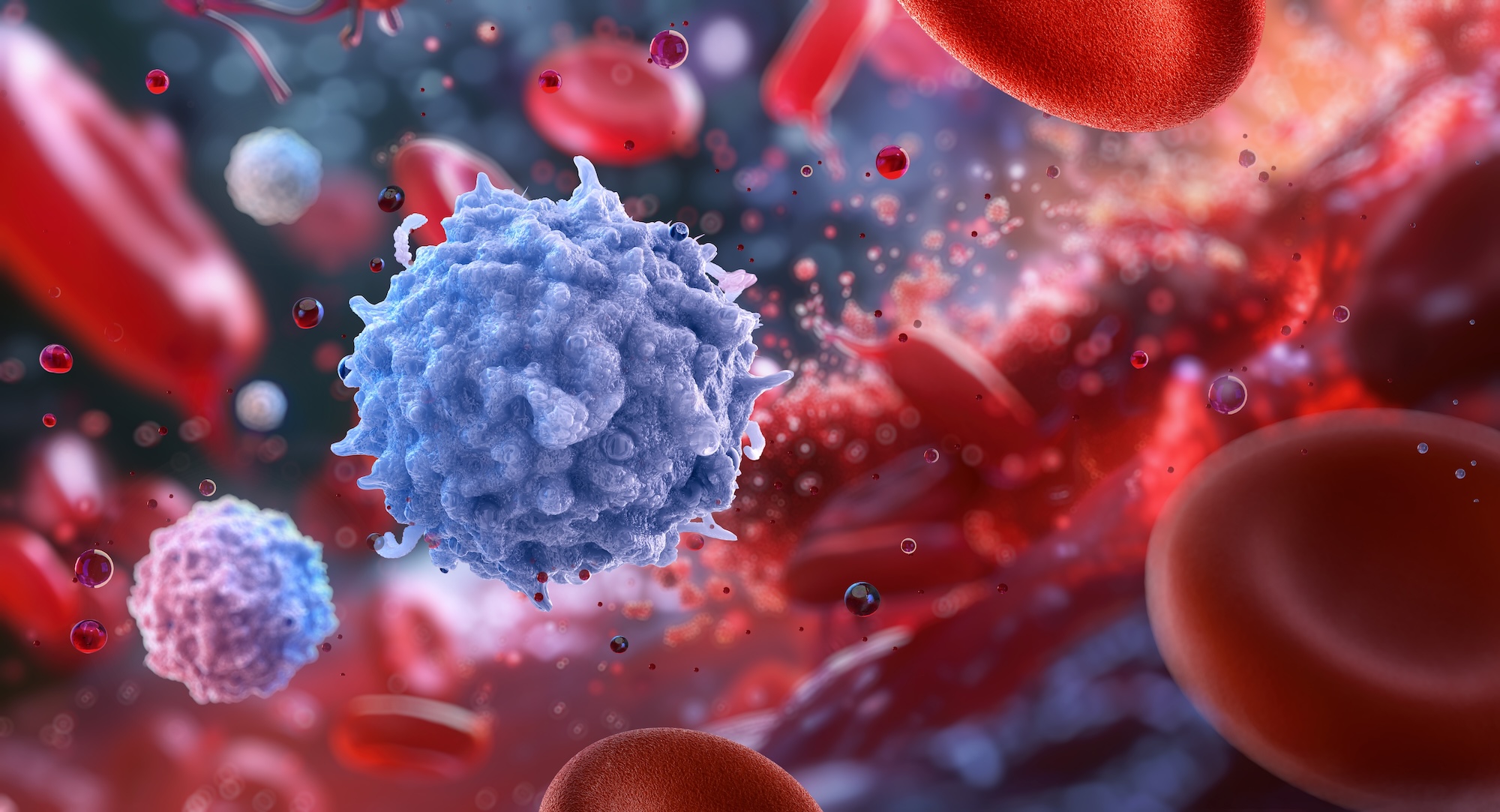
Type 1 diabetes is characterised by the body’s immune system attacking and destroying insulin-producing cells in the pancreas, leading to a lifelong dependency on insulin injections for blood sugar regulation.
It is the most common form of diabetes in children, and there is no cure currently available beyond insulin therapy. However, with an estimated 120,000 Australians affected by type 1 diabetes (mostly children) the need for new treatment options is more pressing than ever.
Harnessing the body’s own healing potential
The key to this new groundbreaking therapy lies in a unique formulation comprising of a specialised lipid nanoparticles encapsulating a pancreatic protein known to trigger immune responses, alongside an immunomodulatory drug to dampen the immune system’s aggressive attack.
This helps to turn off the harmful immune response that targets the insulin-producing cells in the pancreas, which can prevent or slow the development of type 1 diabetes.
Pre-clinical trials showed promising results, demonstrating the therapy’s ability to effectively modulate the immune response and preserve pancreatic function.
The research team is now poised to advance their findings to human clinical trials.
“People with type 1 diabetes face a daily struggle as their immune system relentlessly targets and damages the very cells responsible for producing insulin,” Professor Ranjeny Thomas said.
“Our immunotherapy approach seeks to address this underlying immune dysfunction by harnessing the body’s own healing potential, which is a completely different approach to insulin treatment.”
To develop the immunotherapy, the research team received US $1.2 million (approximately AU $1.58 million) from The Leona M. and Harry B. Helmsley Charitable Trust, which is administered by Juvenile Diabetes Research Fund Australia.
The research not only holds promise for patients with autoimmune disorders but also sheds light on the underlying mechanisms of immune dysregulation. It is just one of several immunology projects underway by Professor Thomas and her team.
Read more about Professor Thomas and team’s work developing a new treatment for rheumatoid arthritis.
Publication
Anne-Sophie Bergot, Irina Buckle, Sumana Cikaluru, Jennifer Loaiza Naranjo, Casey Maree Wright, Guoliang Zheng, Meghna Talekar, Emma E. Hamilton-Williams, Ranjeny Thomas; Regulatory T Cells Induced by Single-Peptide Liposome Immunotherapy Suppress Islet-Specific T Cell Responses to Multiple Antigens and Protect from Autoimmune Diabetes. J Immunol 1 April 2020; 204 (7): 1787–1797. DOI: doi.org/10.4049/jimmunol.1901128